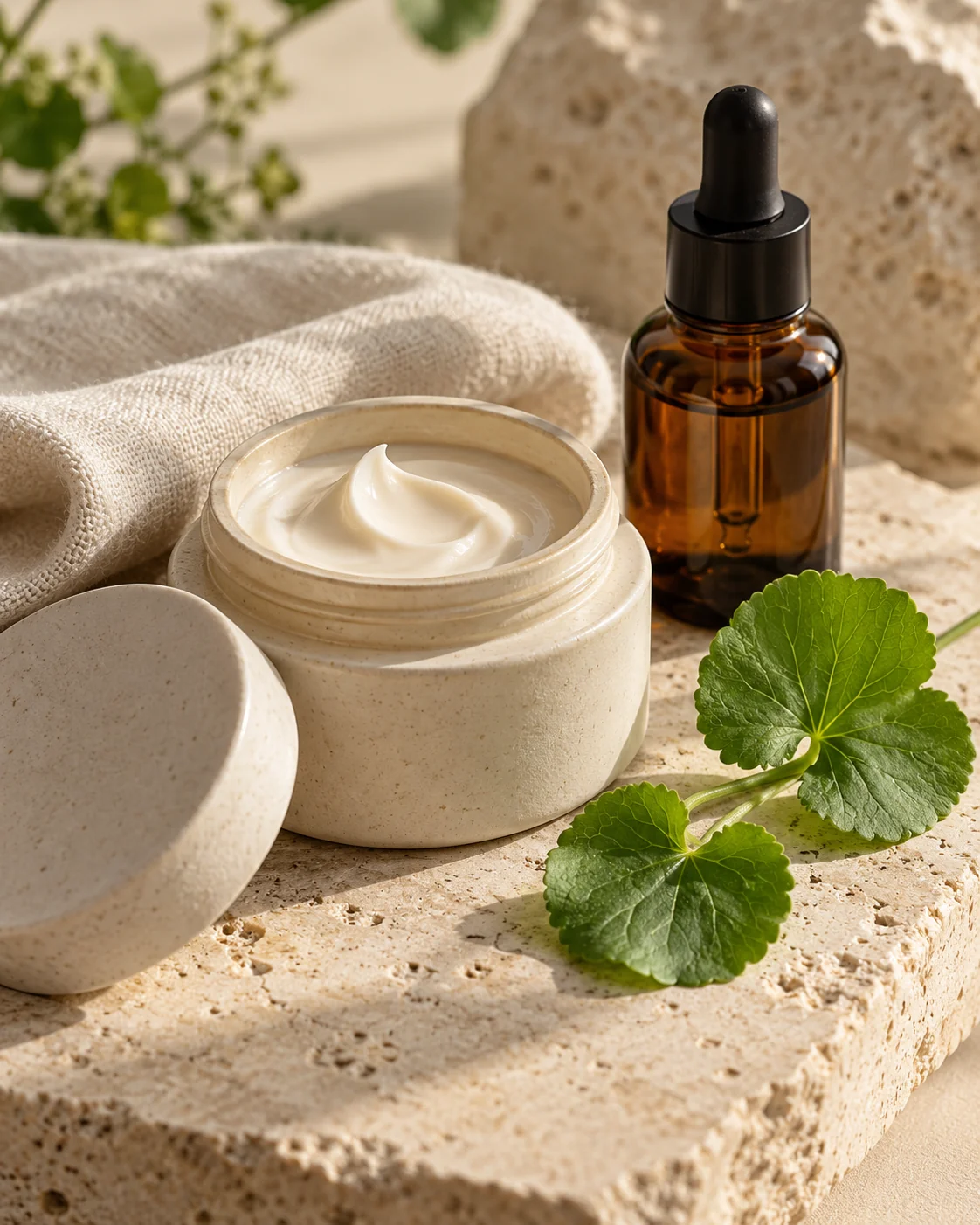
Tea tree oil has a crisp, medicinal scent that makes a product feel purposeful. Distilled from Melaleuca alternifolia, it is a concentrated essential oil, so a little bottle deserves more care than its size suggests. Its most interesting skin-care evidence concerns a limited set of topical uses.
Where it may help
Small studies suggest formulated tea tree products may improve mild acne or athlete's foot. The research is not strong enough for sweeping promises, and results depend on the condition and preparation. Evidence for nail fungus and other uses is less convincing. A laboratory antimicrobial result does not mean tea tree safely treats an infection anywhere in the body.
The encouraging results make a specific, well-formulated product more interesting than an all-purpose bottle. Match the product to the external use it was designed for, and pay attention to comfort. Applying a concentrated oil can create irritation that looks like a worsening skin problem.
Choose the finished formula
A product designed for a specific external use, with a stated concentration and clear directions, is easier to evaluate than improvising drops from a pure essential-oil bottle. Try it on a small area first, keep the rest of the routine simple, and stop for redness, itching, blistering, or burning. More tingling does not mean more benefit.
Keep tea tree oil away from eyes, mouth, and other sensitive areas. Never swallow it: ingestion can cause serious poisoning. Store it securely away from children. A plant origin does not make an essential oil interchangeable with an edible herb, and mixing it into water does not reliably dilute it because oil and water separate.
Give the product one job
If you are trying a tea tree formula for a small area of mild acne, keep the rest of the routine familiar. Read how the product is intended to be applied, how often, and where it should be avoided. A rinse-off cleanser and a leave-on gel are not interchangeable, even when the same botanical appears on the front.
Keep the comparison simple
Note the starting condition and take a photograph in consistent light if that helps. Then pay attention to comfort as well as appearance. If the skin becomes more red or irritated, do not interpret that as a required stage on the way to improvement. A product that is difficult to tolerate is not earning its place in the routine.
Resist adding several new spot products at once. When everything changes together, you lose the ability to tell what helped or what caused a reaction. A small, clear experiment is more informative than a crowded shelf.
The bottle deserves a home
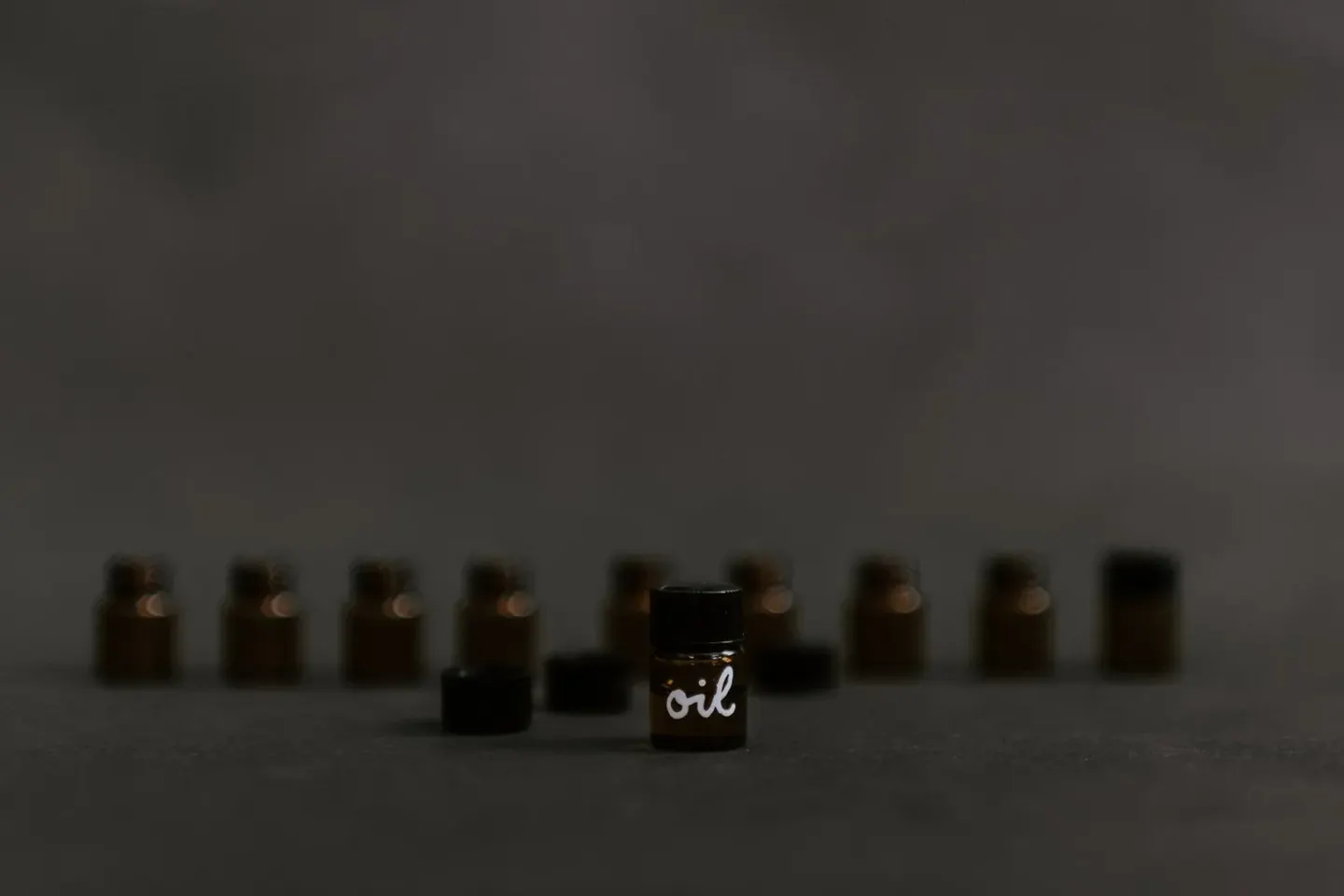
Keep essential oils in their original, clearly labeled containers and follow storage instructions. Put them somewhere a child cannot reach, away from foods and drinks, so nobody mistakes the contents for something edible. A beautiful bottle still needs an unmistakable label.
Finally, separate skin care from household uses. A product intended for surfaces is not a skin preparation, and a product sold for a cosmetic purpose has not thereby been shown to treat every infection. Specificity is the useful quality here: the right formula, for the right external use, with a clear idea of when to stop.
When to seek more care
Painful or spreading redness, fever, an abscess, or a wound that is getting worse needs assessment. Persistent or scarring acne also deserves a more individualized plan. If tea tree oil is swallowed, contact a poison service immediately. Used with a clear purpose and realistic expectations, botanical skin care can be both appealing and discerning.
References & further reading
- NCCIH: Tea Tree Oil · Public health evidence summary
- Efficacy and safety of Melaleuca alternifolia oil for human health (2023) · Systematic review of randomized trials
For education and reflection. Individual needs vary. For persistent symptoms or personal guidance, seek additional care from a qualified clinician or appropriate specialist.