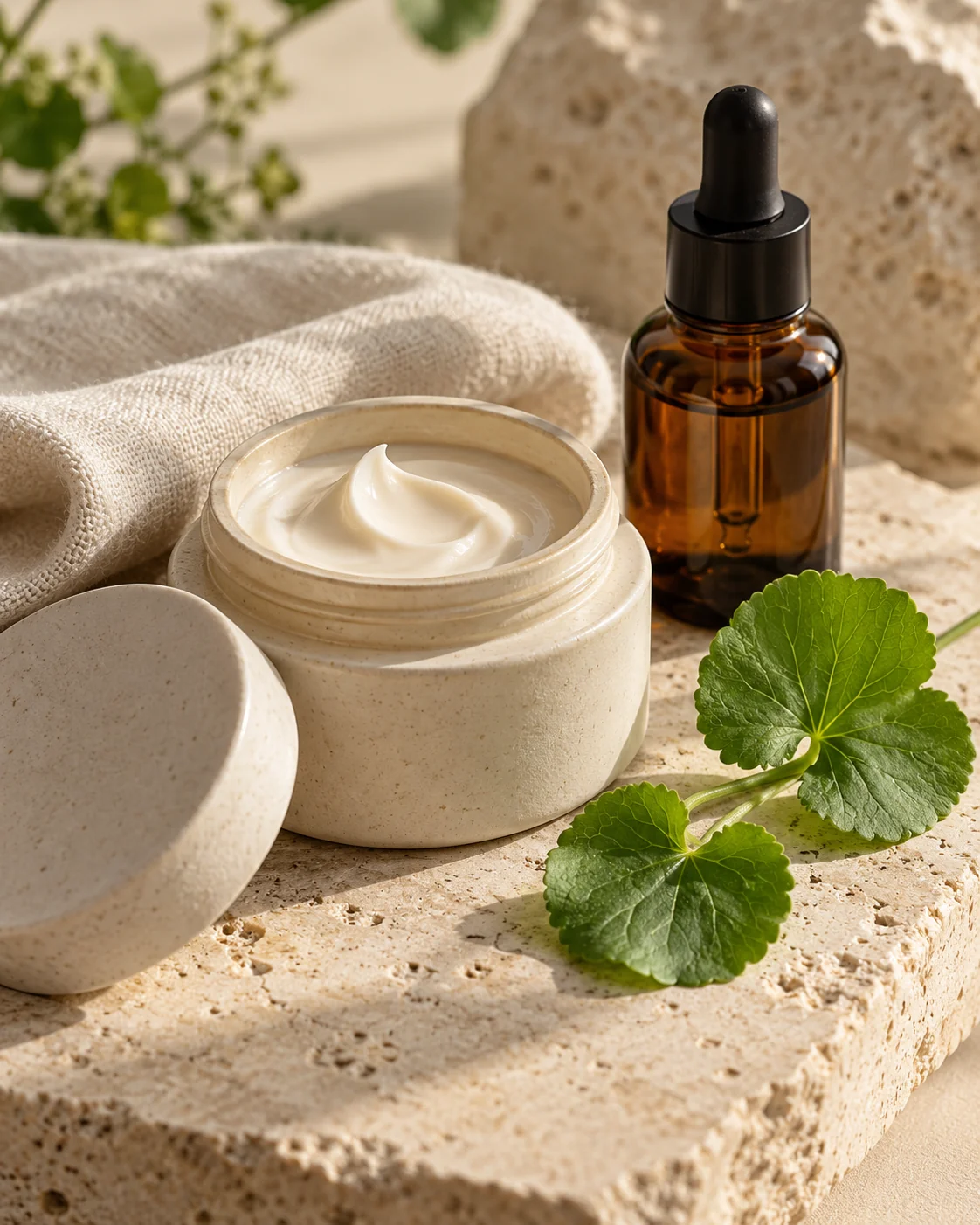
A charcoal mask has an appealing visual drama: inky black, satisfyingly smooth, and ready for a quiet ten minutes at home. The useful question is what the finished product does for your skin. A clean feeling is welcome; claims of drawing toxins from deep inside the body are a different story.
What activated charcoal actually does
Activation creates a porous material that can bind certain substances to its surface—a process called adsorption. In carefully selected poisoning situations, medical teams may use it inside the digestive tract. That clinical use does not establish a daily detox benefit from charcoal drinks or a skin-purifying effect from a mask.
Charcoal cannot be expected to pull unspecified toxins out through facial pores. A mask may remove some surface oil or leave skin feeling smoother, but those effects also depend on its clays, cleansers, moisturizers, and the rest of the formulation.
Choose a comfortable clean
For a charcoal cosmetic, look for a product with a complete ingredient list and clear directions. Keep the contact time within those directions, rinse gently, and follow with a moisturizer if needed. Skip a product that burns or leaves your skin tight and raw.
Mixing charcoal powder with a few drops of essential oil does not provide a suitable base or a controlled dilution. Loose powder can also irritate eyes or be inhaled. A finished, well-formulated mask is a more predictable choice than mixing concentrated fragrance oils into powder at home.
Decide whether your skin wants a mask at all
Start with how the skin feels today. If it is already tight, flaky, or irritated, an oil-removing mask may be a poor match for the moment. If you enjoy a mask on a small oilier area, there is no requirement to cover the whole face. Follow the product’s directions and keep it away from the eyes and lips.
A more comfortable mask night
- Cleanse gently and pat the skin dry.
- Apply the product in the amount and areas directed.
- Set a timer so a pleasant pause does not become an unnecessarily long exposure.
- Rinse without abrasive scrubbing and use a familiar moisturizer if that is part of your routine.
You do not need to wait for a mask to crack or pull painfully to know it has been on long enough. Nor does visible residue on a cloth tell you that toxins have left the body. The practical question is whether your skin feels comfortably clean afterward and remains comfortable the following day.
Give the bathroom shelf an edit
Check whether several products in the same evening are doing a similar job. A scrub, an exfoliating toner, and a drying mask may be more than your skin wants together. Keep one new element separate while you decide whether you like it. A shorter routine also makes it easier to notice which product is responsible if irritation appears.
Keep it outside the body
Do not take charcoal as a routine cleanse: it can interfere with medicines and cause gastrointestinal problems. If poisoning is suspected, get immediate poison-center or emergency advice rather than treating yourself with charcoal. Barbecue charcoal is never a substitute.
A gentle cleanser and a comfortable skin barrier are already doing a great deal. Let a mask be an optional beauty moment, with results judged by how your skin feels afterward.
References & further reading
- Activated charcoal: An effective treatment for poisonings — Poison Control · poison-center clinical safety guidance
- Microbiological Safety and Cosmetics — FDA · regulatory safety guidance
- Aromatherapy — FDA · regulatory safety guidance
For education and reflection. Individual needs vary. For persistent symptoms or personal guidance, seek additional care from a qualified clinician or appropriate specialist.