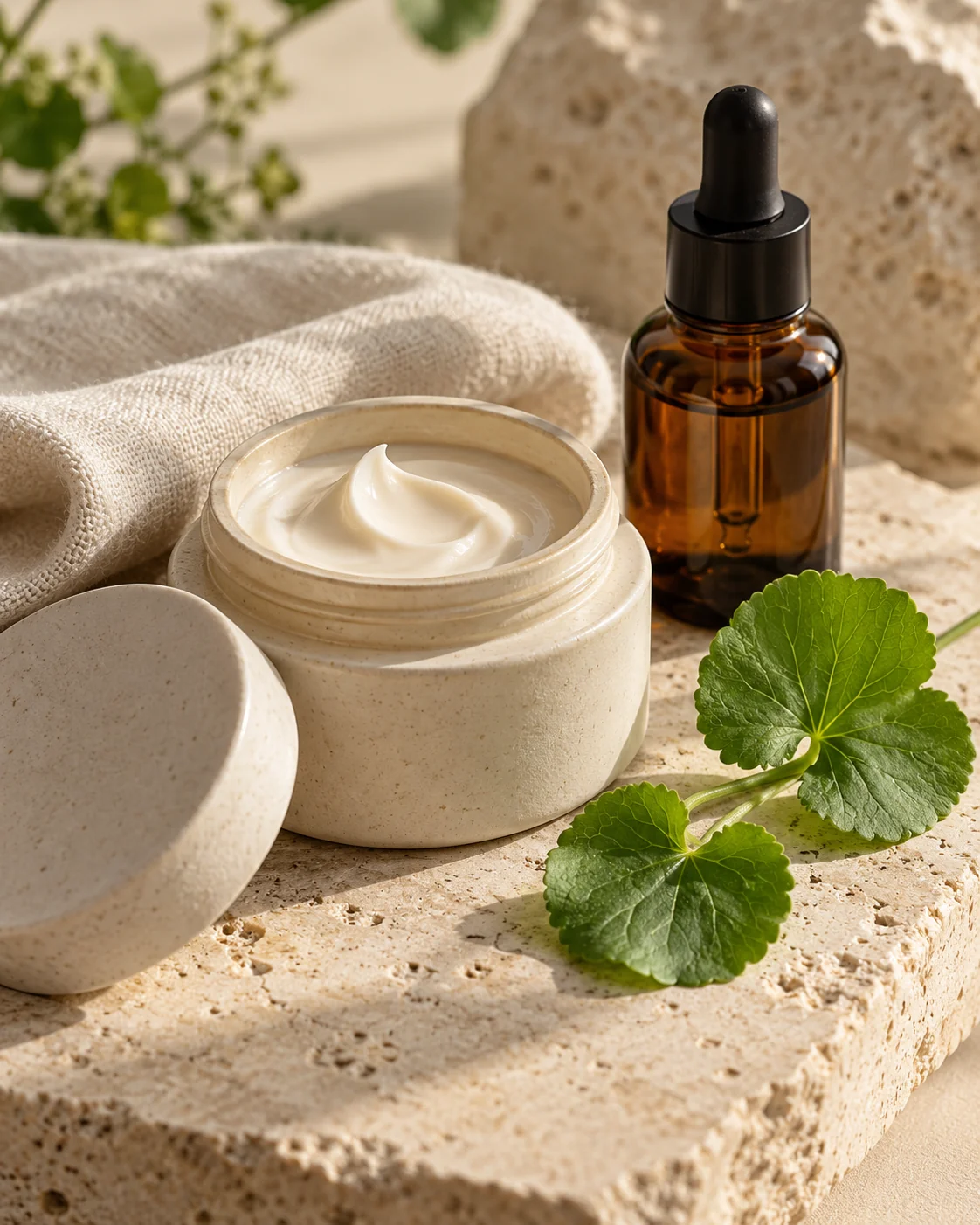
There is an appealing informality to a kitchen beauty ritual: a ripe avocado, a small bowl, a few quiet minutes. The texture can feel indulgent without an elaborate shelf of products. The useful rule is to keep the mixture simple and the expectations modest.
Food nutrients do not automatically behave on skin as they do in a meal. A mashed fruit mask has not been shown to deliver the effects of a tested vitamin C or retinoid formulation. Its acidity, enzyme activity, and stability are also less predictable.
Avocado and honey
Mash a small piece of ripe avocado with a little honey until smooth. For a larger batch, the proportion is one avocado to one tablespoon of honey; making less avoids waste. If you tolerate both ingredients, test a small area of intact skin before trying a thin facial layer. Keep away from the eyes, rinse after a few minutes, and stop sooner if anything stings or itches.
Banana, kept simple
Mash a little ripe banana into a smooth paste. A plain, brief rinse-off version keeps the texture soft and the ingredient list easy to assess, particularly if you are prone to clogged pores. Follow with a moisturizer you already know suits you.
Leave these ingredients on the plate
Kiwi and papaya can provoke irritation or allergy, especially in people with relevant fruit or latex sensitivities. Lemon juice is an unreliable facial brightener and can be irritating. Keep those colorful ingredients for a fruit bowl or a salad instead.
Set up a ritual that is easy to stop
Clear a small space beside the sink and have lukewarm water and a soft cloth ready. Tie back your hair, use a clean bowl, and prepare only the amount you need. Keep the rest of the routine familiar so you can tell whether the new mixture agrees with you.
Know the ingredients first
A food you already avoid because of allergy is not a good candidate for a skin experiment. Likewise, a mixture with many ingredients makes it harder to identify what caused a reaction. Keep the first attempt simple and limited to a small area of intact skin.
Make smoothness the point
Mash thoroughly and leave out seeds, peel fragments, nuts, and other gritty additions. A mask does not need to double as a scrub. Apply gently rather than rubbing it in, and do not keep it on to reach an arbitrary time if the sensation becomes uncomfortable.
End with the familiar
Rinse completely, pat dry, and apply a moisturizer you already tolerate. There is no need to “seal in” a layer of food residue. Keep the face free of further experiments that evening and notice how it feels the next day.
If your skin tends to react easily, you can retain the spa atmosphere while skipping the edible ingredients. Use a clean soft cloth, a familiar cleanser, and a comfortable moisturizer. Add a quiet room or a few minutes of music if that makes the pause more enjoyable. The sensory setting can be the luxurious part of the experience.
Use clean hands and utensils, prepare only what you need, and discard leftovers. A refrigerator does not turn a food mixture into a preserved cosmetic. Avoid kitchen masks on broken skin or during an eczema, rosacea, or dermatitis flare.
If a homemade ritual repeatedly leaves your skin red or uncomfortable, let it go. A warm washcloth, a familiar moisturizer, and a quiet moment can be just as satisfying.
References & further reading
- FDA — Small Businesses and Homemade Cosmetics: Fact Sheet (2025) · government safety guidance
- FDA — Allergens in Cosmetics (2026) · government safety guidance
- FDA — Aromatherapy (2023) · government safety guidance
For education and reflection. Individual needs vary. For persistent symptoms or personal guidance, seek additional care from a qualified clinician or appropriate specialist.