
Michele’s original diary, in her own words. Additional context follows the story ↓

HERBAN COUNTRY
Crete is one of the most interesting eco-systems in Europe, rich with indigenous plants.
What’s the most inspiring part of living in a small Greek village?
Watching the elders work in their gardens each morning and seeing them forage for herbs to prepare their daily cuisine.
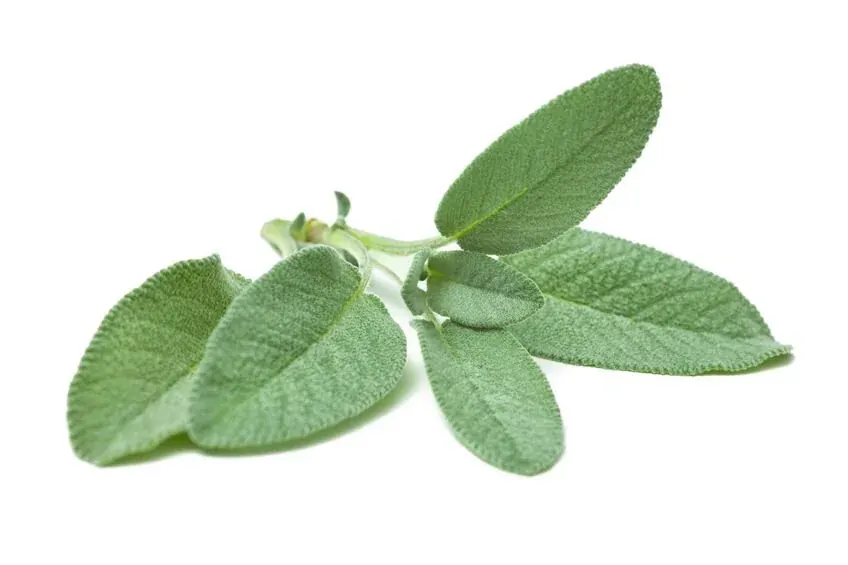
SAGE
(Salvia officinalis) It's one of the most common herbs of Crete, with an excellent fragrance. It blooms in May and June, producing purple-blue flowers. It has been known since the antiquity for its toning properties.
I love to dry it out and burn it around the house to clear the energy with it’s unique aromatic smell.
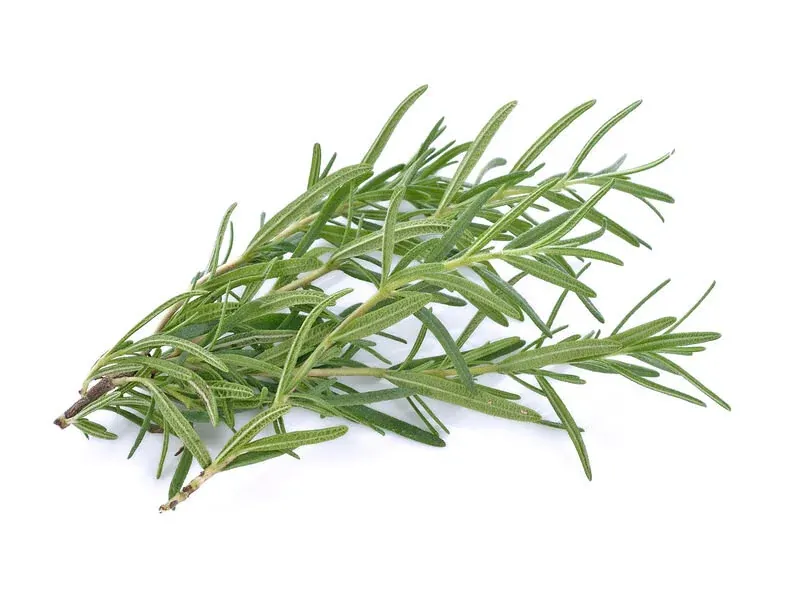
ROSEMARY
(Rosmarinus officinalis) In the past, the Cretan used as a tea against headaches and migraines. Experts believe that its regular use is ideal against hair loss. It is antibacterial, antiseptic and a strong blood circulation stimulator. It also used against insomnia.
I love to infuse it in the air as a powerful aromatherapy to help with focus.
GREEK LESSON
Rosemary has been known since ancient times to improve memory and one of the muses (from the nine daughters of Jupiter) named Mnemosyne (memory) is illustrated in pictures carrying rosemary. It’s also been rumored that ancient Greek students wore rosemary around their necks to aid their memory.
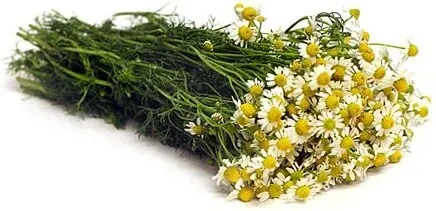
CHAMOMILE
(Matricaria recutita) It's collected from April to June, dried and used all year round. In Crete you can find it everywhere. It‘s considered to have anti-inflammatory, anti-allergic antiseptic, and soothing properties.
I love to add chamomile to my evening tea, relax, and read a great book.
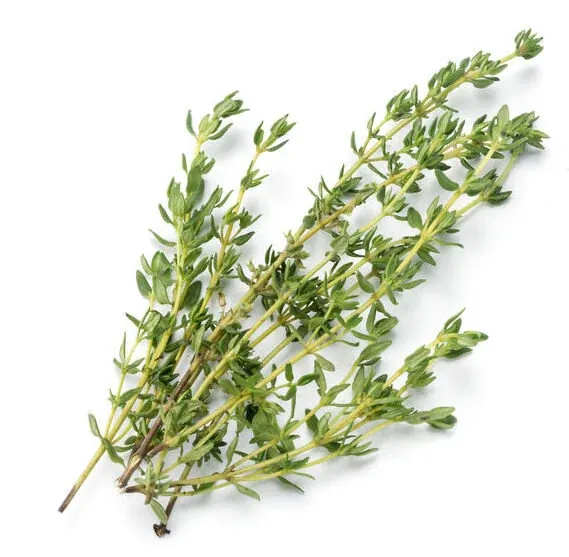
THYME
(Thymus vulgarus) Blooms in June and July and has large blue flowers. Thyme honey is regarded as the finest. Thyme has antiseptic, diuretic, anti-parasitic and antipyretic properties.Its essential oil is used, among others, in toothpastes. In cooking, thyme is used as a flavoring.
I love to infuse thyme with a hint grapefruit juice and honey into sparkling water.
GREEK LESSON:
The word thymus comes from the word meaning courage in Greek.
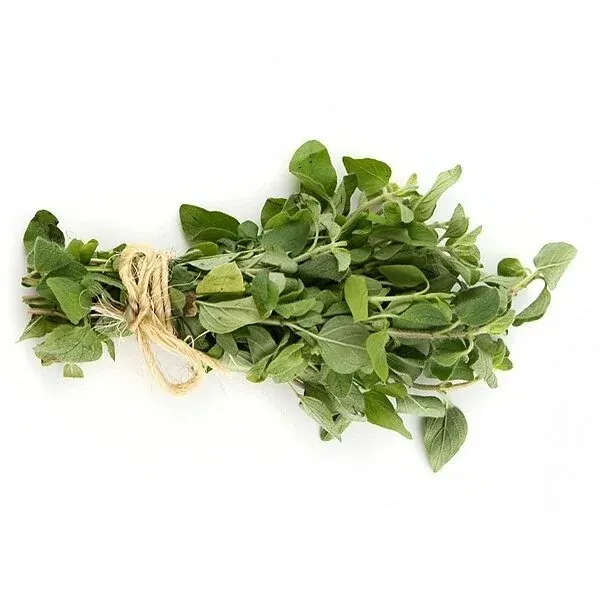
OREGANO
(Origanum vulgare) Used as an appetizer, antiseptic, sedative and also for toothaches. The essential oils have been used widely in perfumery. To aid with digestion, mash a couple of leaves along with a slice of ginger into your water and drink!
I love to put oregano around the house as a natural mosquito repellent in the summer months.
Science, tradition & further reading
Traditional knowledge, botanical identity, and preparation
These plants belong to a rich culinary and herbal tradition. The original diary’s descriptions of medicinal properties should be read in that historical context; they do not establish that every preparation treats the conditions listed. A culinary herb, an infusion, and an essential oil are different preparations.
Chamomile can cause allergic reactions, particularly in people sensitive to related plants. Its traditional soothing reputation does not make it universally “anti-allergic.” Essential oils can be harmful if swallowed or used inappropriately. Seek additional care from a qualified clinician or botanical specialist before using concentrated preparations or addressing persistent symptoms.
References & further reading
- NCCIH: Chamomile (n.d.) · NIH evidence and safety summary; accessed October 2026
- National Capital Poison Center: Essential Oils (n.d.) · Poison prevention guidance; accessed October 2026
Original writing: Medicine Wild Greek Diaries · 2015-06-03
For education and reflection. Individual needs vary. For persistent symptoms or personal guidance, seek additional care from a qualified clinician or appropriate specialist.