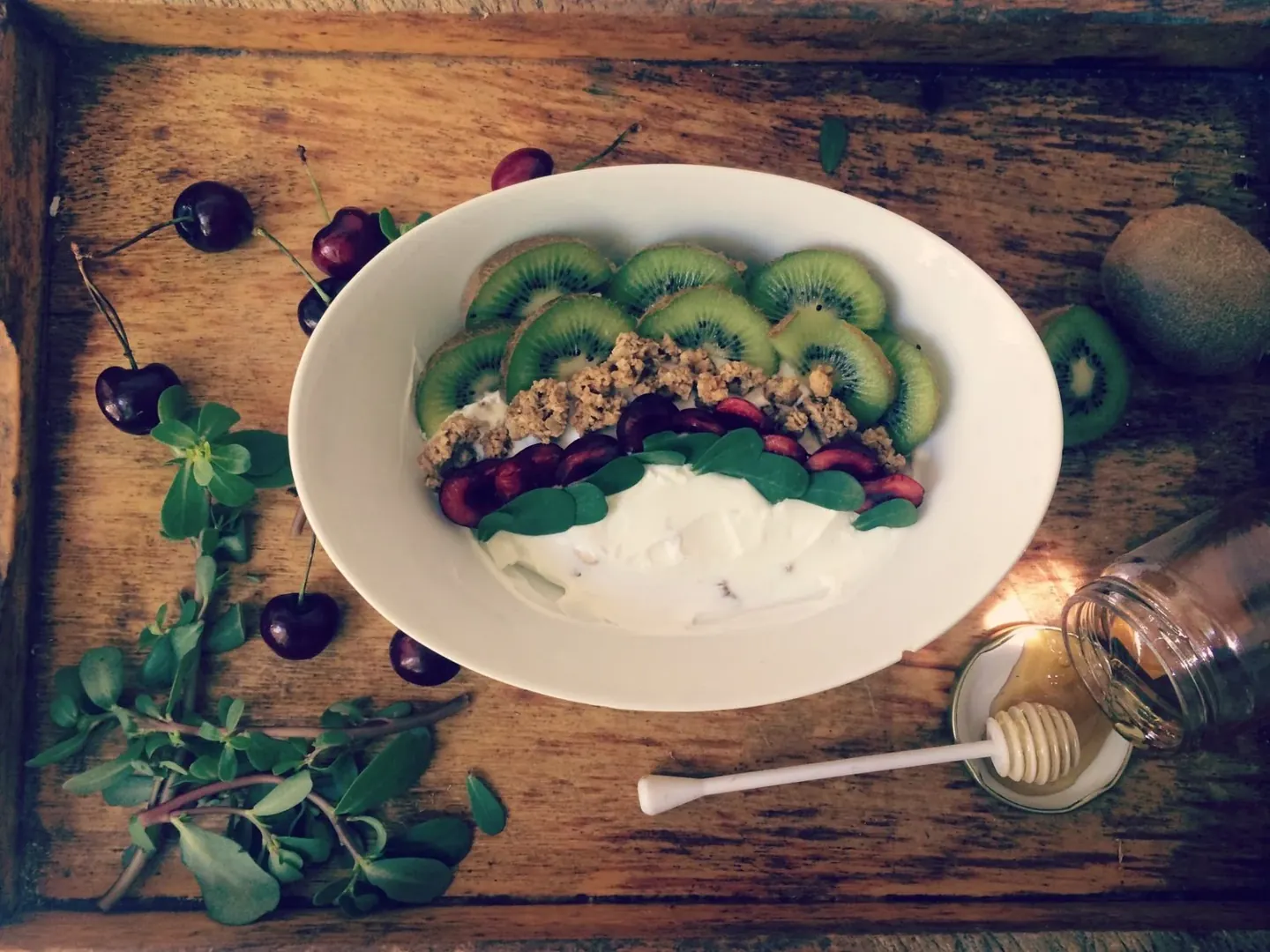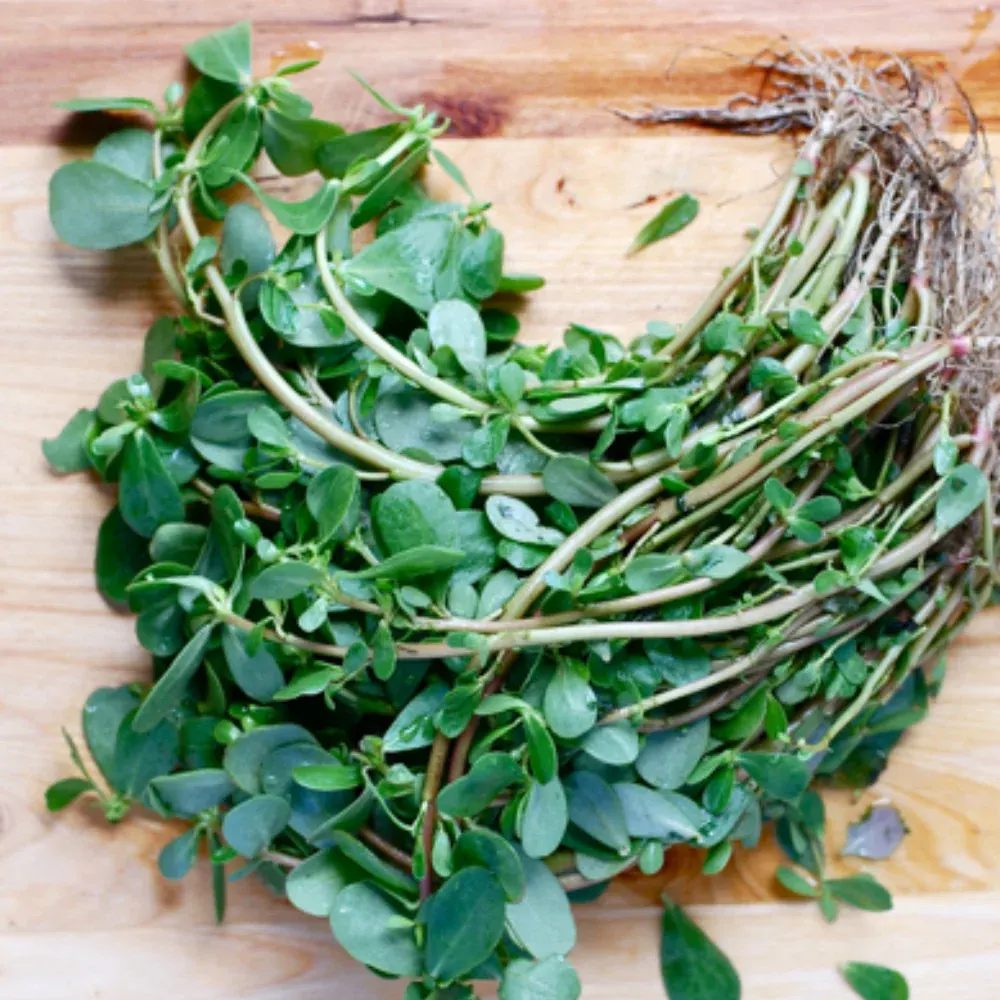
Michele’s original diary, in her own words. Additional context follows the story ↓
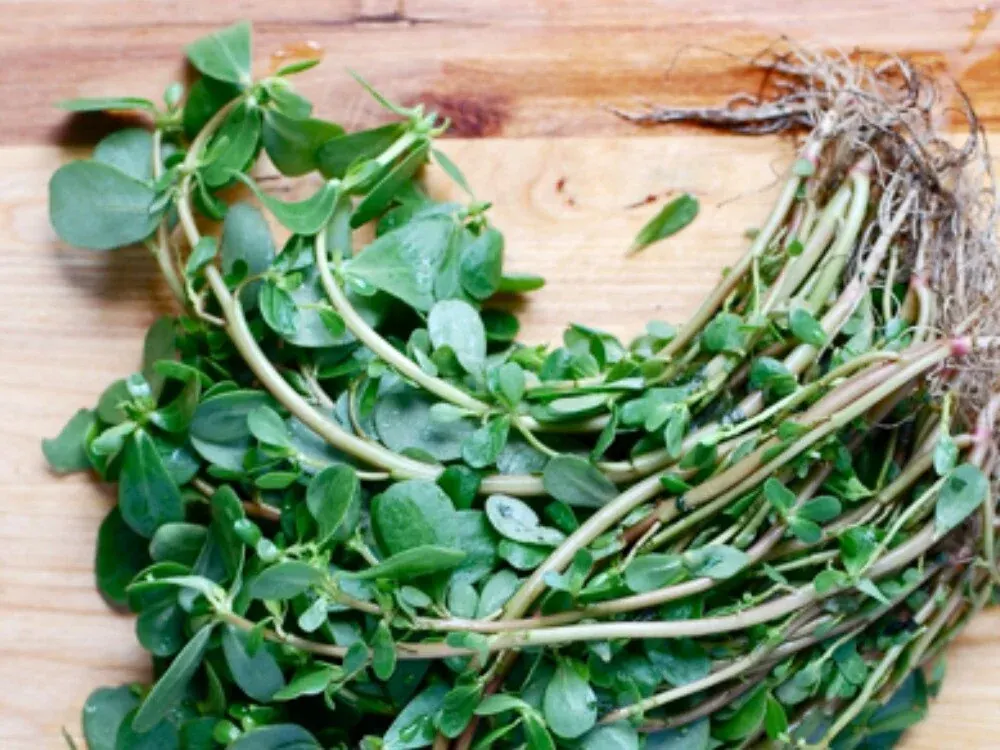
CRETAN SUPERFOOD
Purslane (Portulaca oleracea) is loaded with omega’s 3’s, the richest source of melatonin, and a powerful detoxifier.
Other Countries Consider It A Weed But Not The Cretans! After doing some research, I was amazed that I had never heard of this plant... or, for that matter, how someone could view it as a weed! Purslane simply deserves more respect.
Purslane happens to be the richest source of omega-3 fatty acids of any green, leafy, vegetable with 60% linolenic acid!
What's even more interesting is that a study found that it's also rich in melatonin! In fact, 10-20 times that of any other plant.
Melatonin is a powerful antioxidant that has been proven to support brain function, promote sleep, and regulate the immune system.
But wait there's more.
There was a recent study that revealed how Purslane could remove BPA (you know, the icky stuff that can leach into the water from your plastic waterbottle?) from water within 24 hours!
This "weed" packs quite a punch with benefits of detoxification, immune health, plus it's loaded with nutrients including vitamin A and fatty acids.
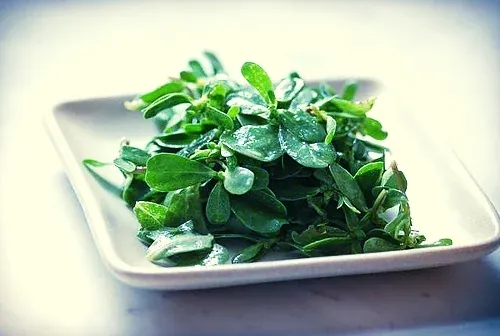
TRY IT WITH
Olive oil and lemon
Mix it into a salad
Stir it into a soup
Blend it into a smoothie
Science, tradition & further reading
A useful distinction: a food, a plant study, and a human outcome
Food-composition studies have identified the plant omega-3 fat alpha-linolenic acid and melatonin in purslane. Detecting these constituents does not show that eating purslane treats sleep problems or produces the broad immune and “detoxification” benefits described in the original diary.
The BPA experiment studied plants removing the chemical from water. It was not a trial of people eating purslane, so it cannot establish removal of BPA from the human body. Descriptions such as “the richest source” also depend on the plants, growing conditions, and measurements being compared.
Purslane can contain substantial oxalate. If you have a history of calcium-oxalate kidney stones or need an individualized diet, seek additional care from a qualified clinician or nutrition specialist. Use positively identified food-grade plants.
Original writing: Medicine Wild Greek Diaries · 2015-06-01
Put it into practice
Naturopathic foundations
How can I enjoy purslane in a varied diet?
Choose safely identified food-grade purslane and use it in a salad or another familiar dish. Pair greens with enough food, protein, and flavor. A local ingredient can enrich a varied pattern without needing to become an everyday requirement.
Functional tests to consider
Eating well begins on the plate. If you are also investigating metabolic risk, these tests can help put the longer-term pattern in context.
HbA1c & fasting glucose
These help evaluate blood-sugar patterns when metabolic risk, increased thirst, frequent urination, or other clinical clues warrant testing. A1c gives a longer view; a fasting glucose is a point-in-time measurement. Anemia and other conditions can affect A1c.
Lipid panel, with ApoB when useful
For a cardiovascular or longevity review, begin with the lipid pattern and the whole risk picture. ApoB can add information in selected situations, particularly when triglycerides or metabolic risk complicate the picture. It is not a test of whether one food is working.
A mind–body practice
The first three bites
Put the screen away and place both feet on the floor. Before eating, notice the color and scent of the food. Take the first three bites slowly enough to notice their texture, then check in with hunger and comfort.
A little more clarity
Can a single food replace a whole-food eating pattern?
No single ingredient has to carry the whole meal. Look for enough food, a source of protein, varied plants, and a pattern that fits your life. Laboratory results describe specific health questions, not the virtue of an individual food.
For education and reflection. Individual needs vary. For persistent symptoms or personal guidance, seek additional care from a qualified clinician or appropriate specialist.
References
- Common Purslane: A Source of Omega-3 Fatty Acids and Antioxidants (1992) · Laboratory food-composition analysis
- Purslane: A Plant Source of Omega-3 Fatty Acids and Melatonin (2005) · Plant-composition report; not a human sleep trial
- Assessment of Purslane Total Oxalates: Influence of Culinary Processing (2025) · Food-composition and processing study
- Removal of phenolic endocrine disruptors by Portulaca oleracea (2007) · Plant water-culture experiment; not a human treatment trial