Some days call for a little more staying power. American ginseng has a long history as a restorative herb, traditionally chosen when energy feels depleted. The root of Panax quinquefolius is often described in herbal practice as nourishing and cooling.
- Adaptogenic tradition
The energy connection
Its characteristic compounds, called ginsenosides, are part of the reason researchers study this root for fatigue. A large trial in people with cancer-related fatigue found improvement after eight weeks with a particular root preparation—a focused finding behind its restorative reputation.
Think replenishment
American ginseng fits into a wider conversation about rebuilding reserves: satisfying meals, sound sleep, and enough time to recover. Its traditional appeal is the idea of supporting capacity over time, with a preparation chosen for the person’s particular pattern of tiredness.
Meet the botanical
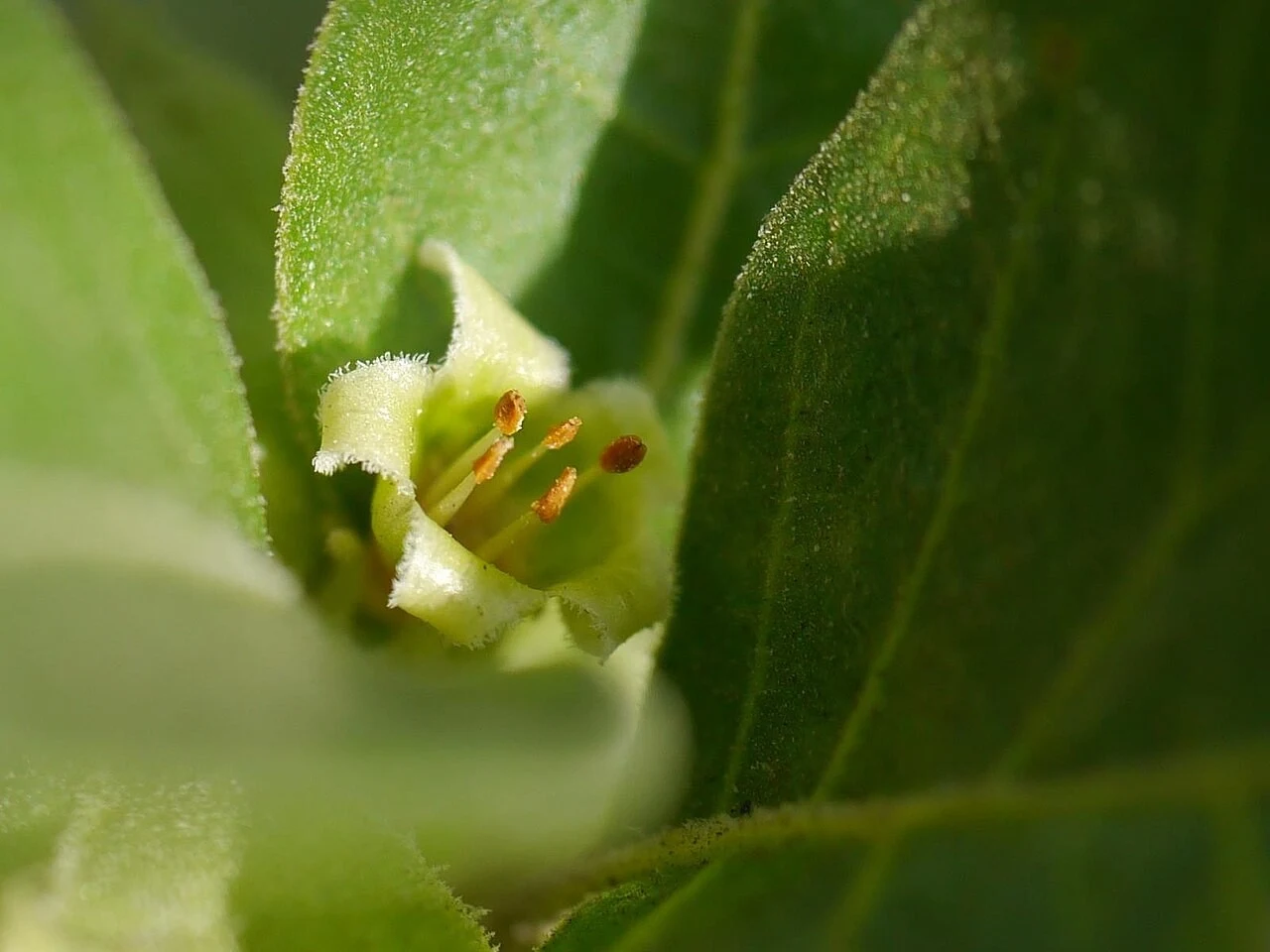
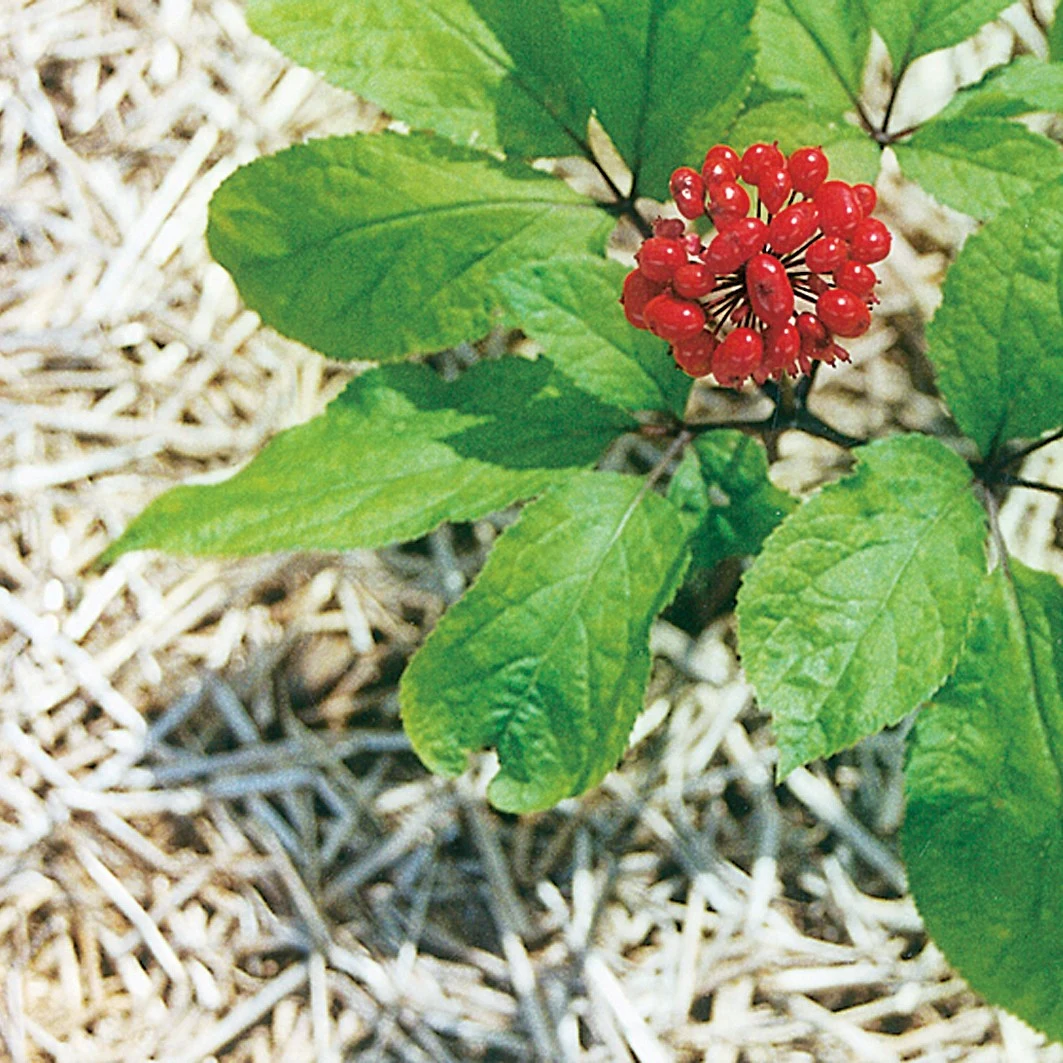
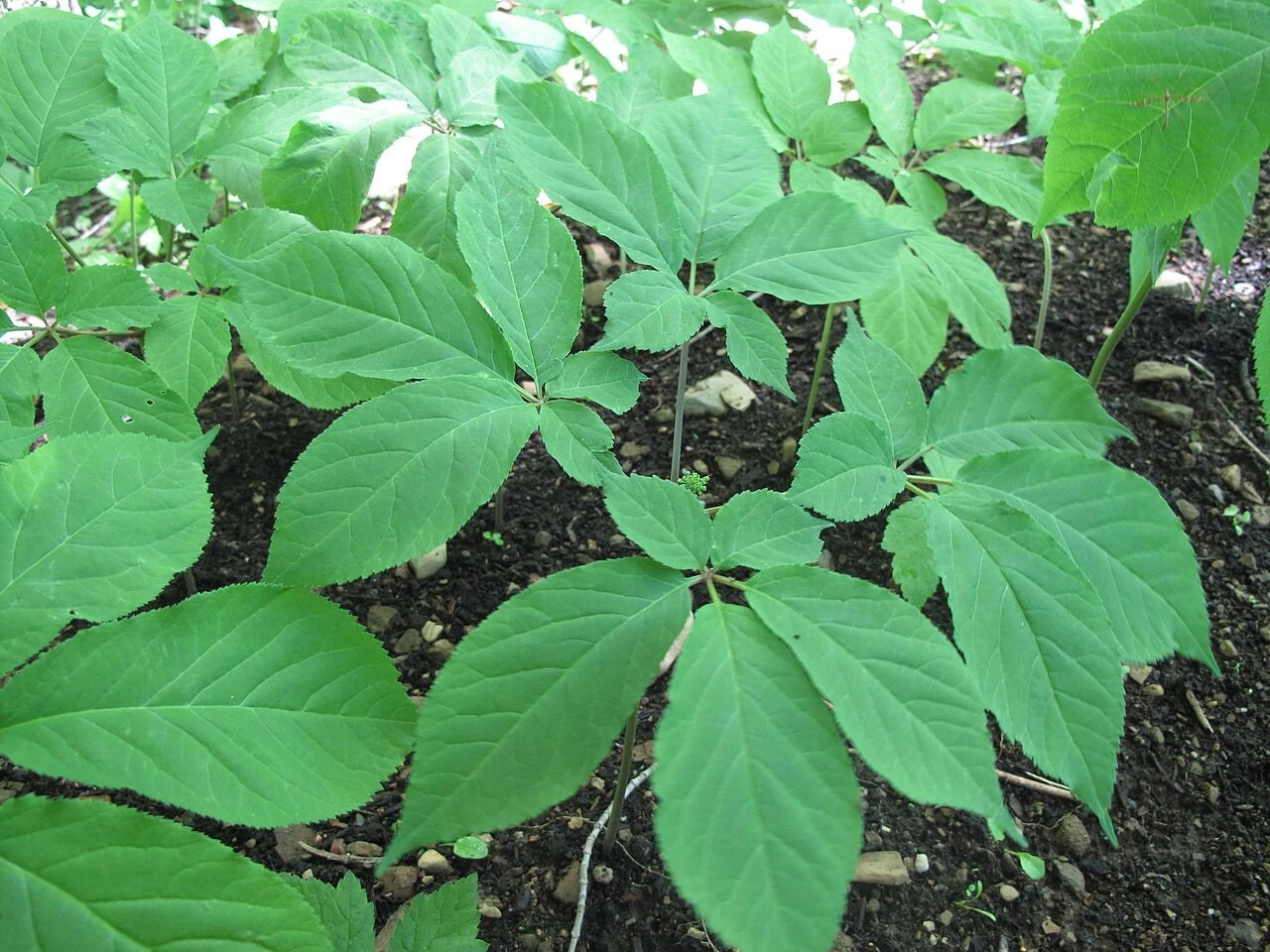
Panax quinquefolius
- Family
- Araliaceae
- Parts in focus
- Root; research includes particular powdered-root preparations, not only concentrated extracts.
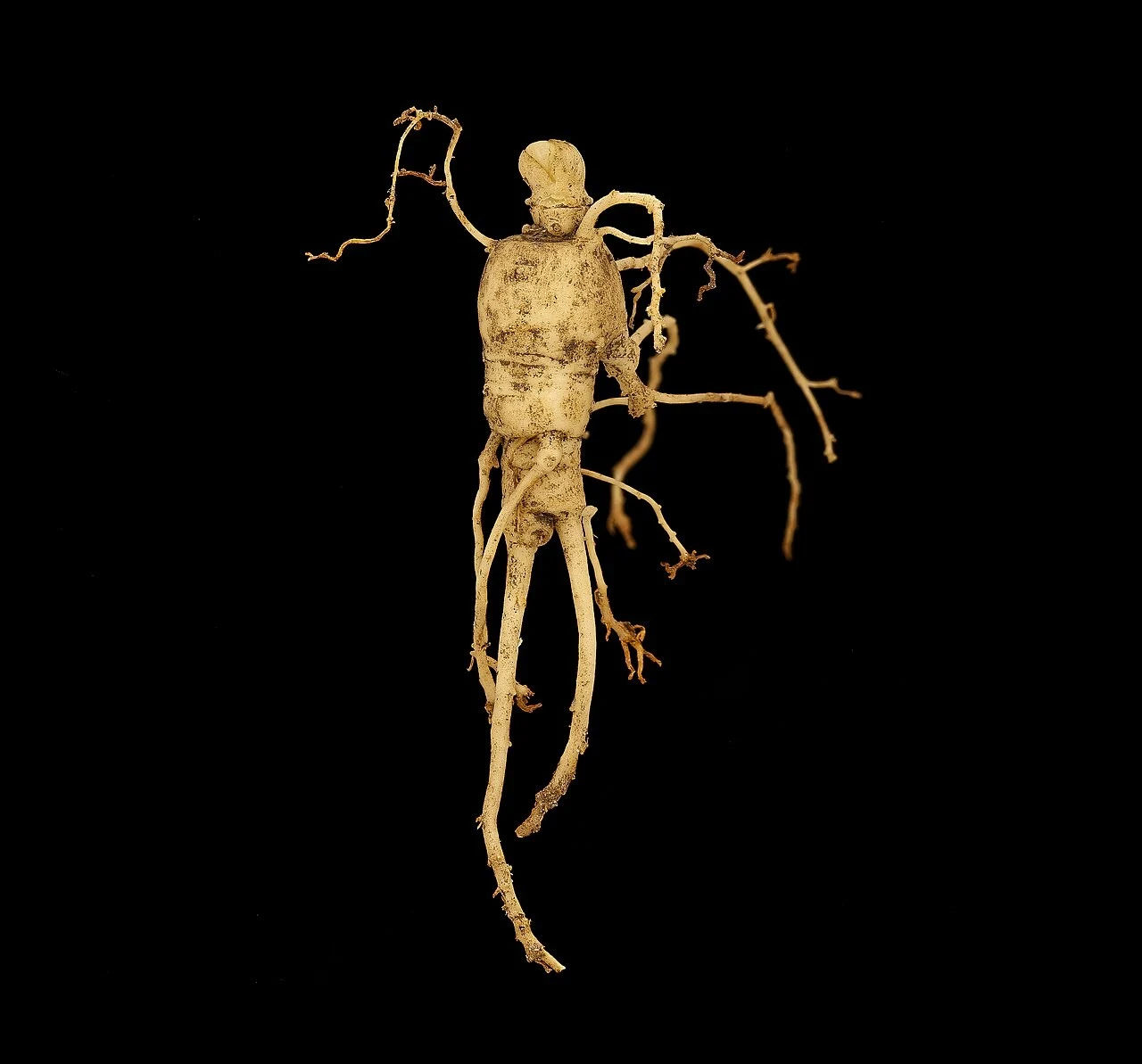
ⓘ Photograph credits
Panax quinquefolius · USGS Bee Inventory and Monitoring Lab from Beltsville, Maryland, USA · Original photograph · Public domain. Resized and converted to WebP; displayed with a crop. No generative edits.
Common uses
Traditional and everyday uses, at a glance.
| Common use | Part & preparation |
|---|---|
| Tonic traditions | Identified American ginseng root preparations |
| Fatigue support | Particular root products, chosen with a clinician |
A short history
American ginseng is a North American root with its own tonic tradition. It is a distinct species from Asian ginseng, with a different herbal identity.
Energy & character
Steady and restorative in tonic language: an invitation to rebuild reserves at an unhurried pace.
Symbolism
As a personal symbol, its branching root suggests resilience and the patient work of finding strength again.
The research & references
What the studies tell us
The 364-participant trial found a difference at eight weeks, but not at its four-week primary endpoint. It studied a defined powdered-root preparation and cancer-related fatigue. It does not establish a benefit for every cause of tiredness or replace oncology care; American ginseng can reduce warfarin’s effect.
Care with this plant.
Clinically documented reduction of warfarin effect; oncology/product review essential; pregnancy, lactation and children not established by cited trial; persistent fatigue requires evaluation.
Research relates to the species, preparation, and people studied. Findings for an ingredient do not establish the effects of the complete featured formula.
Explore the sources
About this article & supplement statements
These statements have not been evaluated by the Food and Drug Administration. These products are not intended to diagnose, treat, cure, or prevent any disease.
Medicine Wild offers botanical education from Dr. Michele Burklund’s naturopathic and functional medicine perspective. This article is for informational purposes and does not replace individual medical advice, diagnosis, or treatment. A qualified practitioner can help you choose care suited to your health history.
A little more to know
Questions about american ginseng.
What is the botanical name of american ginseng?
American Ginseng is identified in this monograph as Panax quinquefolius. Its botanical family is Araliaceae.
Which parts of american ginseng are used?
Root; research includes particular powdered-root preparations, not only concentrated extracts.
What does research say about american ginseng?
A specific powdered-root regimen improved cancer-related fatigue at eight weeks, but the four-week primary comparison was not significant. Do not generalize to all fatigue, all products, or cancer treatment.
What should I know before using american ginseng?
Clinically documented reduction of warfarin effect; oncology/product review essential; pregnancy, lactation and children not established by cited trial; persistent fatigue requires evaluation.
Where can I read the research on american ginseng?
These sources are included in the monograph’s reference list.