When a demanding stretch starts following you into bedtime, ashwagandha is one of the botanicals worth understanding. This Ayurvedic root is traditionally associated with restoration, and studies of certain extracts have found improvements in perceived stress and sleep.
- Stress research
- Sleep research
- Ayurvedic tradition
Support for feeling more settled
Ashwagandha is often called an adaptogen, an herbal term for plants studied for the way they influence our response to stress. Its particular appeal is the connection between handling daily demands and being able to recover afterward.
Give recovery a place in the day
A consistent bedtime, nourishing meals, and regular time outdoors give restorative care its foundation. Within that rhythm, a clearly identified root preparation offers a focused way to explore ashwagandha’s role in stress and rest.
From the plant to my apothecary
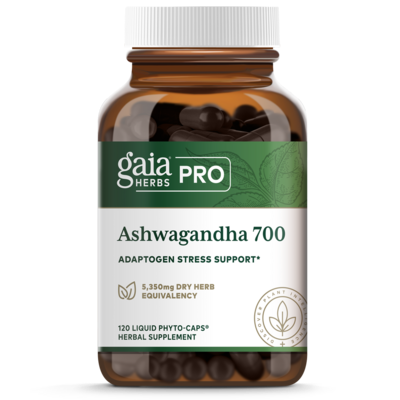
My selection.
I chose this capsule preparation for its focused approach to a restorative Ayurvedic root. It is an easy-to-understand selection for the stress-and-rest conversation. A Wise Woman Herbals liquid extract is also in the collection.
Another preparation in my collection
I may earn income from purchases through my Fullscript shop.
Meet the botanical
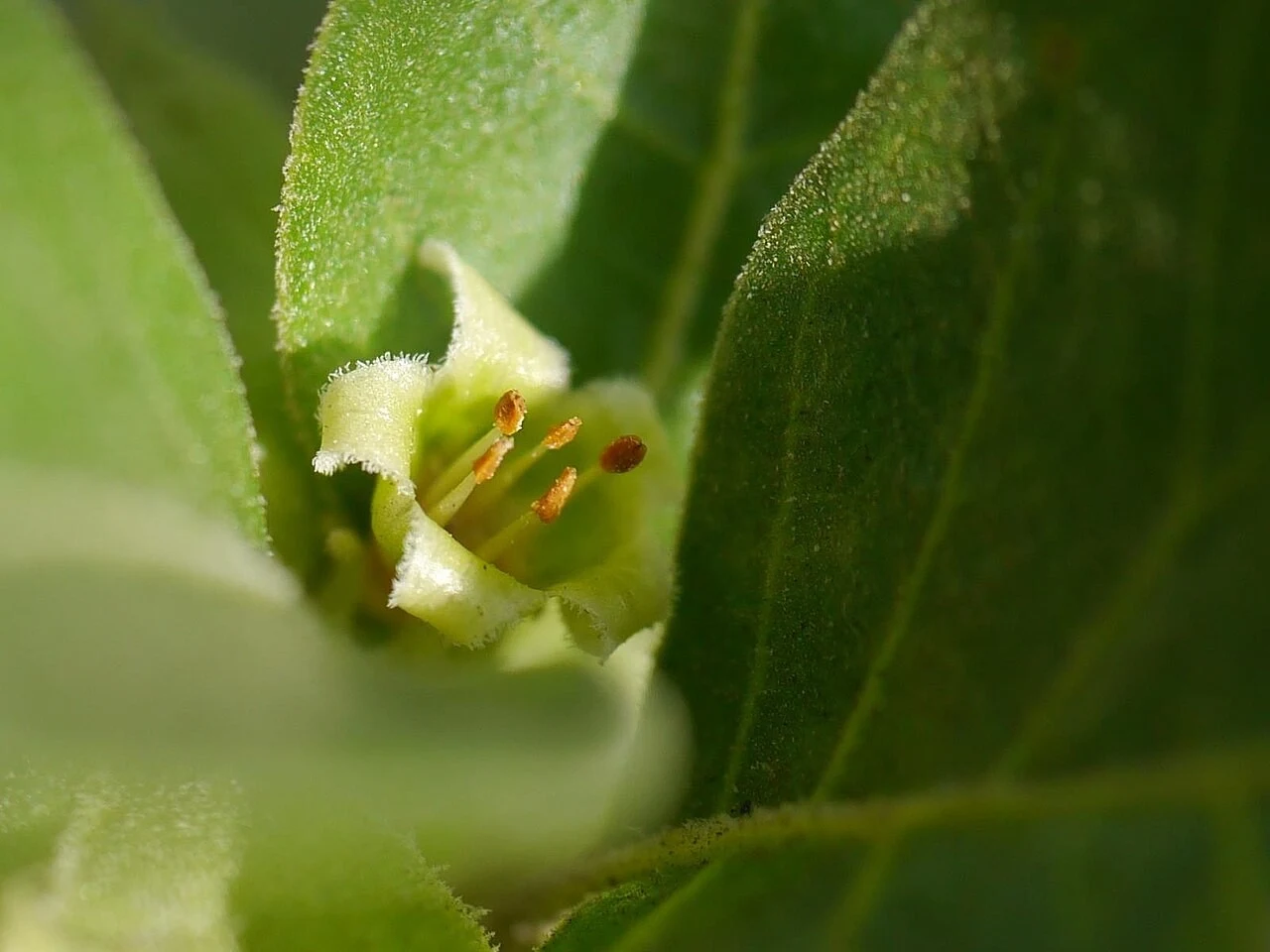
Withania somnifera
- Family
- Solanaceae
- Parts in focus
- Root; some commercial extracts also contain leaf, which is not interchangeable with root-only preparations.
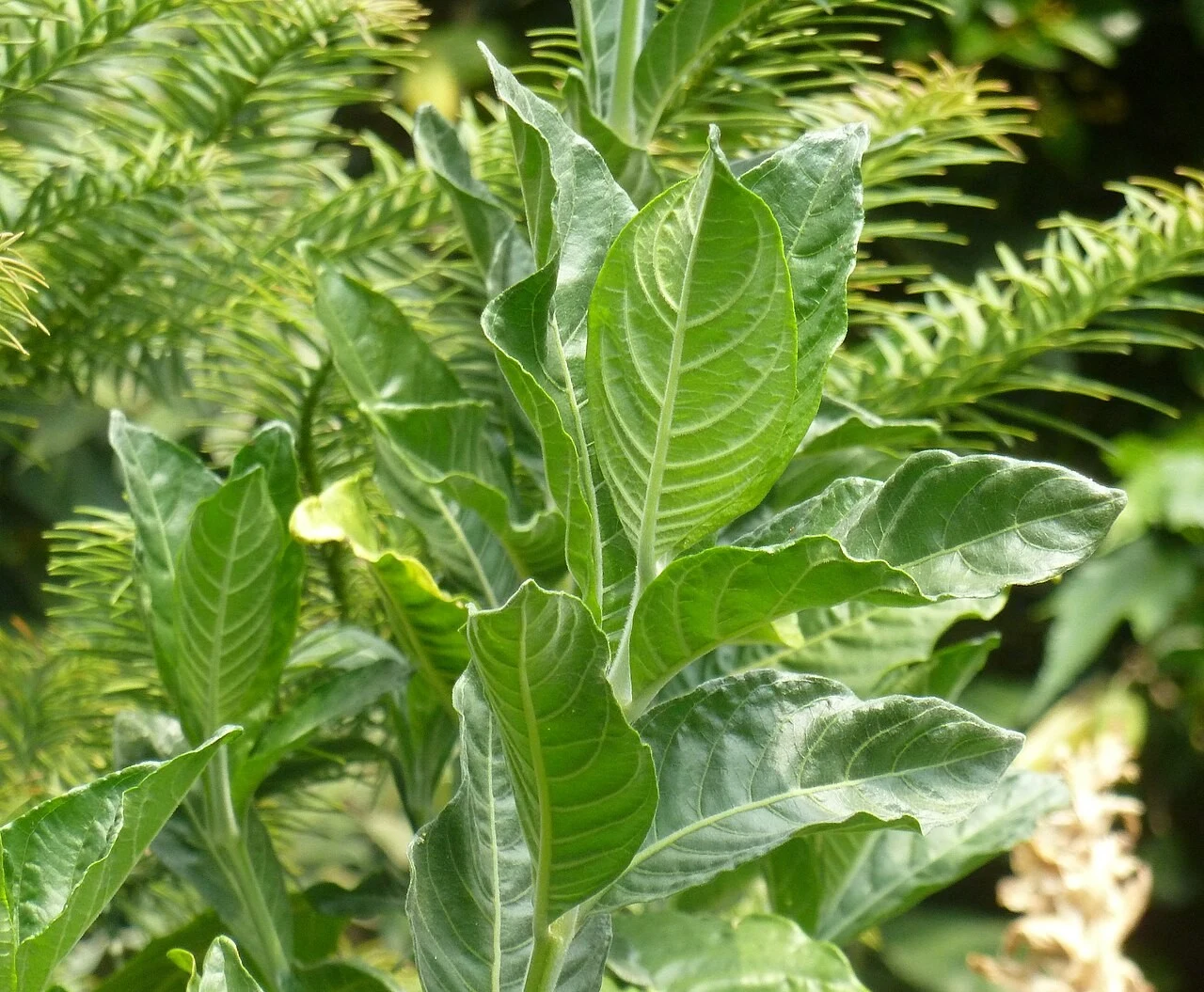
ⓘ Photograph credits
Withania somnifera · JMK · Original photograph · CC BY-SA 4.0. Resized and converted to WebP; displayed with a crop. No generative edits.
Common uses
Traditional and everyday uses, at a glance.
| Common use | Part & preparation |
|---|---|
| Rejuvenative traditions | Root preparations used in Ayurveda |
| Stress & rest | Identified root extracts |
A short history
Ashwagandha is part of Ayurveda’s rasayana tradition, concerned with rejuvenation and sustaining vitality. The root is central to that history, although modern products may contain other parts.
Energy & character
Grounding and restorative within its Ayurvedic tradition, with a bitter, earthy root taste.
Symbolism
For a personal ritual, the root can symbolize replenishment: strength that grows from nourishment and rest.
The research & references
What the studies tell us
NCCIH finds that some ashwagandha preparations may help stress and insomnia, while evidence for anxiety remains unclear. Trials use different extracts and are often small. Long-term safety is not established, and the findings do not justify claims of universal hormone balance or fertility enhancement.
Care with this plant.
Avoid pregnancy/breastfeeding; thyroid, autoimmune, surgery, drug-interaction, sedation, GI, and rare liver-injury cautions.
Research relates to the species, preparation, and people studied. Findings for an ingredient do not establish the effects of the complete featured formula.
Explore the sources
- ABC HerbClip: Ashwagandha Root Extract Was Found to Be Generally Safe and Well-tolerated by Adults Diagnosed with Borderline to Moderate Stress and Anxiety
- Chandrasekhar et al.: High-concentration ashwagandha root extract for stress and anxiety in adults
- NCCIH: Ashwagandha—Usefulness and Safety
- Pakhale et al.: Safety of 8-Week Administration With Ashwagandha Root Extract in Adults With Stress and Anxiety
- ABC HerbalGram 99: Herb Profile—Ashwagandha, printed pp. 1–7
About this article & supplement statements
These statements have not been evaluated by the Food and Drug Administration. These products are not intended to diagnose, treat, cure, or prevent any disease.
Medicine Wild offers botanical education from Dr. Michele Burklund’s naturopathic and functional medicine perspective. This article is for informational purposes and does not replace individual medical advice, diagnosis, or treatment. A qualified practitioner can help you choose care suited to your health history.
A little more to know
Questions about ashwagandha.
What is the botanical name of ashwagandha?
Ashwagandha is identified in this monograph as Withania somnifera. Its botanical family is Solanaceae.
Which parts of ashwagandha are used?
Root; some commercial extracts also contain leaf, which is not interchangeable with root-only preparations.
What does research say about ashwagandha?
Some preparation-specific stress and sleep signals; small efficacy trials and a larger eight-week safety trial do not establish universal benefit or long-term safety.
What should I know before using ashwagandha?
Avoid pregnancy/breastfeeding; thyroid, autoimmune, surgery, drug-interaction, sedation, GI, and rare liver-injury cautions.
Where can I read the research on ashwagandha?
These sources are included in the monograph’s reference list.