Asian ginseng has been part of East Asian approaches to vitality for centuries. Its substantial root, Panax ginseng, is traditionally associated with rebuilding strength and resilience. Today, researchers are also asking how particular preparations may help with fatigue.
- Adaptogenic tradition
For a little more capacity
Some studies suggest modest improvements in tiredness with defined ginseng preparations. The root contains compounds called ginsenosides, and their balance changes with processing. Red ginseng, for example, is made by steaming the root.
A root with its own character
Herbal traditions tend to describe Asian ginseng as a warming tonic. That gives it a different personality from cooler American ginseng. Choosing between them starts with the experience you want to support and the preparation in the bottle.
Meet the botanical
Panax ginseng
- Family
- Araliaceae
- Parts in focus
- Root; white ginseng is dried, while red ginseng is steamed before drying.
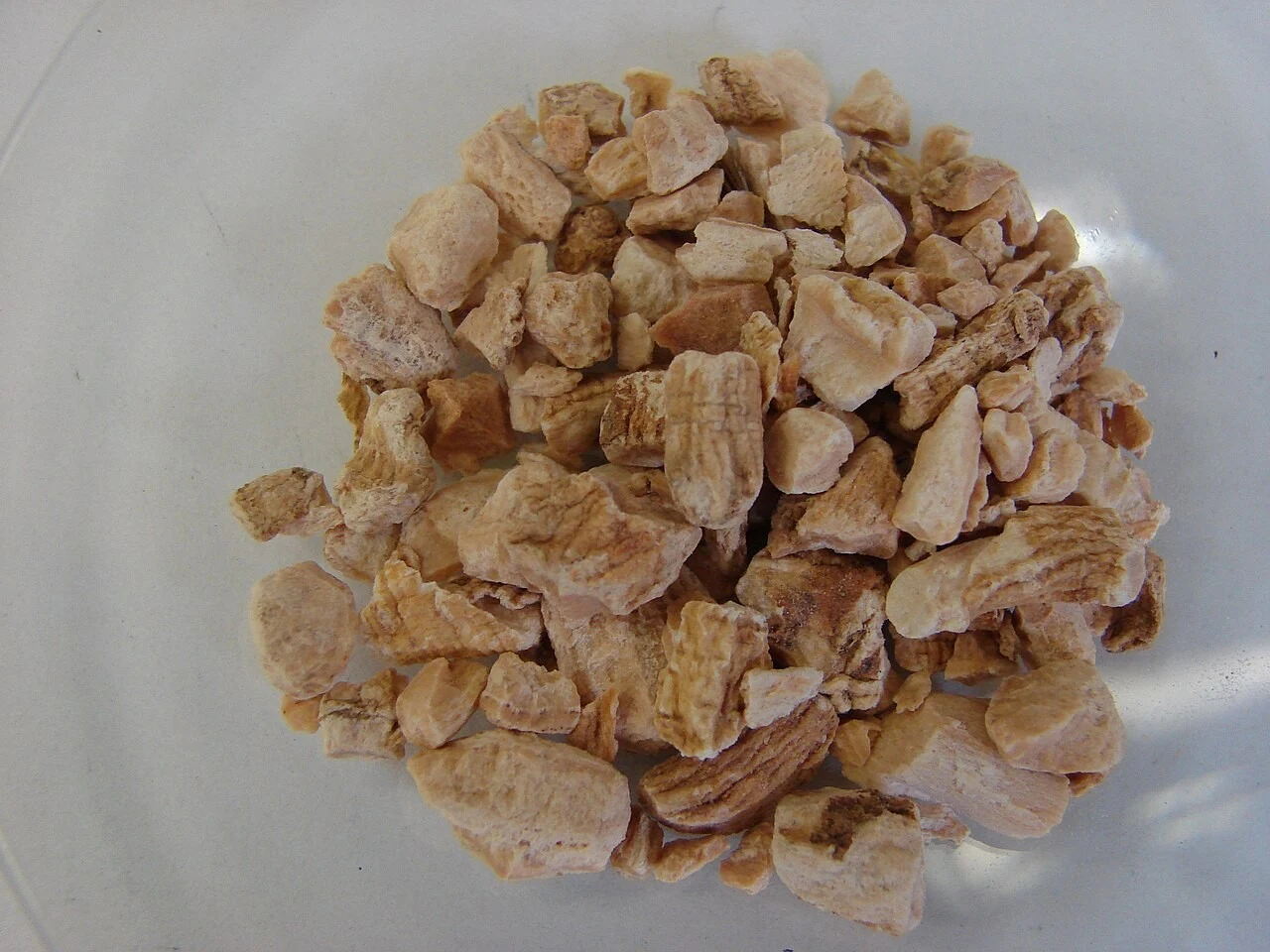
ⓘ Photograph credits
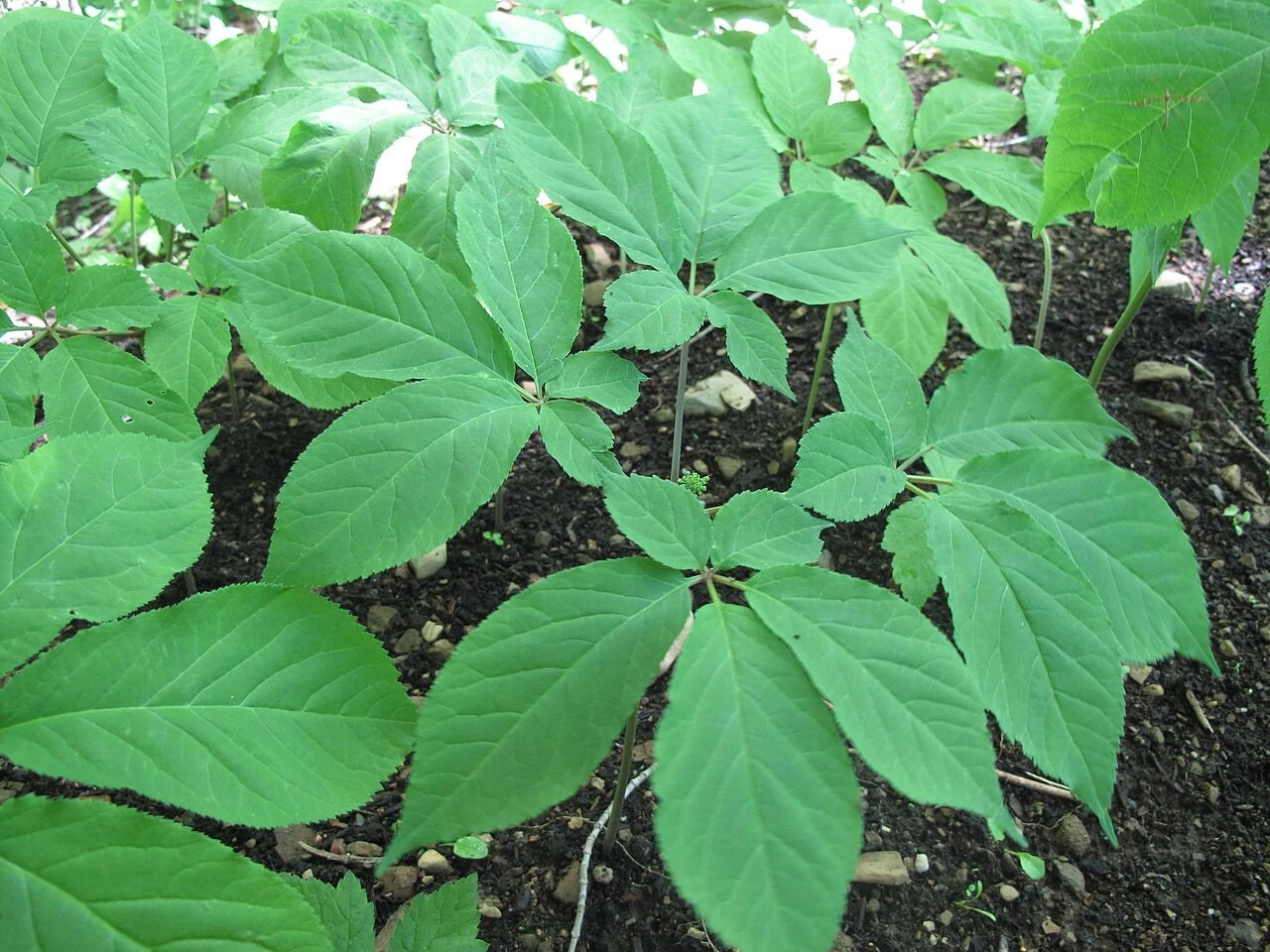
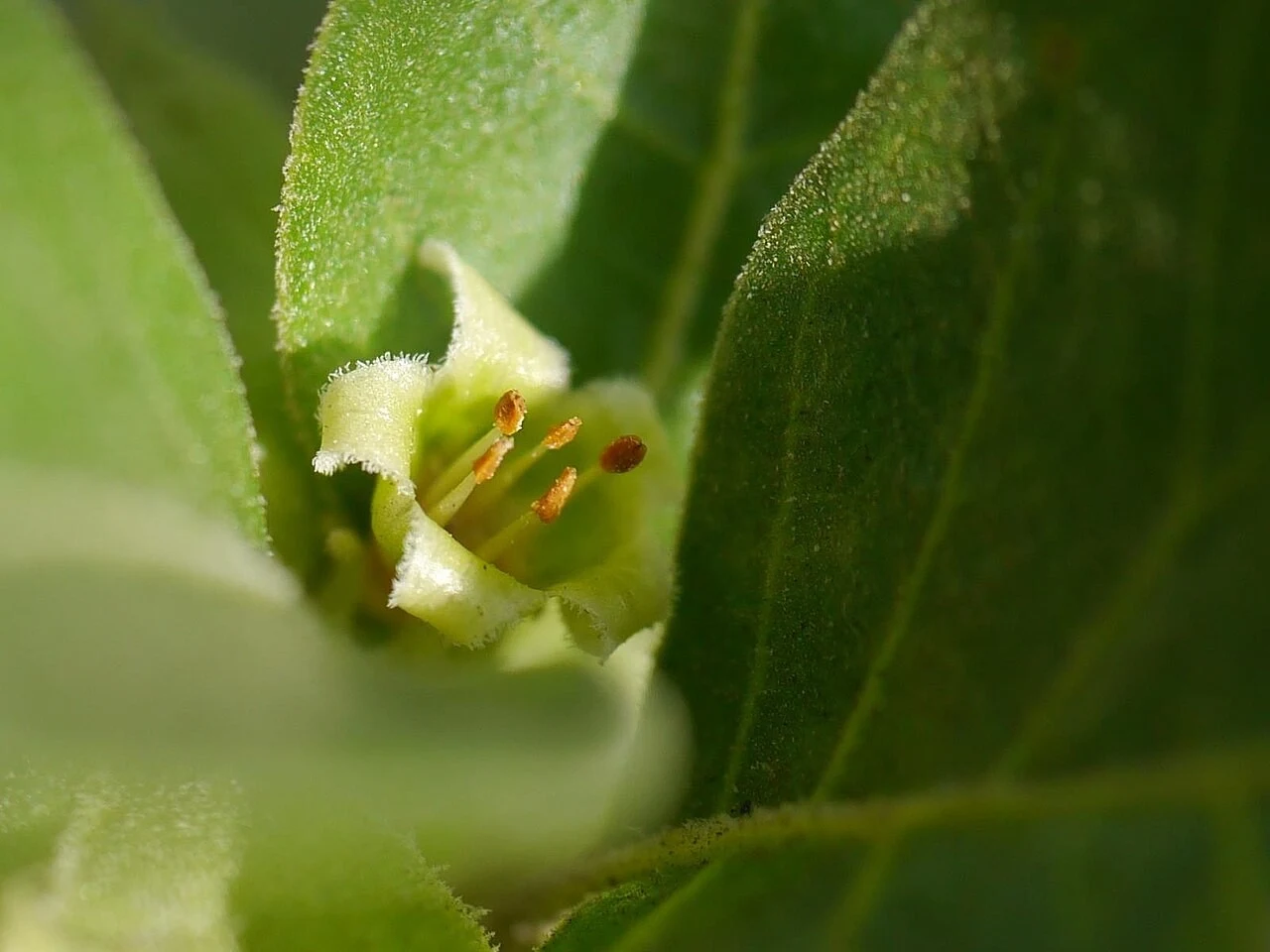
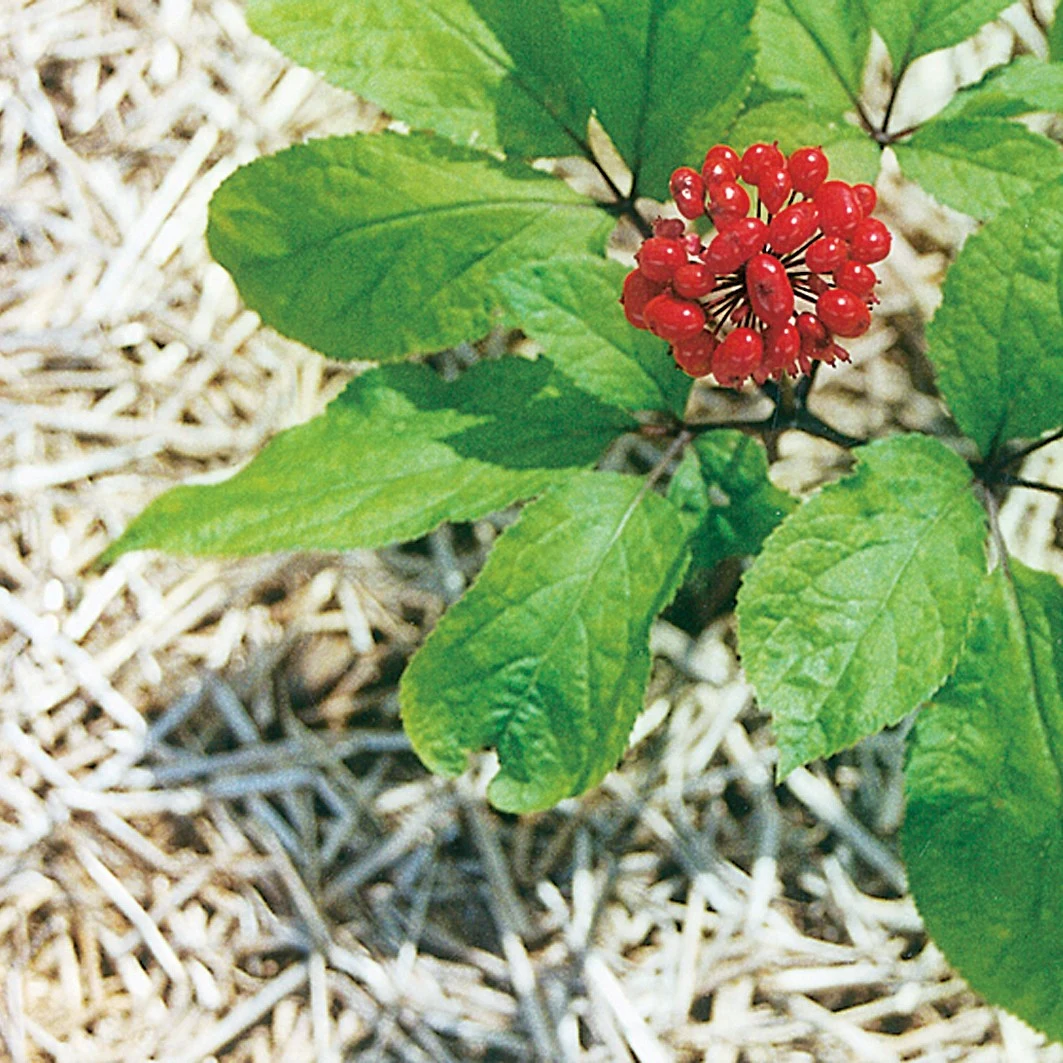
Panax ginseng · Maša Sinreih in Valentina Vivod · Original photograph · CC BY-SA 3.0. Resized and converted to WebP; displayed with a crop. No generative edits.
Common uses
Traditional and everyday uses, at a glance.
| Common use | Part & preparation |
|---|---|
| Qi-tonic traditions | Asian ginseng root preparations |
| Vitality & fatigue | Specified root extracts |
A short history
Asian ginseng has a longstanding place among the qi tonics of Chinese medicine. White and red ginseng reflect different preparation methods applied to the same species.
Energy & character
Fortifying in traditional tonic language. Its root brings an earthy taste with both sweetness and bitterness.
Symbolism
Its branching, sometimes humanlike root offers a personal image of wholeness: making room for a fuller life, rather than simply doing more.
The research & references
What the studies tell us
Research suggests a possible small fatigue benefit, but outcomes and formulations vary. This does not establish improved athletic performance or reliable blood-sugar control. Insomnia is a recognized adverse effect, and medication interactions require review.
Care with this plant.
Insomnia; blood-glucose and clotting effects; autoimmune and medication cautions; avoid self-use during pregnancy/breastfeeding or in children; uncommon serious liver/allergic reactions.
Research relates to the species, preparation, and people studied. Findings for an ingredient do not establish the effects of the complete featured formula.
Explore the sources
About this article & supplement statements
These statements have not been evaluated by the Food and Drug Administration. These products are not intended to diagnose, treat, cure, or prevent any disease.
Medicine Wild offers botanical education from Dr. Michele Burklund’s naturopathic and functional medicine perspective. This article is for informational purposes and does not replace individual medical advice, diagnosis, or treatment. A qualified practitioner can help you choose care suited to your health history.
A little more to know
Questions about asian ginseng.
What is the botanical name of asian ginseng?
Asian Ginseng is identified in this monograph as Panax ginseng. Its botanical family is Araliaceae.
Which parts of asian ginseng are used?
Root; white ginseng is dried, while red ginseng is steamed before drying.
What does research say about asian ginseng?
Some fatigue-related findings, but inconsistent outcomes and short preparation-specific trials; no established universal vitality, athletic, or glucose-control benefit.
What should I know before using asian ginseng?
Insomnia; blood-glucose and clotting effects; autoimmune and medication cautions; avoid self-use during pregnancy/breastfeeding or in children; uncommon serious liver/allergic reactions.
Where can I read the research on asian ginseng?
These sources are included in the monograph’s reference list.