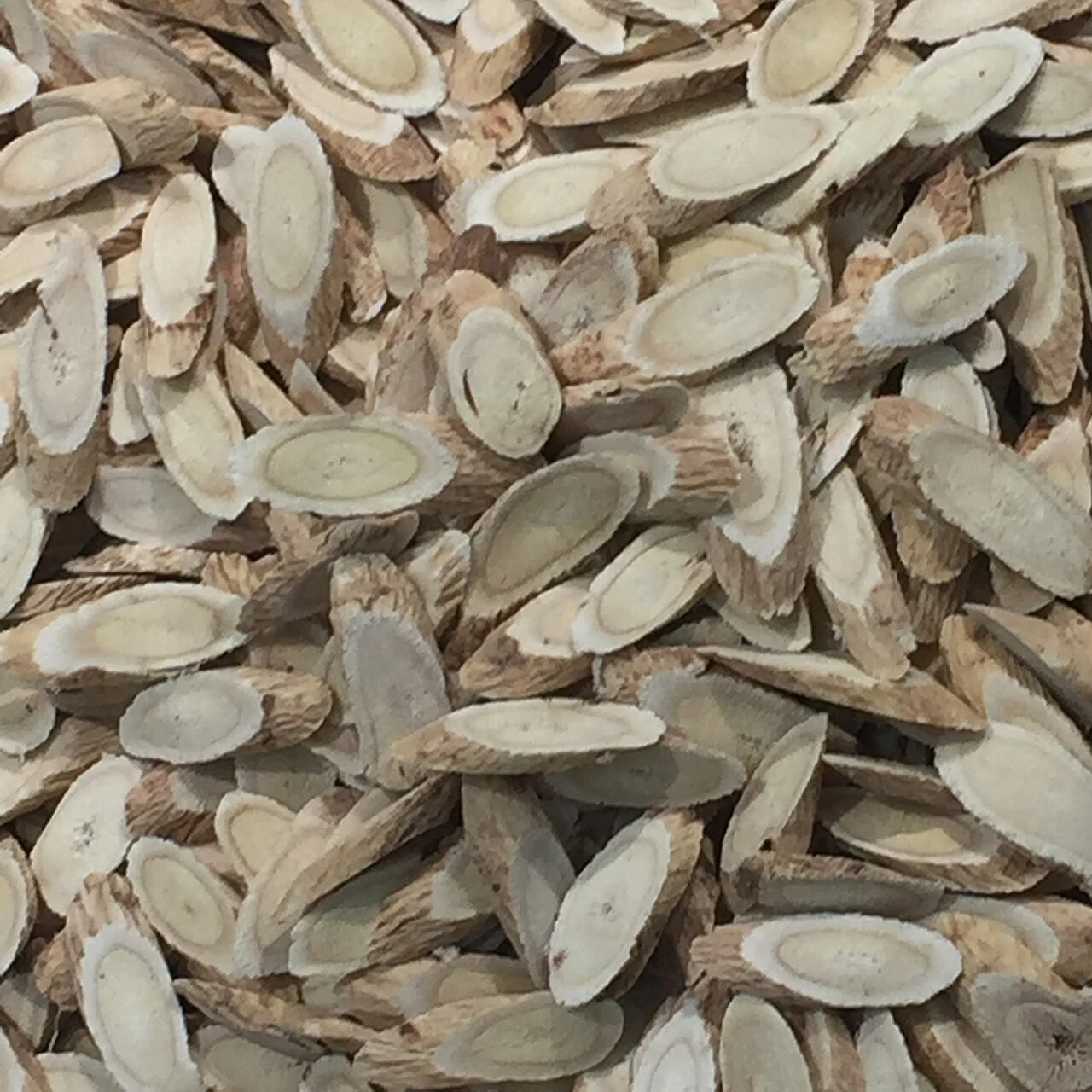
Astragalus takes the long view of wellbeing. Known as huang qi in Chinese herbal medicine, it is traditionally used in formulas for vitality and the body’s protective capacity. Its pale, fibrous root has a mildly sweet character.
- Immune research & tradition
Tending your reserves
The traditional idea is one of steady nourishment: supporting a person through the rhythms and demands of daily life. That makes astragalus an interesting companion to a broader conversation about sleep, regular meals, and recovery.
The immune connection
Astragalus contains polysaccharides and other plant compounds being explored in immune research. Its clinical benefits are still being clarified, while its established place in the apothecary remains the restorative root and the thoughtfully composed formula.
From the plant to my apothecary
My selection.
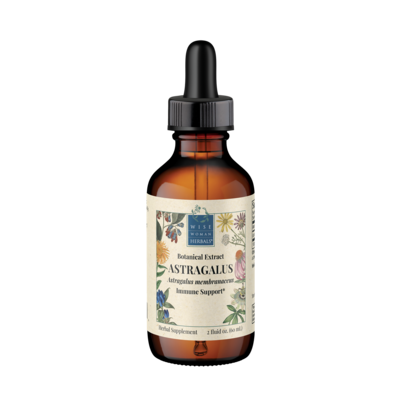
This root extract brings astragalus’s long tonic tradition into a clearly identified liquid preparation. Its place in the collection reflects the herbal emphasis on nourishment and resilience over time.
I may earn income from purchases through my Fullscript shop.
Meet the botanical
Astragalus membranaceus
- Family
- Fabaceae
- Parts in focus
- Root; clearly identified medicinal-root material or a specified extract.
ⓘ Photograph credits
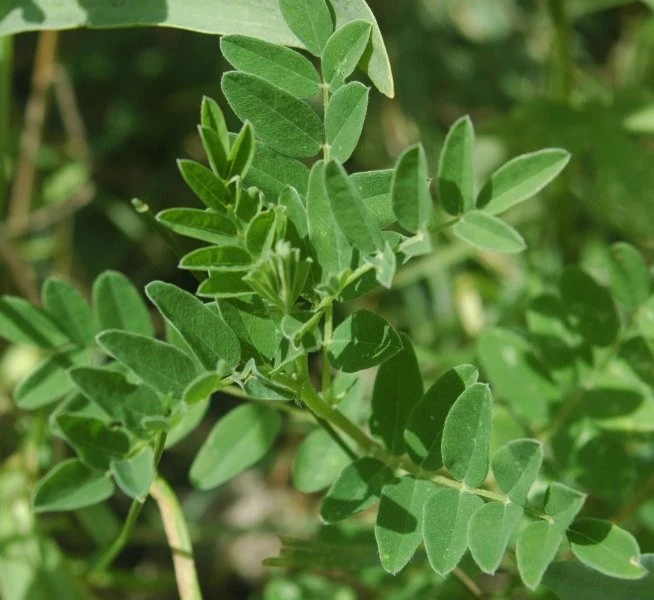
Astragalus membranaceus · Fumikas Sagisavas · Original photograph · CC0. Resized and converted to WebP; displayed with a crop. No generative edits.
Common uses
Traditional and everyday uses, at a glance.
| Common use | Part & preparation |
|---|---|
| Tonic nourishment | Root slices in traditional preparations |
| Seasonal-wellness traditions | Identified root products |
A short history
Known as huang qi in Chinese medicine, astragalus root has a longstanding tonic identity associated with vitality and the body’s defenses.
Energy & character
Mildly sweet, earthy and sustaining in its tonic tradition. The long root slices carry the character of slow nourishment.
Symbolism
For reflection, astragalus can stand for tending your reserves before they are exhausted: a quiet image of continuity and care.
The research & references
What the studies tell us
Astragalus has a substantial traditional history, but clinical evidence does not establish general infection prevention or longer life. A small telomere study tested a multi-ingredient supplement and a laboratory marker; it cannot demonstrate that astragalus alone improves healthspan.
Care with this plant.
Avoid with autoimmune disease; immunosuppressant/transplant interaction concern; pregnancy/lactation uncertainty; do not substitute for assessment of persistent systemic symptoms.
Research relates to the species, preparation, and people studied. Findings for an ingredient do not establish the effects of the complete featured formula.
Explore the sources
About this article & supplement statements
These statements have not been evaluated by the Food and Drug Administration. These products are not intended to diagnose, treat, cure, or prevent any disease.
Medicine Wild offers botanical education from Dr. Michele Burklund’s naturopathic and functional medicine perspective. This article is for informational purposes and does not replace individual medical advice, diagnosis, or treatment. A qualified practitioner can help you choose care suited to your health history.
A little more to know
Questions about astragalus.
What is the botanical name of astragalus?
Astragalus is identified in this monograph as Astragalus membranaceus. Its botanical family is Fabaceae.
Which parts of astragalus are used?
Root; clearly identified medicinal-root material or a specified extract.
What does research say about astragalus?
Small combination-product telomere study does not establish astragalus-alone benefit, improved healthspan, longevity or infection prevention; clinical efficacy remains uncertain.
What should I know before using astragalus?
Avoid with autoimmune disease; immunosuppressant/transplant interaction concern; pregnancy/lactation uncertainty; do not substitute for assessment of persistent systemic symptoms.
Where can I read the research on astragalus?
These sources are included in the monograph’s reference list.