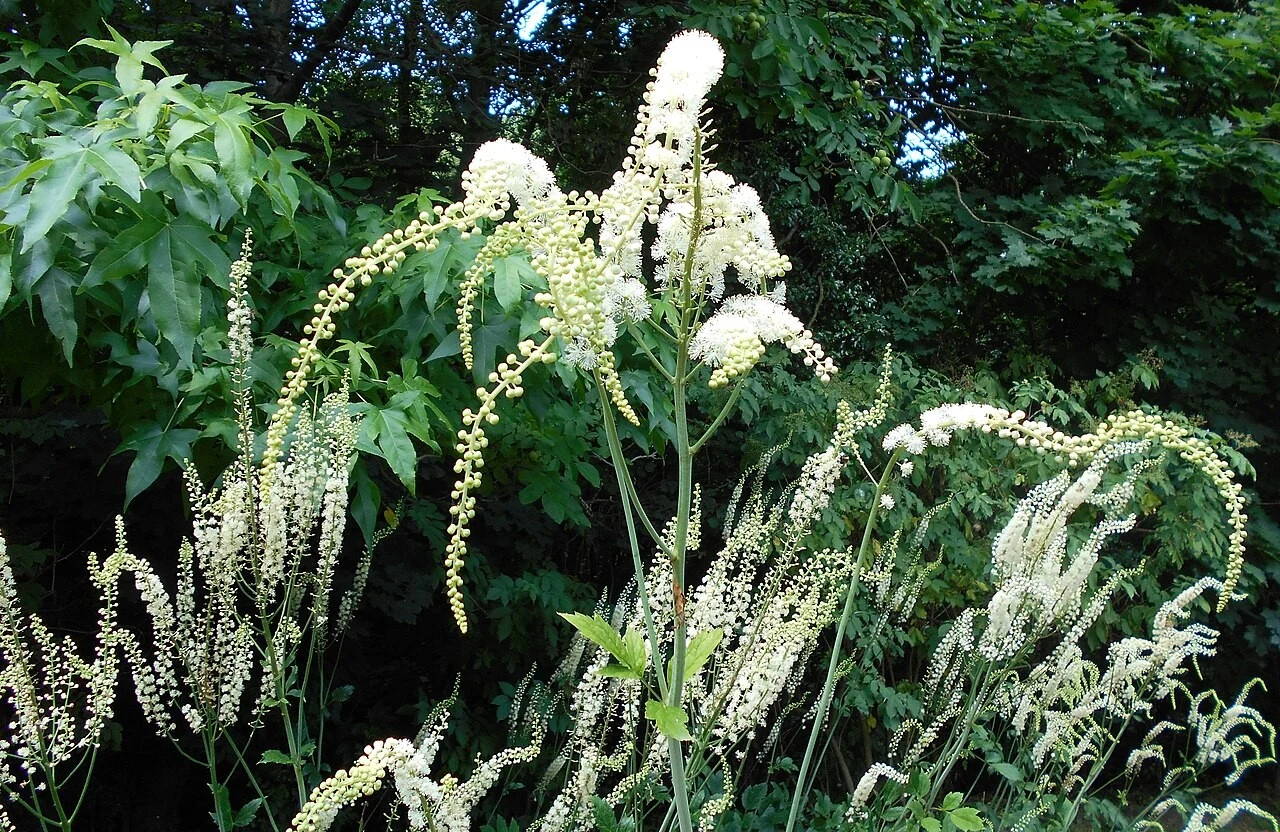
The menopause transition can change the way a day—and a night—feels. Black cohosh is one of the best-known botanicals in this chapter of women’s health. Certain extracts have been studied for hot flashes and other menopause-related discomforts.
- Menopause research
- Women’s herbal traditions
Focus on how you feel
The useful goal is comfort: less disruption from symptoms, more room for daily life. Some studies have reported improvement with defined root-and-rhizome extracts, which is why the particular preparation is central to the conversation.
A changing chapter
Black cohosh comes from a North American woodland plant with a long history in women’s herbal care. Its modern place is in a personal approach to the transition, shaped by the symptoms that matter to you and the wider rhythms of rest and nourishment.
From the plant to my apothecary
My selection.
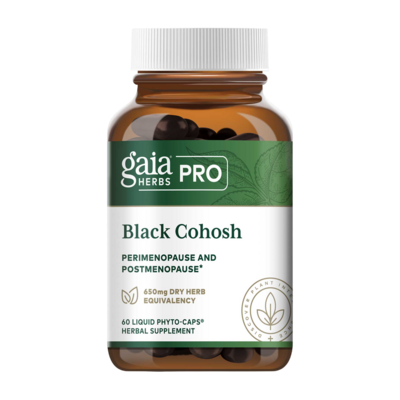
I feature this single-botanical selection for the conversation about comfort through menopause. It keeps the focus on black cohosh and makes the preparation easy to connect with the plant’s story.
I may earn income from purchases through my Fullscript shop.
Meet the botanical
Actaea racemosa L. (syn. Cimicifuga racemosa)
- Family
- Ranunculaceae
- Parts in focus
- Rhizome and roots; chemically characterized extracts used in human studies.
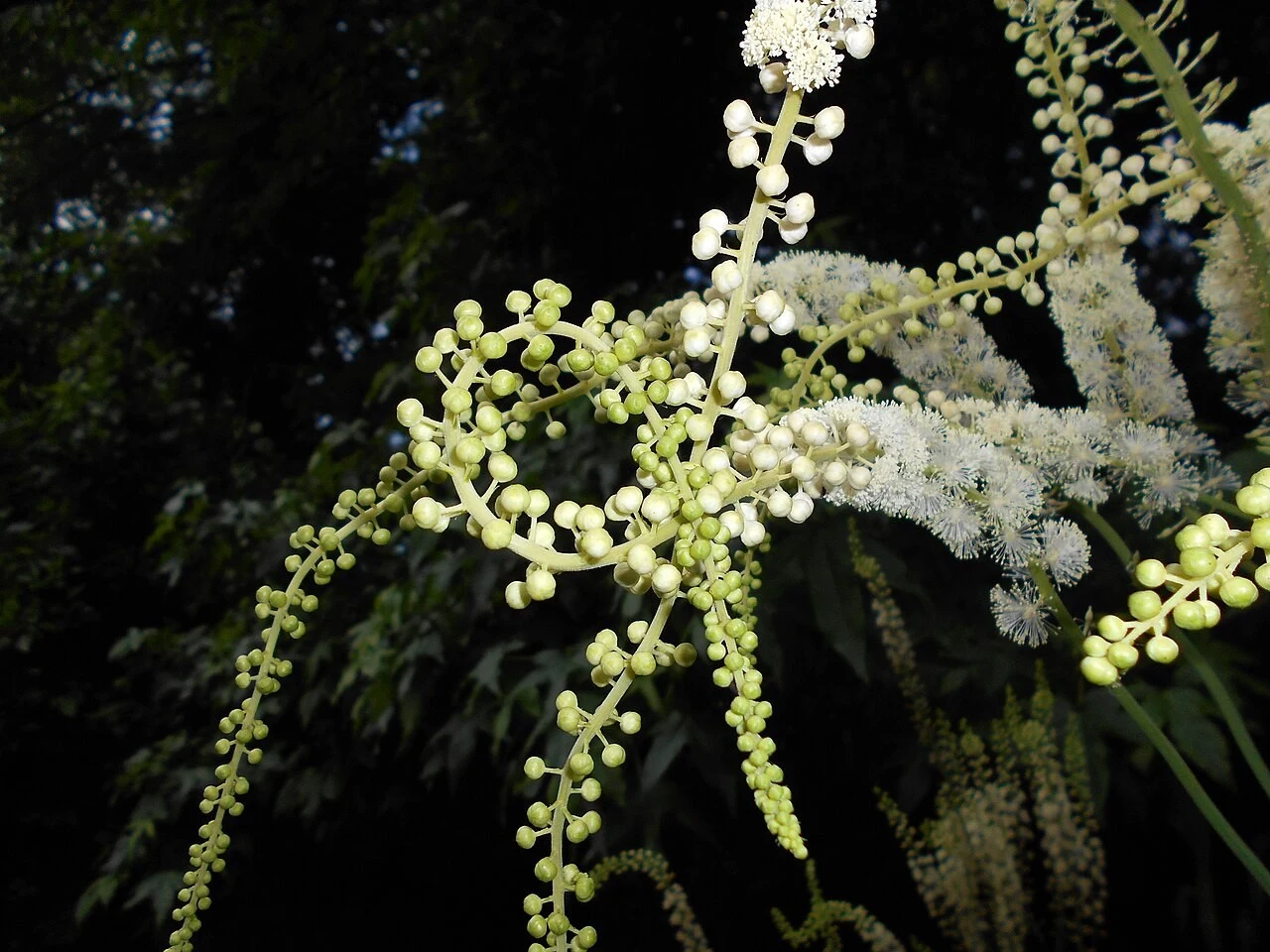
ⓘ Photograph credits
Actaea racemosa · Salicyna · Original photograph · CC BY-SA 4.0. Resized and converted to WebP; displayed with a crop. No generative edits.
Common uses
Traditional and everyday uses, at a glance.
| Common use | Part & preparation |
|---|---|
| Menopause care | Specified root and rhizome extracts |
| Women’s herbal traditions | Root preparations selected for the individual |
A short history
Black cohosh’s herbal history begins in Indigenous North American medicine, followed by adoption in later European and North American herbal practice.
Energy & character
A strong, bitter root with a substantial presence in women’s herbal traditions.
Symbolism
For personal reflection, it can accompany the theme of transition: making space for a changing body and a changing chapter of life.
The research & references
What the studies tell us
Findings vary by extract and study. Some reviews suggest benefits for overall menopause symptoms and hot flashes, while the large HALT trial did not find meaningful benefit for its regimen. Liver-safety concerns and hormone-sensitive conditions require individual review.
Care with this plant.
Rare serious liver-injury reports involve products labeled black cohosh; causality is uncertain. Avoid unsupervised use with liver disease, pregnancy, breastfeeding, or hormone-sensitive conditions. Stop for dark urine, jaundice, poor appetite, or unusual fatigue. Do not confuse with blue cohosh.
Research relates to the species, preparation, and people studied. Findings for an ingredient do not establish the effects of the complete featured formula.
Explore the sources
About this article & supplement statements
These statements have not been evaluated by the Food and Drug Administration. These products are not intended to diagnose, treat, cure, or prevent any disease.
Medicine Wild offers botanical education from Dr. Michele Burklund’s naturopathic and functional medicine perspective. This article is for informational purposes and does not replace individual medical advice, diagnosis, or treatment. A qualified practitioner can help you choose care suited to your health history.
A little more to know
Questions about black cohosh.
What is the botanical name of black cohosh?
Black Cohosh is identified in this monograph as Actaea racemosa L. (syn. Cimicifuga racemosa). Its botanical family is Ranunculaceae.
Which parts of black cohosh are used?
Rhizome and roots; chemically characterized extracts used in human studies.
What does research say about black cohosh?
Some studies and pooled analyses report improvement in menopause symptoms, but findings vary by preparation. The 351-participant 12-month HALT trial found no meaningful vasomotor benefit for its black cohosh regimen over placebo. No established hormone-balancing or bone-protection effect.
What should I know before using black cohosh?
Rare serious liver-injury reports involve products labeled black cohosh; causality is uncertain. Avoid unsupervised use with liver disease, pregnancy, breastfeeding, or hormone-sensitive conditions. Stop for dark urine, jaundice, poor appetite, or unusual fatigue. Do not confuse with blue cohosh.
Where can I read the research on black cohosh?
These sources are included in the monograph’s reference list.