Black seed has moved between kitchens and herbal cupboards for generations. Nigella sativa is fragrant, dark, and slightly peppery; its pressed oil concentrates a different side of the plant. Researchers have been exploring that oil for seasonal allergy symptoms.
- Digestive tradition
A seasonal point of interest
A short trial of a standardized black-seed oil formula found improvements in nasal and eye symptoms during allergy season. Thymoquinone, one of the oil’s characteristic compounds, is part of the wider research into the plant’s activity.
From the kitchen to the apothecary
Whole seeds bring savory depth to food. The oil offers a concentrated preparation with its own composition and purpose. Both belong to the story of this small seed, whose traditional use spans the Mediterranean, Middle East, and South Asia.
From the plant to my apothecary
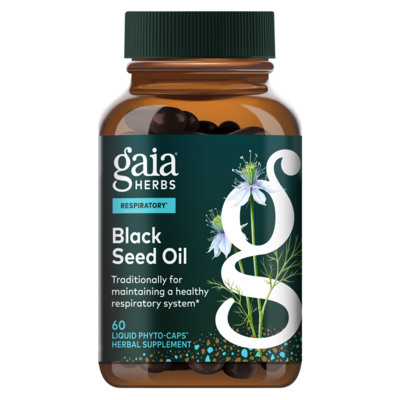
My selection.
I feature this Nigella sativa oil for its distinct composition and its place in the seasonal-comfort conversation. It brings a concentrated side of the familiar culinary seed into the apothecary.
I may earn income from purchases through my Fullscript shop.
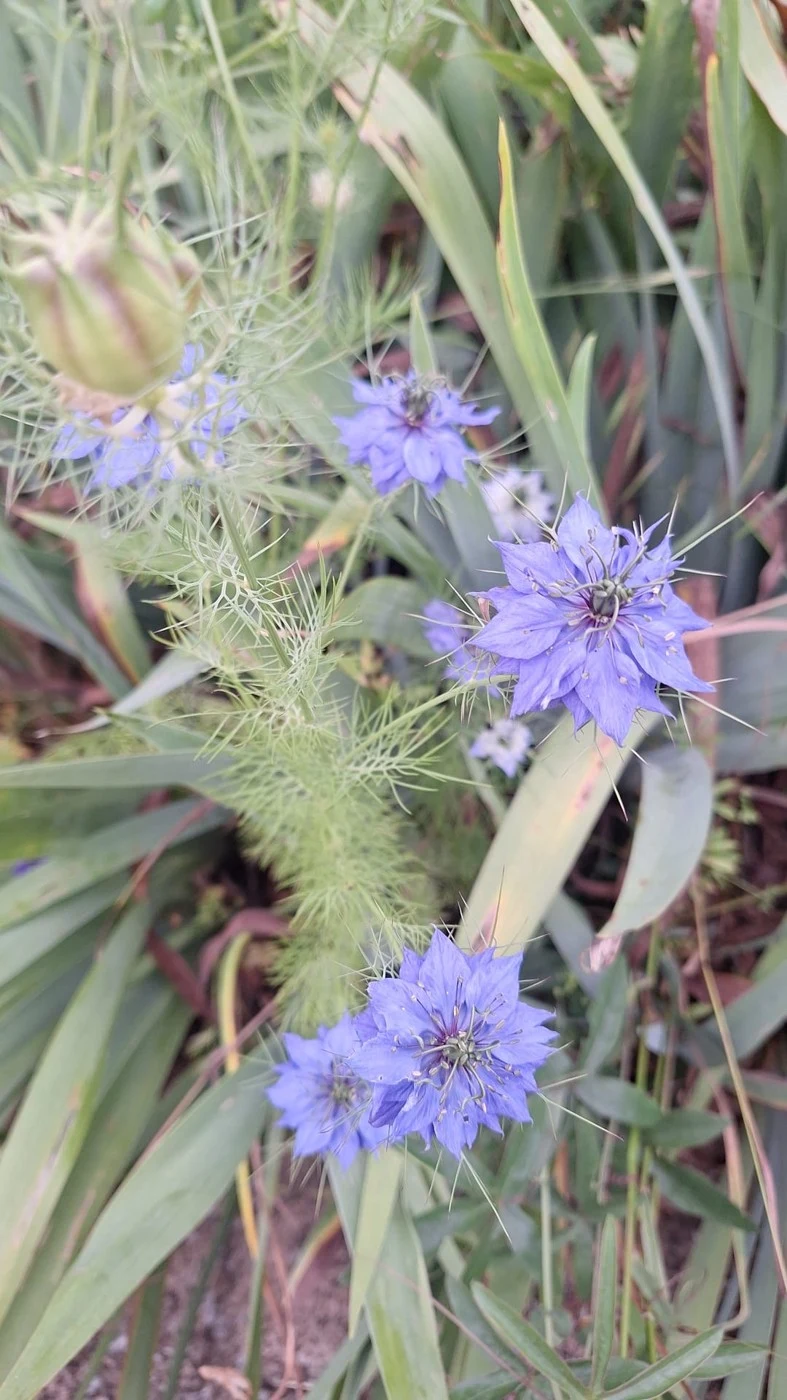
Meet the botanical
Nigella sativa L.
- Family
- Ranunculaceae
- Parts in focus
- Seeds and expressed fixed seed oil; concentrated extracts and essential oil are distinct
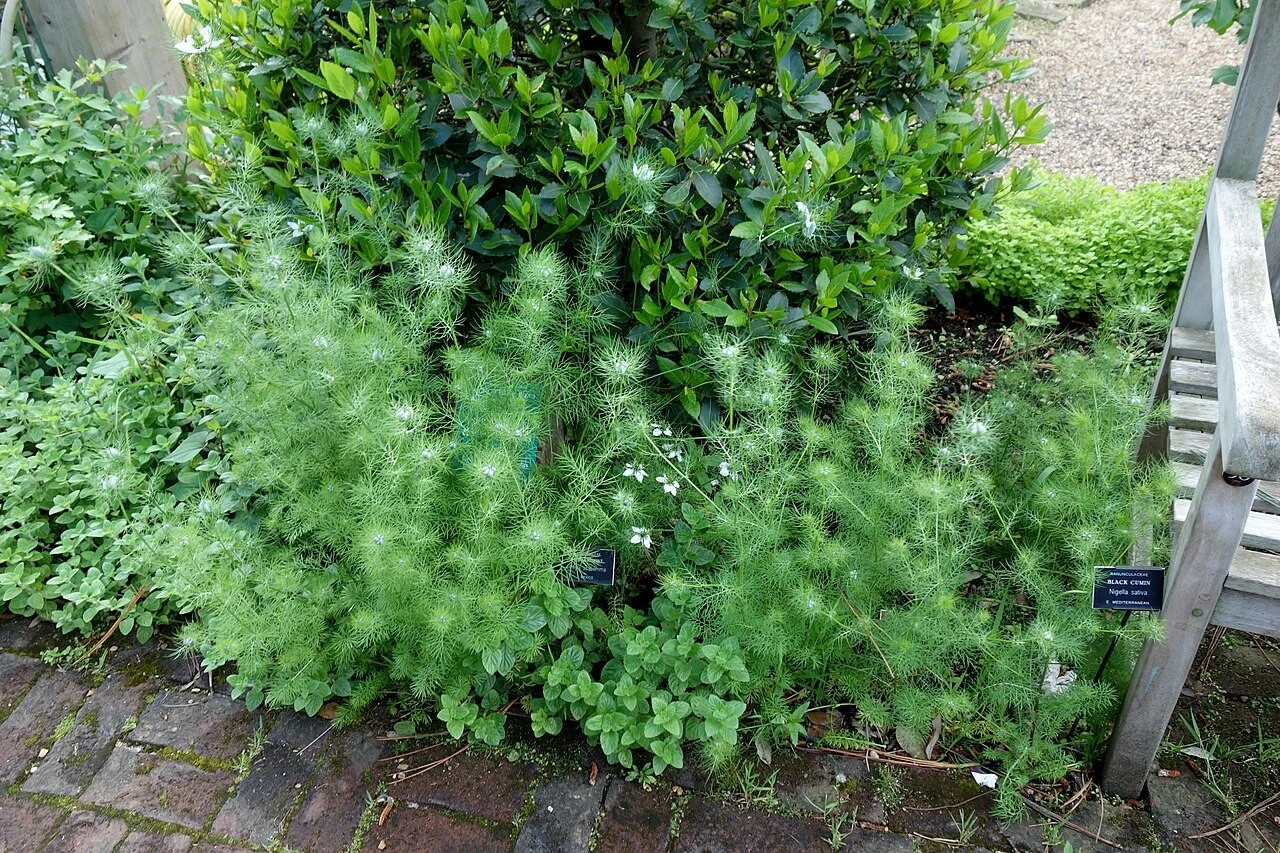
ⓘ Photograph credits
Nigella sativa · Daderot · Original photograph · CC0. Resized and converted to WebP; displayed with a crop. No generative edits.
Common uses
Traditional and everyday uses, at a glance.
| Common use | Part & preparation |
|---|---|
| Culinary flavor | Nigella seeds in bread, vegetables and savory dishes |
| Digestive traditions | Seed preparations |
| Traditional daily care | Identified black-seed oil products |
A short history
Nigella belongs to Middle Eastern and South Asian food and medicine. It has a particularly honored place in Islamic prophetic medicine, alongside Unani and Ayurvedic traditions.
Energy & character
Pungent, aromatic and warming to the palate, with a distinctly savory bitterness.
Symbolism
Within its living religious and family traditions, black seed can carry meanings of faith and inherited care. A familiar recipe may become an act of remembrance.
The research & references
What the studies tell us
The 2024 trial involved 65 men and tested thymoquinone-standardized oil with piperine for 15 days. It cannot establish the effect of every black-seed oil or nigella alone. Manufacturer affiliations, the short duration, and the combined formula are relevant context.
Care with this plant.
Gastrointestinal effects and topical allergic contact dermatitis can occur. Medicinal pregnancy and lactation safety is insufficiently established. Review glucose- or blood-pressure-lowering medicines; clinical interaction evidence is limited. Do not ingest essential oil or apply oil to eyes or inside the nose.
Research relates to the species, preparation, and people studied. Findings for an ingredient do not establish the effects of the complete featured formula.
Explore the sources
- Nigella: Herb Profile (HerbalGram 114)
- A randomized, double-blind, placebo-controlled study to evaluate the benefits of a standardized Nigella sativa oil containing 5% thymoquinone in reducing the symptoms of seasonal allergy
- Nigella Seed and Seed Oil: Botanical Adulterants Prevention Bulletin
- Black Seed — Drugs and Lactation Database (LactMed)
- Black Cumin Seed — LiverTox
About this article & supplement statements
These statements have not been evaluated by the Food and Drug Administration. These products are not intended to diagnose, treat, cure, or prevent any disease.
Medicine Wild offers botanical education from Dr. Michele Burklund’s naturopathic and functional medicine perspective. This article is for informational purposes and does not replace individual medical advice, diagnosis, or treatment. A qualified practitioner can help you choose care suited to your health history.
A little more to know
Questions about black cumin (black seed, nigella).
What is the botanical name of black cumin (black seed, nigella)?
Black Cumin (Black Seed, Nigella) is identified in this monograph as Nigella sativa L.. Its botanical family is Ranunculaceae.
Which parts of black cumin (black seed, nigella) are used?
Seeds and expressed fixed seed oil; concentrated extracts and essential oil are distinct
What does research say about black cumin (black seed, nigella)?
A 65-man, 15-day randomized trial found allergy symptom improvement with a particular thymoquinone-standardized nigella oil plus piperine. The short duration, all-male sample, combined formula and manufacturer affiliations limit generalization. Culinary use and spiritual tradition are presented separately.
What should I know before using black cumin (black seed, nigella)?
Gastrointestinal effects and topical allergic contact dermatitis can occur. Medicinal pregnancy and lactation safety is insufficiently established. Review glucose- or blood-pressure-lowering medicines; clinical interaction evidence is limited. Do not ingest essential oil or apply oil to eyes or inside the nose.
Where can I read the research on black cumin (black seed, nigella)?
These sources are included in the monograph’s reference list.