Cinnamon can make a simple bowl of oats or baked fruit feel especially satisfying. Its warm aroma comes from the bark of Cinnamomum trees. Beyond the kitchen, researchers have studied particular cinnamon preparations for their effects on glucose regulation.
- Digestive tradition
The blood-sugar question
A small controlled study in adults with prediabetes found lower glucose readings during a cinnamon intervention. Findings like this make cinnamon an interesting ingredient in metabolic research, where food, movement, sleep, and individual measurements all belong in the picture.
Start with flavor
Ceylon and cassia cinnamon have different botanical identities and compositions. At the table, the spice brings warmth and depth to both sweet and savory food—a lovely way to make nourishing meals more enjoyable.
Meet the botanical
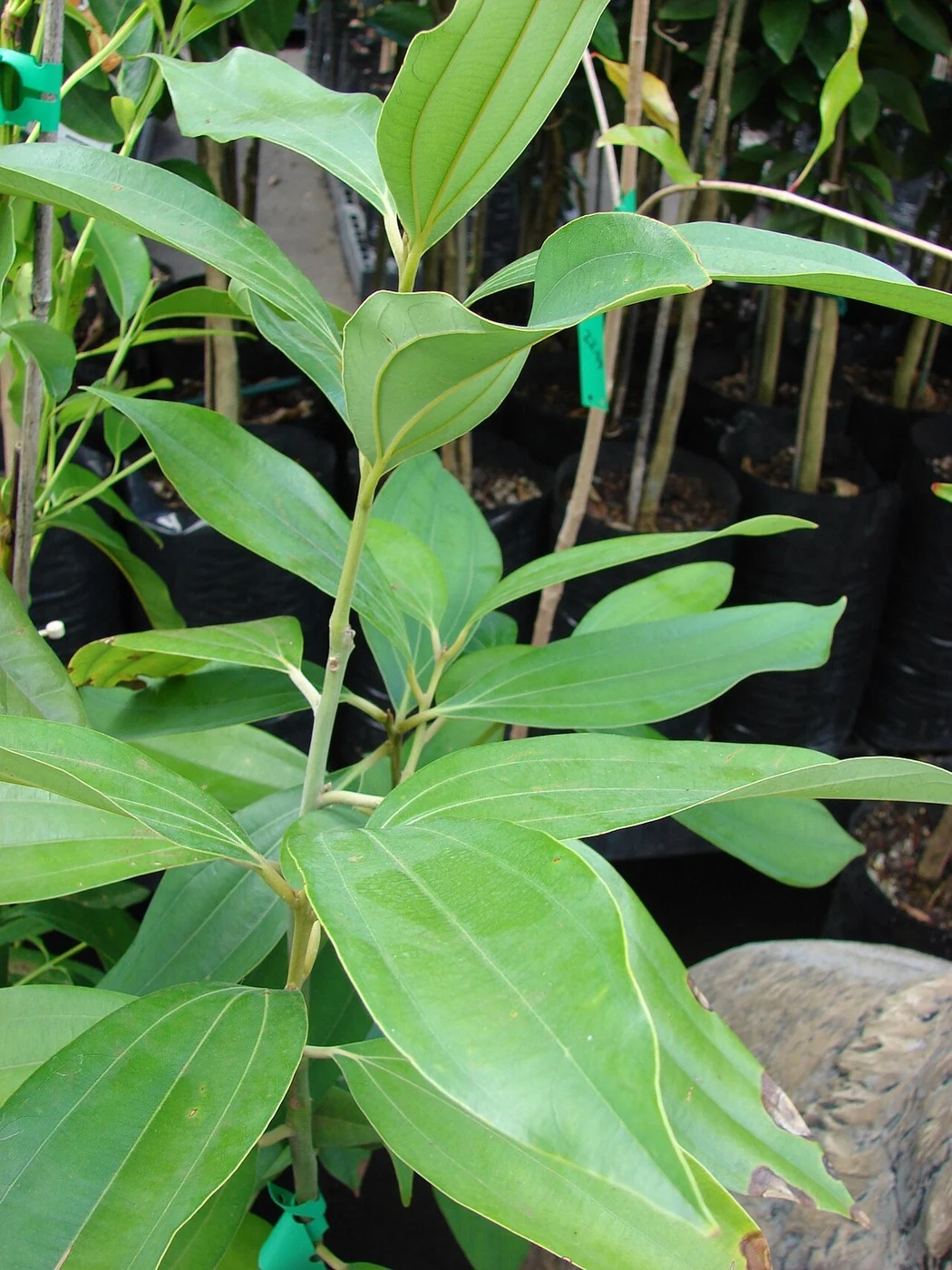
Cinnamomum verum J.Presl; cassia cinnamons include C. cassia (L.) J.Presl, C. burmannii (Nees & T.Nees) Blume, and C. loureiroi Nees
- Family
- Lauraceae
- Parts in focus
- Dried inner bark; culinary powder or quills and separately characterized bark extracts.
Common uses
Traditional and everyday uses, at a glance.
| Common use | Part & preparation |
|---|---|
| Flavor & kitchen warmth | Bark quills or ground spice |
| Digestive traditions | Small culinary amounts or identified bark preparations |
A short history
Cinnamon’s bark belongs to longstanding spice and herbal traditions. Different cinnamon species reach the kitchen, and their composition and customary uses are not identical.
Energy & character
Warm, sweet-smelling and gently pungent on the palate: a spice that gives a dish a sense of warmth.
Symbolism
As a personal symbol, cinnamon can evoke hospitality and welcome: the aroma of something prepared for another person.
The research & references
What the studies tell us
The 2024 crossover study included 18 participants and lasted four weeks per intervention. Other trials have reported different results. Cinnamon is not an established treatment for diabetes or its complications; prolonged high cassia exposure raises coumarin-related liver concerns.
Care with this plant.
Cassia coumarin is a concern with prolonged high exposure, especially in liver disease. Review concentrated use with medicines. Oils can irritate; avoid dry-powder ingestion challenges. Check current product-specific lead recalls.
Research relates to the species, preparation, and people studied. Findings for an ingredient do not establish the effects of the complete featured formula.
Explore the sources
- Cinnamon Supplementation Appears to Improve Cardiovascular Disease Risk Factors
- Cinnamon: Usefulness and Safety
- Effect of cinnamon spice on continuously monitored glycemic response in adults with prediabetes: a 4-week randomized controlled crossover trial
- FDA Alert Concerning Certain Cinnamon Products Due to Presence of Elevated Levels of Lead
About this article & supplement statements
These statements have not been evaluated by the Food and Drug Administration. These products are not intended to diagnose, treat, cure, or prevent any disease.
Medicine Wild offers botanical education from Dr. Michele Burklund’s naturopathic and functional medicine perspective. This article is for informational purposes and does not replace individual medical advice, diagnosis, or treatment. A qualified practitioner can help you choose care suited to your health history.
A little more to know
Questions about cinnamon.
What is the botanical name of cinnamon?
Cinnamon is identified in this monograph as Cinnamomum verum J.Presl; cassia cinnamons include C. cassia (L.) J.Presl, C. burmannii (Nees & T.Nees) Blume, and C. loureiroi Nees. Its botanical family is Lauraceae.
Which parts of cinnamon are used?
Dried inner bark; culinary powder or quills and separately characterized bark extracts.
What does research say about cinnamon?
Small trials suggest effects on some glucose measures, but species, preparation, and results vary. No established diabetes-prevention or complication benefit; culinary and supplement exposures are differentiated.
What should I know before using cinnamon?
Cassia coumarin is a concern with prolonged high exposure, especially in liver disease. Review concentrated use with medicines. Oils can irritate; avoid dry-powder ingestion challenges. Check current product-specific lead recalls.
Where can I read the research on cinnamon?
These sources are included in the monograph’s reference list.