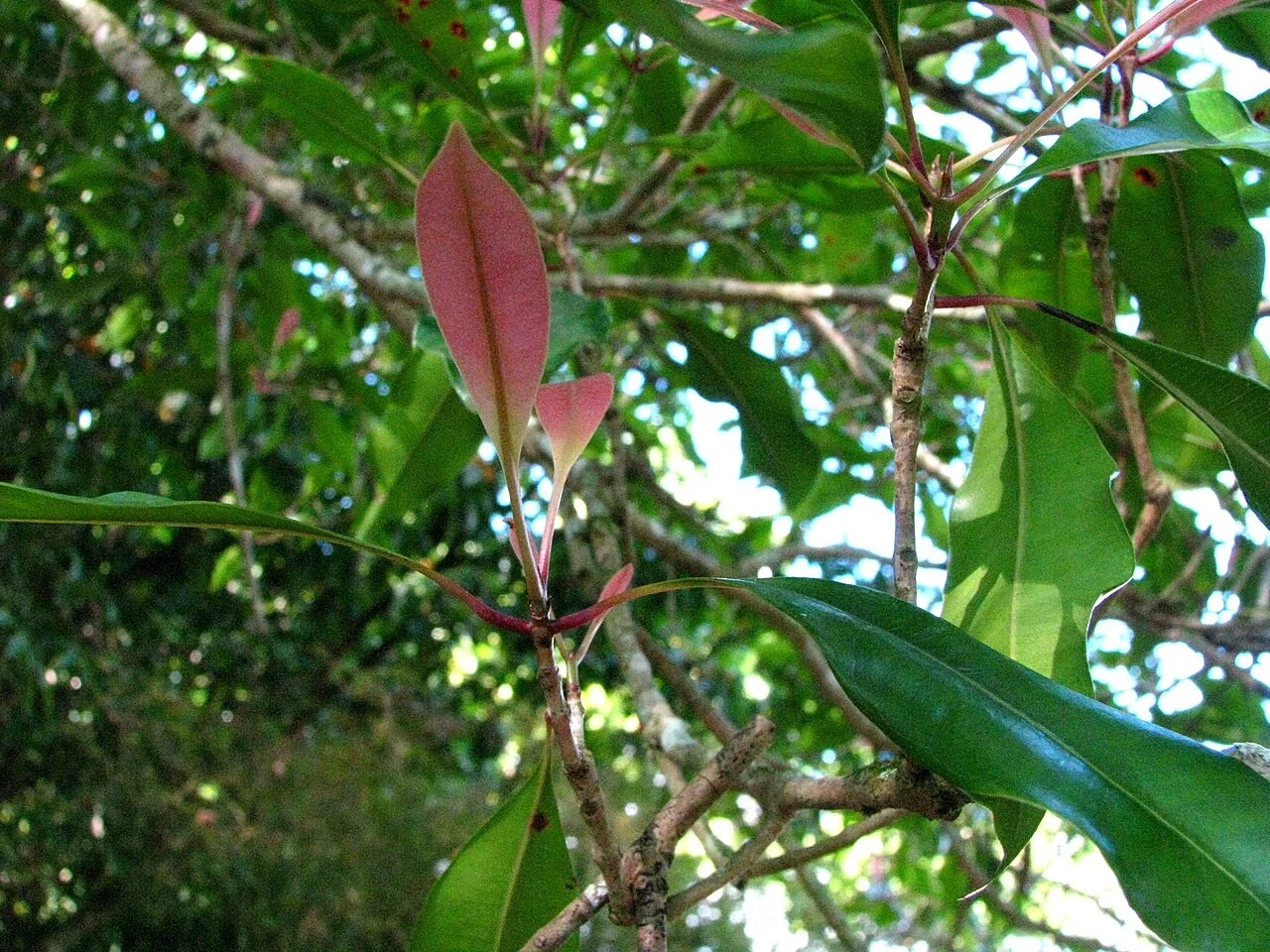
Clove has an unmistakable personality: warm, spicy, and deeply aromatic. These dried flower buds come from Syzygium aromaticum. One of their characteristic compounds, eugenol, helps explain clove’s long association with oral comfort.
- Digestive tradition
A focused local role
Eugenol has a history in dental materials, and a small human study found that a specifically prepared clove gel reduced needle-related oral pain. It is a useful glimpse into how a plant ingredient can be studied for a particular local purpose.
Let the formula guide you
Culinary cloves bring depth to food, while finished oral-care products give the ingredient a different role. The whole formula and its intended application are the details that connect clove’s herbal reputation with the product in your hand.
Meet the botanical
Syzygium aromaticum (L.) Merr. & L.M.Perry
- Family
- Myrtaceae
- Parts in focus
- Dried unopened flower buds; distilled bud oil is a separate concentrated preparation.
Common uses
Traditional and everyday uses, at a glance.
| Common use | Part & preparation |
|---|---|
| Culinary warmth | Dried flower buds, whole or ground |
| Digestive traditions | Small culinary amounts of the spice |
| Dental preparations | Professionally formulated eugenol products |
A short history
Clove’s aromatic buds link spice traditions with a separate history in dentistry, where eugenol-containing preparations have been used for local purposes.
Energy & character
Intensely aromatic, pungent and warming on the palate. A small amount has a powerful presence.
Symbolism
For reflection, clove can symbolize concentrated attention: a reminder that a small, deliberate gesture can change the character of a moment.
The research & references
What the studies tell us
The trial tested a particular topical gel before needle insertion. It did not show that clove treats cavities, infection, or the cause of dental pain. Concentrated clove oil can burn tissue or cause poisoning and should not be used as a homemade teething remedy.
Care with this plant.
No swallowed essential-oil dose or DIY gum/teething application. Concentrated oil can irritate or poison; medicinal pregnancy/lactation safety is inadequate. Dental infection symptoms require timely care.
Research relates to the species, preparation, and people studied. Findings for an ingredient do not establish the effects of the complete featured formula.
Explore the sources
About this article & supplement statements
These statements have not been evaluated by the Food and Drug Administration. These products are not intended to diagnose, treat, cure, or prevent any disease.
Medicine Wild offers botanical education from Dr. Michele Burklund’s naturopathic and functional medicine perspective. This article is for informational purposes and does not replace individual medical advice, diagnosis, or treatment. A qualified practitioner can help you choose care suited to your health history.
A little more to know
Questions about clove.
What is the botanical name of clove?
Clove is identified in this monograph as Syzygium aromaticum (L.) Merr. & L.M.Perry. Its botanical family is Myrtaceae.
Which parts of clove are used?
Dried unopened flower buds; distilled bud oil is a separate concentrated preparation.
What does research say about clove?
A small trial supports local anesthetic activity of a specific clove gel. Historical dental use does not establish treatment of cavities, infection, or systemic disease. Culinary buds and essential oil are distinct.
What should I know before using clove?
No swallowed essential-oil dose or DIY gum/teething application. Concentrated oil can irritate or poison; medicinal pregnancy/lactation safety is inadequate. Dental infection symptoms require timely care.
Where can I read the research on clove?
These sources are included in the monograph’s reference list.