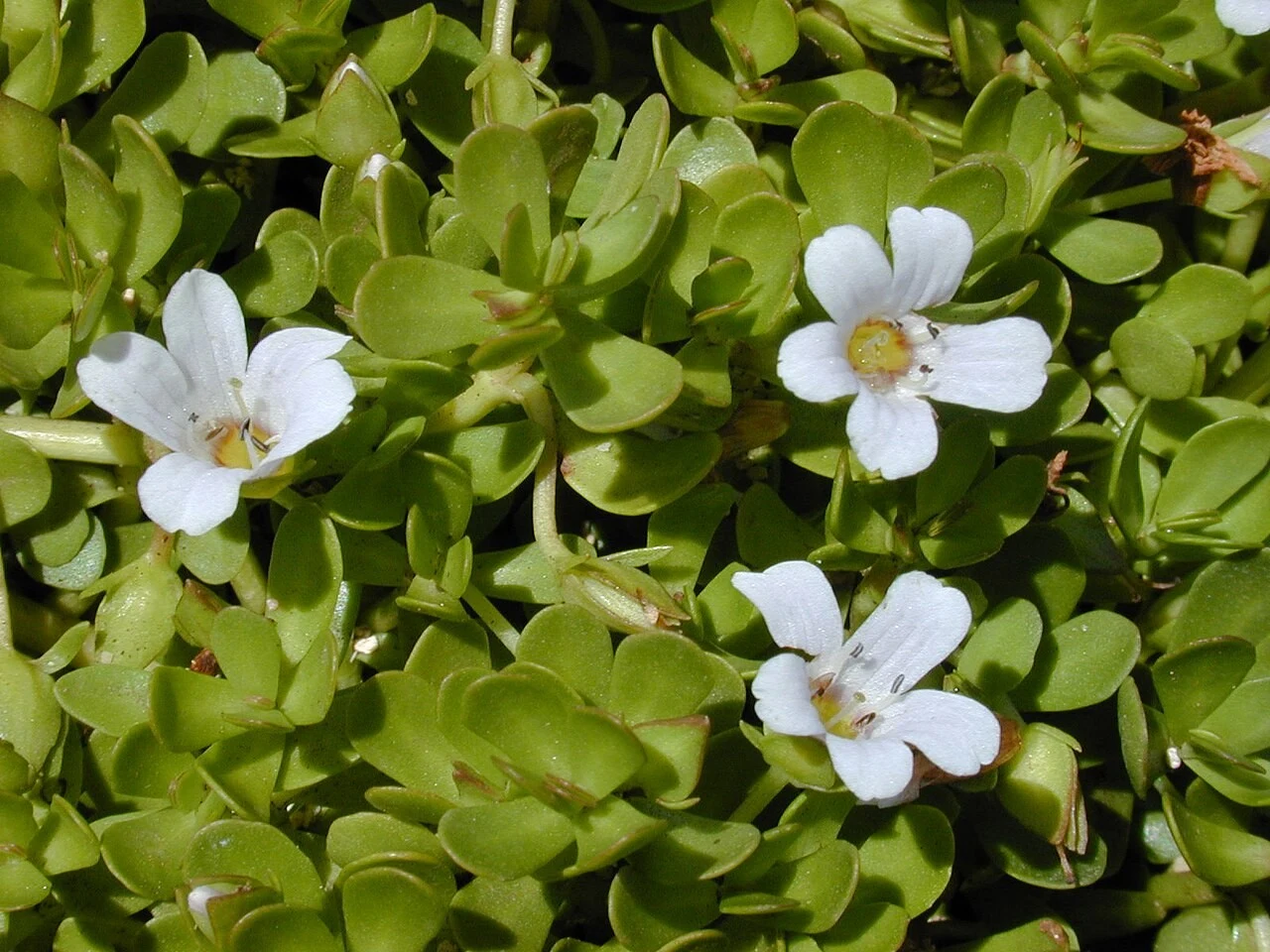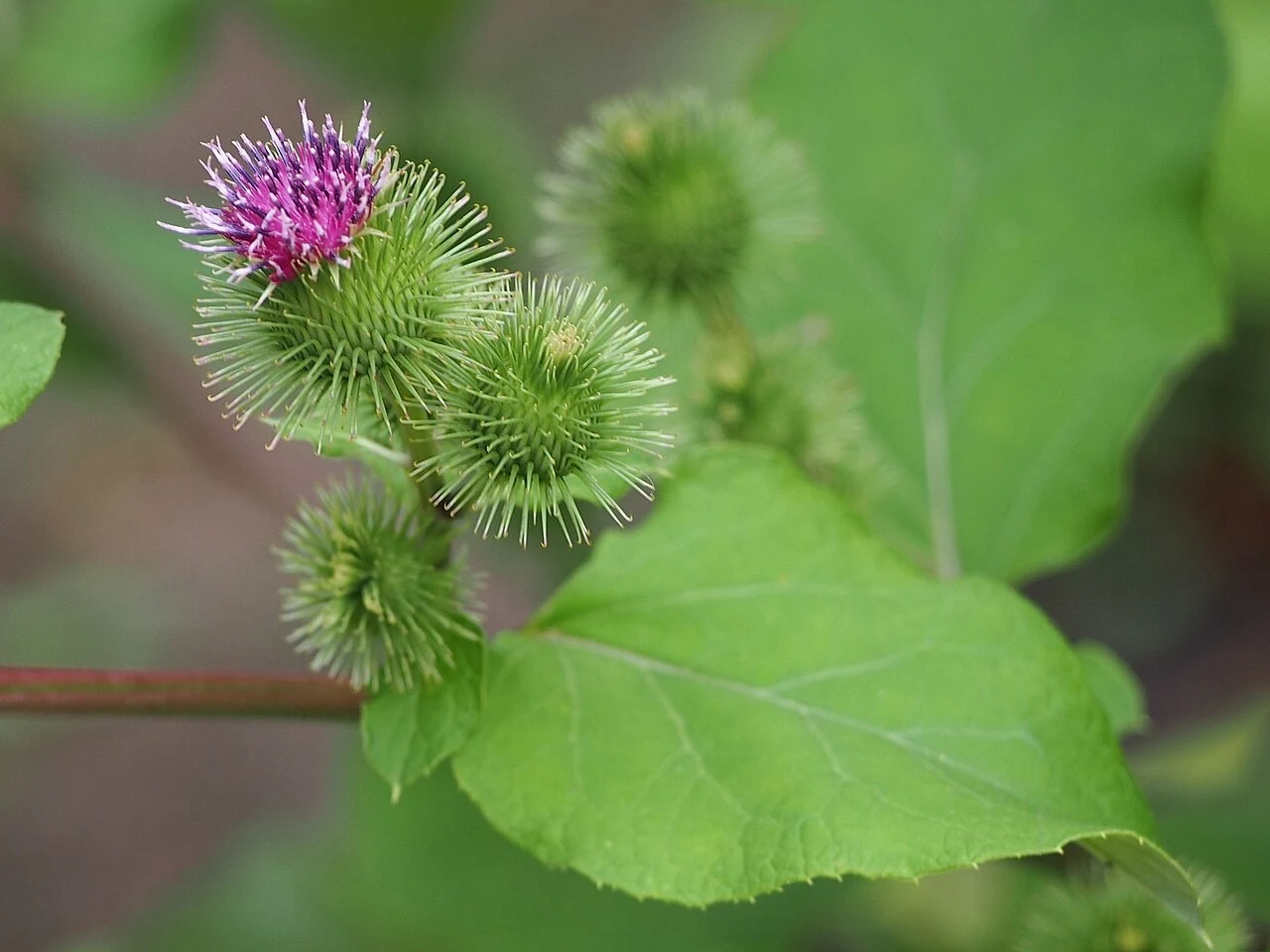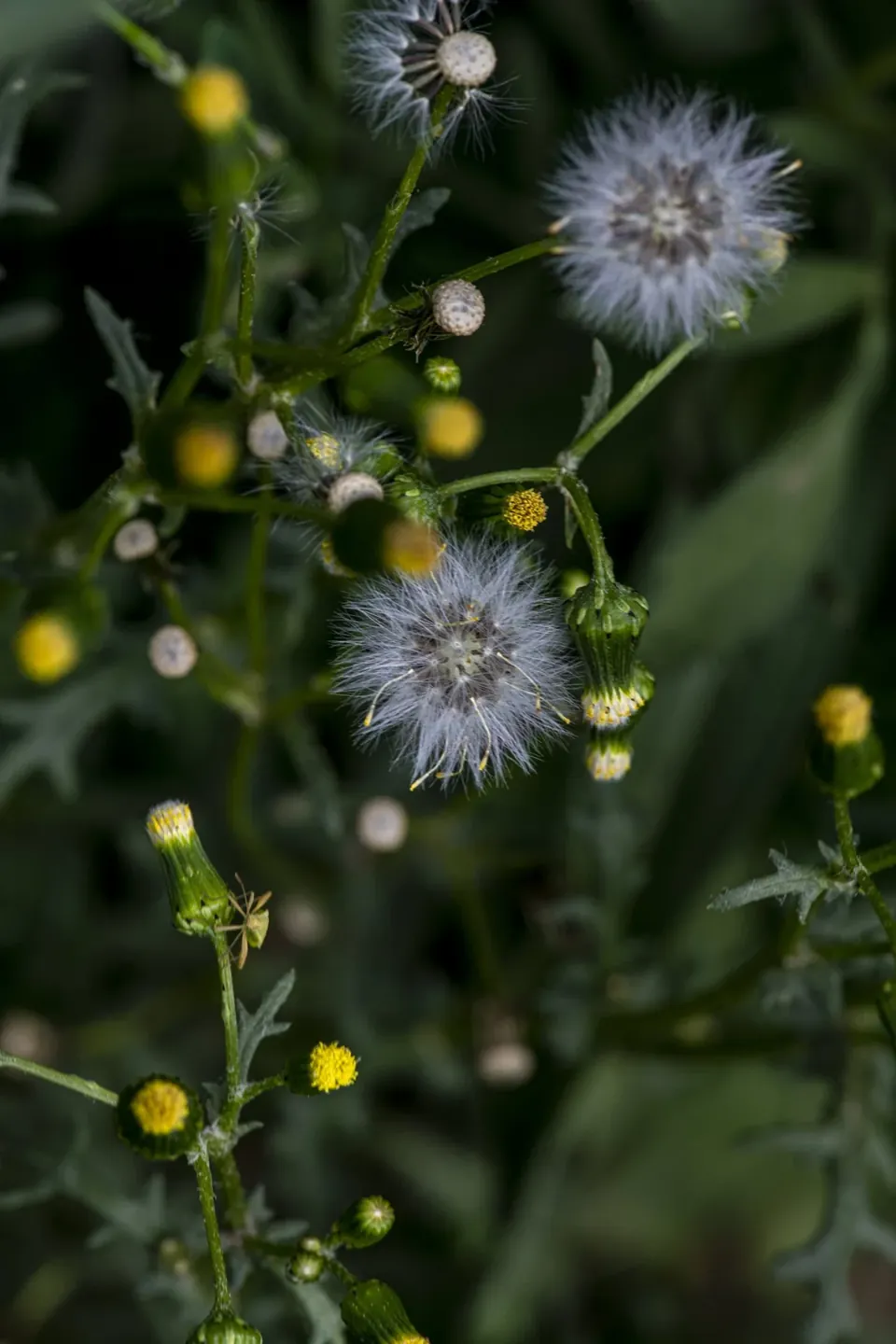
Dandelion deserves a second look beyond the lawn. Its root has a long place in European herbal care for low appetite, fullness, and sluggish-feeling digestion. The bitter taste is part of what gives this sunny plant its apothecary identity.
- Bitter tradition
- Urinary traditions
- Traditional nourishment
Meet the digestive bitter
Traditional dandelion-root preparations are used around mild digestive discomfort. This is the root’s particular story: an earthy, bitter botanical associated with appetite and the way a meal settles.
One plant, several possibilities
Dandelion also gives us edible greens and roasted-root beverages, each with its own character. In an extract, the plant part matters. A clearly identified root preparation keeps the digestive tradition at the center of the choice.
From the plant to my apothecary
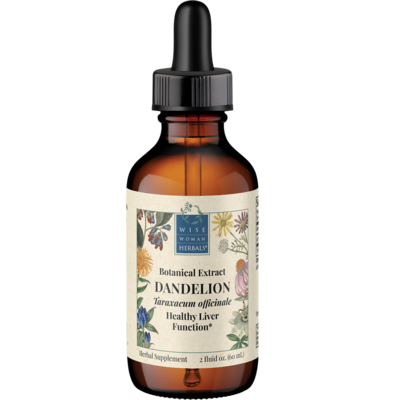
My selection.
This liquid extract keeps the focus on dandelion’s bitter root. I chose it as a clear expression of the traditional digestive story, with the plant part named directly on the label.
I may earn income from purchases through my Fullscript shop.
Meet the botanical
Taraxacum officinale F.H. Wigg.
- Family
- Asteraceae
- Parts in focus
- Leaf as food or leaf preparations; root in teas and extracts
Common uses
Traditional and everyday uses, at a glance.
| Common use | Part & preparation |
|---|---|
| Seasonal food | Identified edible leaves and other food-grade preparations |
| Appetite & digestion | Root preparations and bitters |
| Urinary traditions | Specified leaf or root preparations |
A short history
Dandelion’s reputation as a spring tonic grew alongside seasonal greens and bitter foods. Leaf, root and combined preparations have distinct places in food and herbal traditions.
Energy & character
Bitter and lively in the leaf; earthier in the root. Its spring-tonic character is associated with renewal.
Symbolism
For reflection, dandelion can stand for returning: ordinary life reappearing after a difficult season, often in an overlooked place.
The research & references
What the studies tell us
Root indications rest on traditional use. A small, uncontrolled one-day study investigated urinary effects of a leaf extract; it does not establish a root benefit or whole-body detoxification. Bile-duct and gallbladder conditions, fluid restriction, and medicines require review.
Care with this plant.
Biliary disease, Asteraceae allergy, fluid restriction, pregnancy/lactation, and medicines affecting fluid balance require caution; urinary red flags and jaundice need assessment.
Research relates to the species, preparation, and people studied. Findings for an ingredient do not establish the effects of the complete featured formula.
Explore the sources
About this article & supplement statements
These statements have not been evaluated by the Food and Drug Administration. These products are not intended to diagnose, treat, cure, or prevent any disease.
Medicine Wild offers botanical education from Dr. Michele Burklund’s naturopathic and functional medicine perspective. This article is for informational purposes and does not replace individual medical advice, diagnosis, or treatment. A qualified practitioner can help you choose care suited to your health history.
A little more to know
Questions about dandelion.
What is the botanical name of dandelion?
Dandelion is identified in this monograph as Taraxacum officinale F.H. Wigg.. Its botanical family is Asteraceae.
Which parts of dandelion are used?
Leaf as food or leaf preparations; root in teas and extracts
What does research say about dandelion?
Leaf evidence includes a one-day uncontrolled diuresis pilot; root indications rest on traditional use. No detoxification or disease-treatment efficacy is established.
What should I know before using dandelion?
Biliary disease, Asteraceae allergy, fluid restriction, pregnancy/lactation, and medicines affecting fluid balance require caution; urinary red flags and jaundice need assessment.
Where can I read the research on dandelion?
These sources are included in the monograph’s reference list.