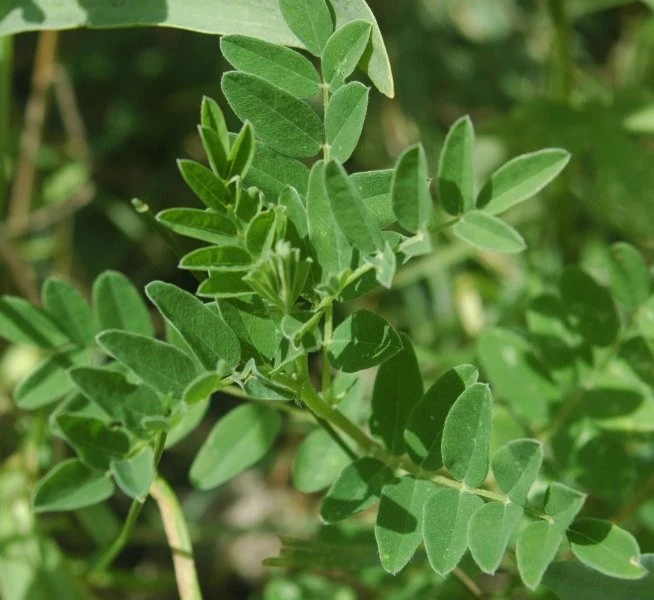
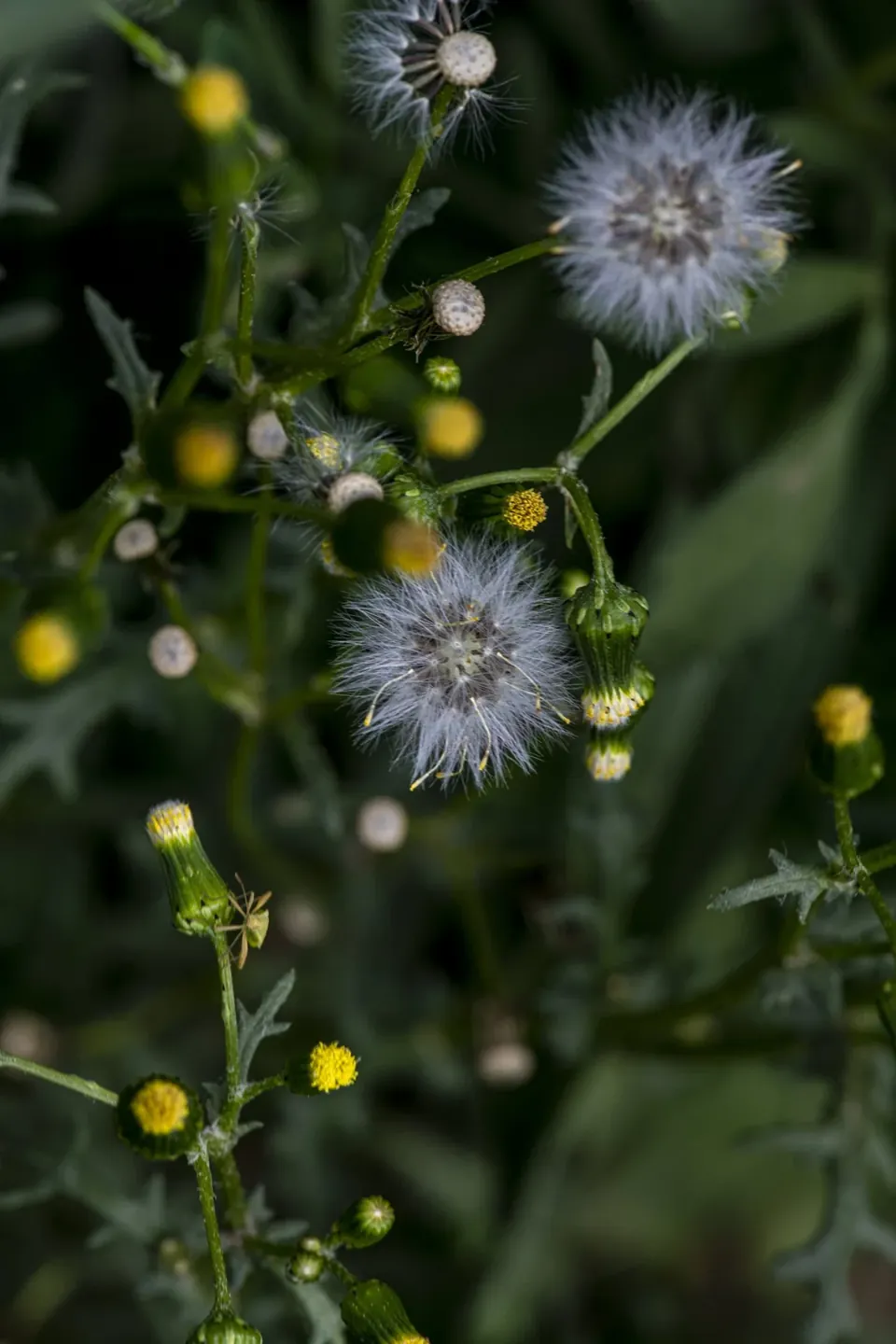
Elderberry brings deep color and a pleasantly tart character to the seasonal apothecary. The ripe fruit of Sambucus nigra has long been prepared in foods and syrups. Its popularity in the colder months has also inspired research into respiratory symptoms.
- Immune research & tradition
- Traditional nourishment
A berry worth understanding
Its dark pigments are called anthocyanins, part of the plant chemistry that makes these berries interesting. Some small studies of particular preparations have reported encouraging symptom findings, although the clinical picture is still developing.
Choose your form
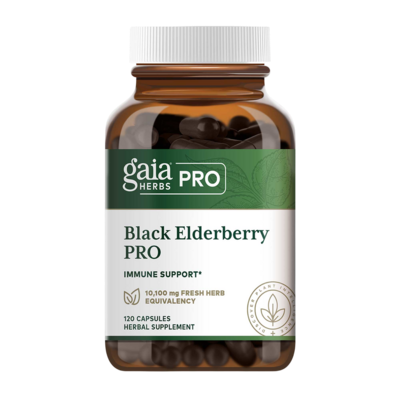
A prepared syrup and a fruit-extract capsule offer different ways of meeting elderberry. Flavor, the full ingredient list, and the form you enjoy all help shape a routine that feels easy to return to.
From the plant to my apothecary
My selection.
I chose this capsule form for a simple way to explore the prepared berry. The collection also includes an elderberry syrup, bringing a different texture and experience to the same seasonal tradition.
Another preparation in my collection
I may earn income from purchases through my Fullscript shop.
Meet the botanical
Sambucus nigra L.
- Family
- Viburnaceae (also known as Adoxaceae)
- Parts in focus
- Ripe fruit, properly cooked or commercially processed; flowers are a distinct preparation
Common uses
Traditional and everyday uses, at a glance.
| Common use | Part & preparation |
|---|---|
| Food & seasonal drinks | Properly cooked berries or commercially prepared products |
| Cold-season traditions | Prepared berry syrups or extracts |
A short history
Elderberry belongs to household traditions of cooked fruit, preserves and seasonal drinks. Preparing the berries properly is part of the knowledge passed along with those recipes.
Energy & character
Deeply colored, fruity and tart, with a comforting place in a warm seasonal drink.
Symbolism
For a personal ritual, elderberry can represent being looked after: a prepared cup, a slower evening, and a place to rest.
The research & references
What the studies tell us
Respiratory studies are small and inconsistent. A placebo-controlled trial in 87 patients with confirmed influenza found no meaningful benefit for severity or duration. Elderberry is not established as infection prevention or treatment, and it should not delay care for significant symptoms.
Care with this plant.
Raw or unripe berries, leaves and stems may cause cyanide-related toxicity; use properly processed identified products. Supplement pregnancy, breastfeeding, medication and pediatric safety require review. Do not delay care for serious respiratory symptoms.
Research relates to the species, preparation, and people studied. Findings for an ingredient do not establish the effects of the complete featured formula.
Explore the sources
About this article & supplement statements
These statements have not been evaluated by the Food and Drug Administration. These products are not intended to diagnose, treat, cure, or prevent any disease.
Medicine Wild offers botanical education from Dr. Michele Burklund’s naturopathic and functional medicine perspective. This article is for informational purposes and does not replace individual medical advice, diagnosis, or treatment. A qualified practitioner can help you choose care suited to your health history.
A little more to know
Questions about elderberry.
What is the botanical name of elderberry?
Elderberry is identified in this monograph as Sambucus nigra L.. Its botanical family is Viburnaceae (also known as Adoxaceae).
Which parts of elderberry are used?
Ripe fruit, properly cooked or commercially processed; flowers are a distinct preparation
What does research say about elderberry?
Small respiratory studies have produced preliminary signals, but a randomized trial in 87 patients with confirmed influenza found no meaningful benefit for symptom severity or duration. Food enjoyment is distinct from infection prevention or treatment.
What should I know before using elderberry?
Raw or unripe berries, leaves and stems may cause cyanide-related toxicity; use properly processed identified products. Supplement pregnancy, breastfeeding, medication and pediatric safety require review. Do not delay care for serious respiratory symptoms.
Where can I read the research on elderberry?
These sources are included in the monograph’s reference list.