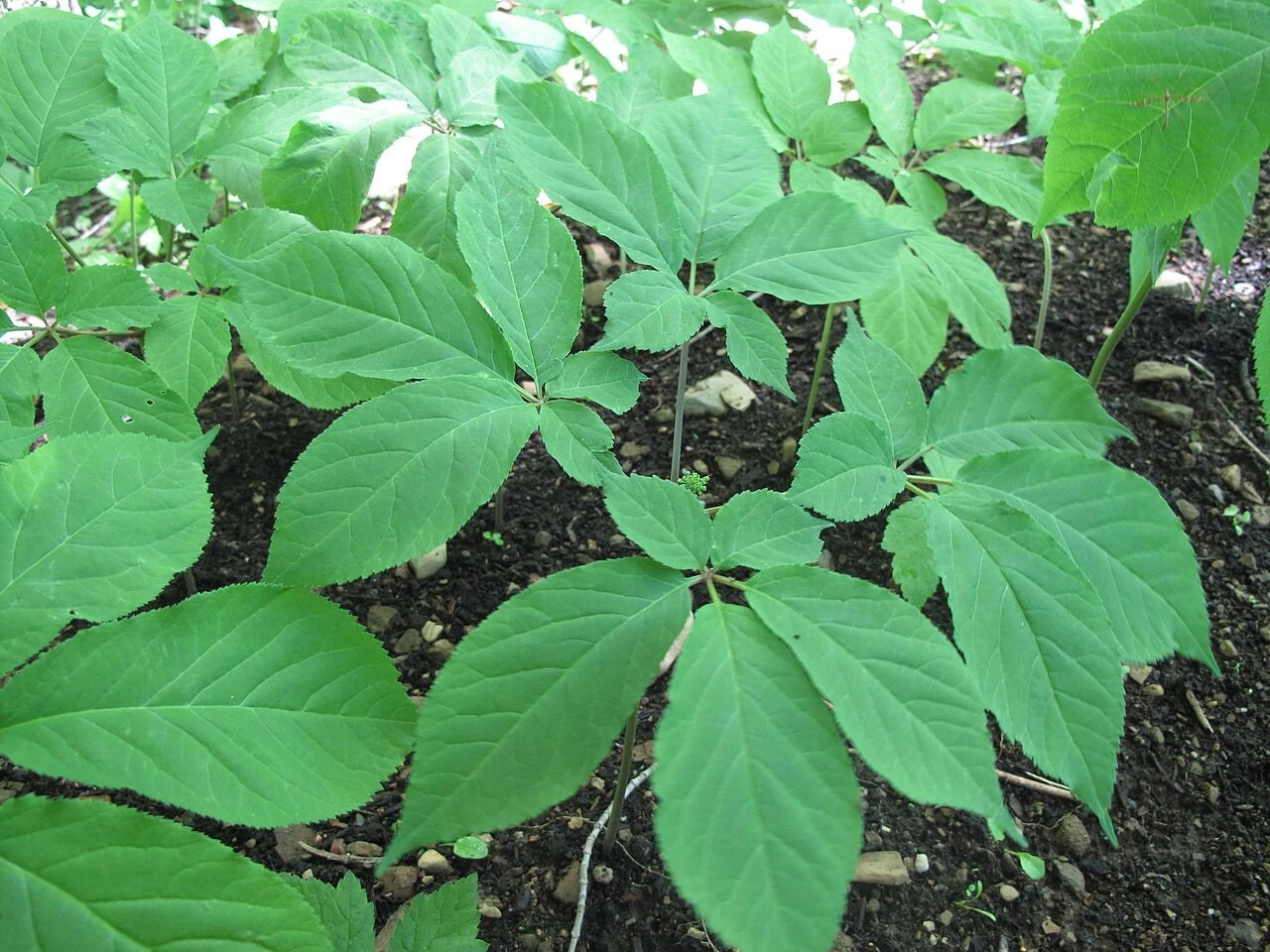
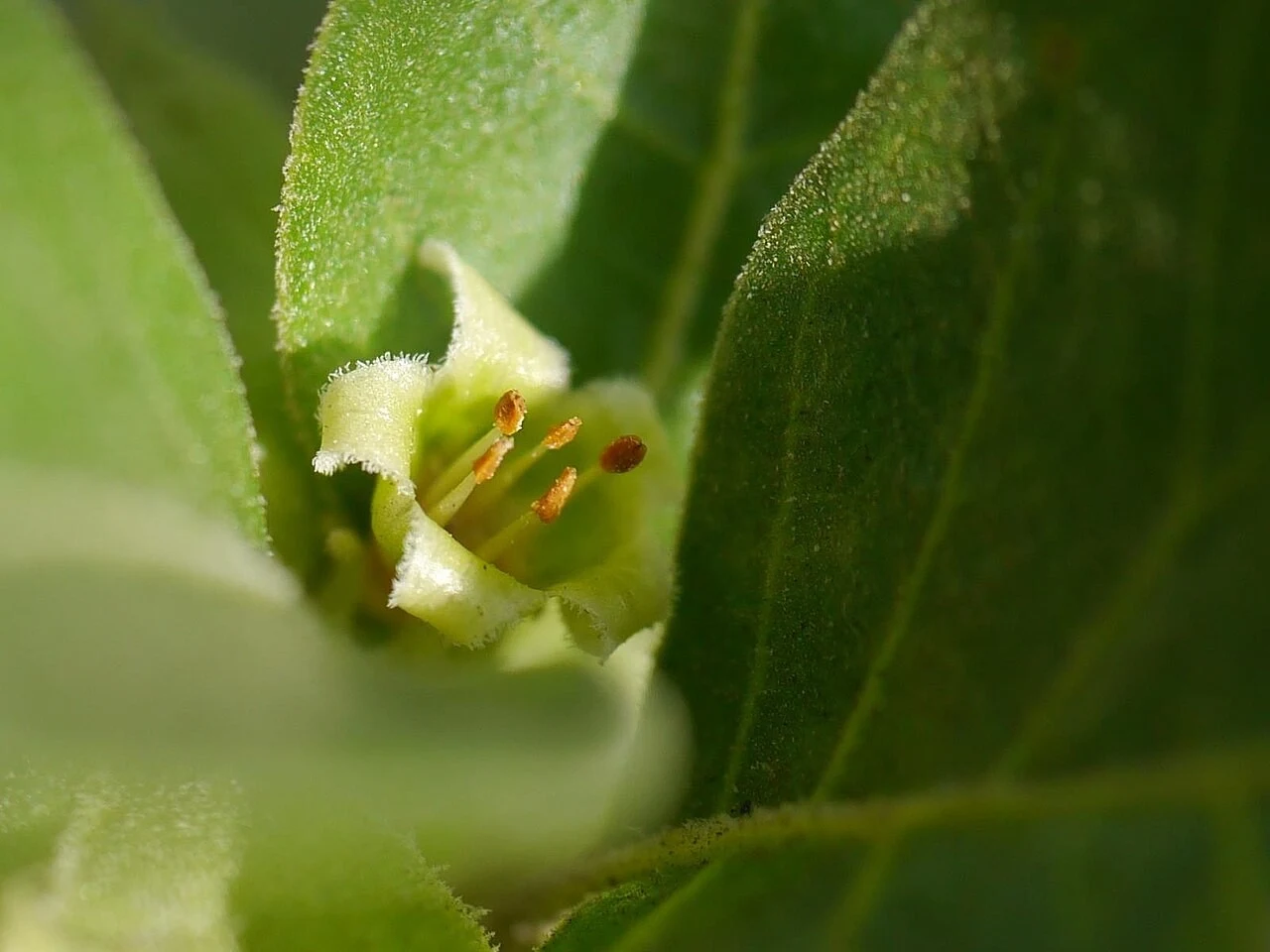
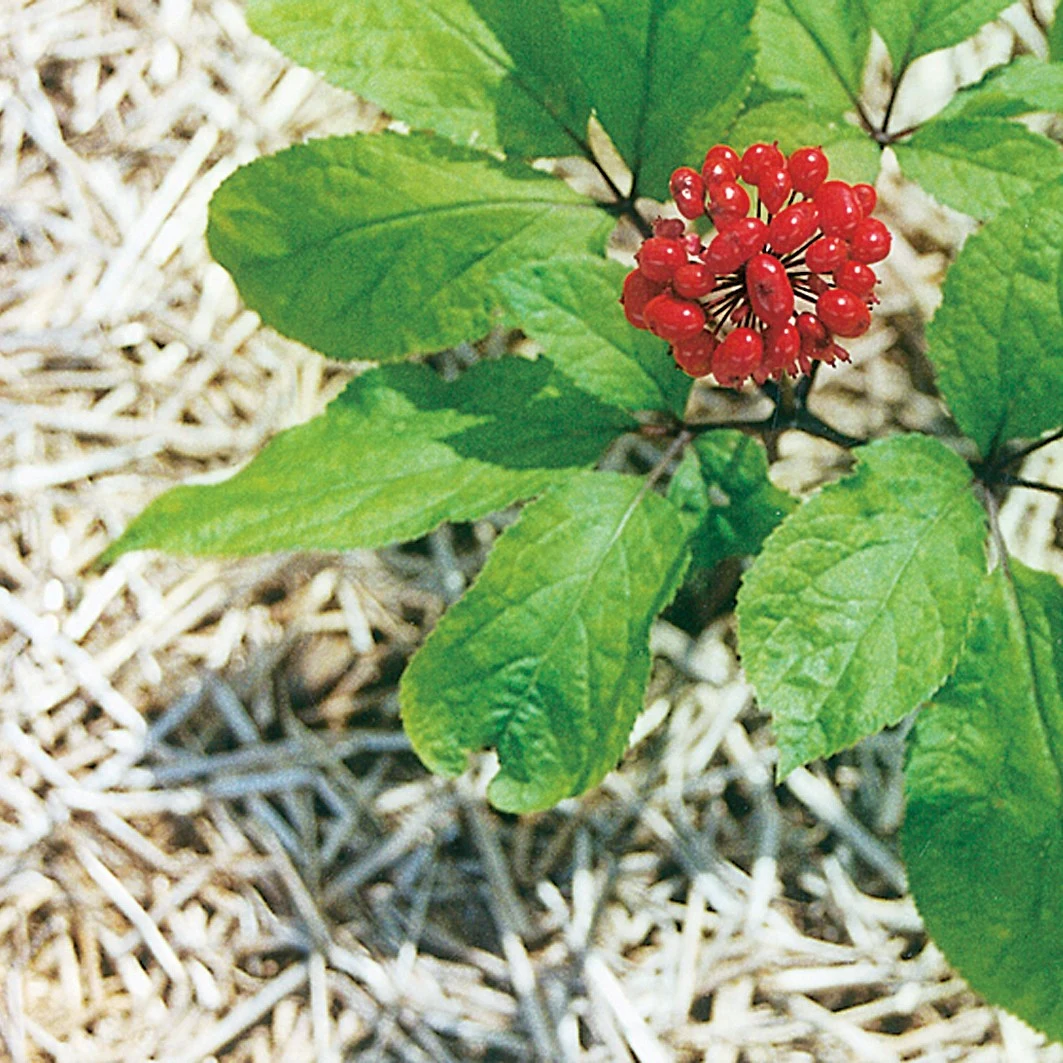
Eleuthero belongs to a herbal tradition concerned with resilience: meeting the day, recovering, and finding a steadier rhythm. The root of Eleutherococcus senticosus has traditionally been used during periods of tiredness and weakness.
- Adaptogenic tradition
A restorative kind of energy
Its appeal is the idea of rebuilding capacity over time. Often grouped with adaptogens, eleuthero is associated with the response to everyday demands. Traditional use is the main foundation for this role; the human research remains limited.
Make replenishment practical
Regular meals, movement that suits your energy, and enough sleep give restorative care somewhere to begin. A clearly identified root preparation keeps the botanical choice simple and connects it to the tiredness you are hoping to understand.
From the plant to my apothecary
My selection.
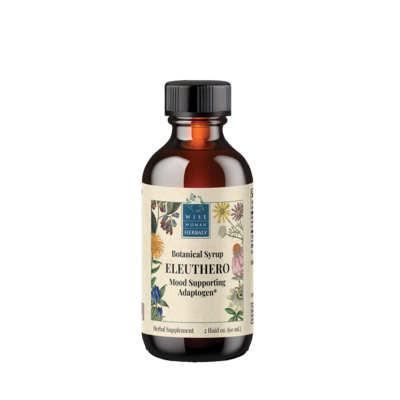
The solid-extract format gives this traditional tonic a rich, distinctive preparation. I chose it for readers exploring eleuthero’s restorative story and the idea of rebuilding everyday reserves.
I may earn income from purchases through my Fullscript shop.
Meet the botanical
Eleutherococcus senticosus
- Family
- Araliaceae
- Parts in focus
- Root, as dried root or a defined extract.
Common uses
Traditional and everyday uses, at a glance.
| Common use | Part & preparation |
|---|---|
| Tonic traditions | Identified root preparations |
| Temporary weakness & fatigue | Specified root products |
A short history
Eleuthero’s herbal identity centers on tonic use and daily capacity. Although once marketed as Siberian ginseng, it is a different plant from the Panax ginsengs.
Energy & character
Woody and steady in character, associated with the tonic idea of rebuilding capacity over time.
Symbolism
For reflection, eleuthero can symbolize endurance with a rhythm: allowing recovery to be part of strength.
The research & references
What the studies tell us
EMA recognizes traditional use for tiredness and weakness. A randomized chronic-fatigue trial did not find a significant benefit across the full study group; this does not establish a universal energy or performance effect.
Care with this plant.
Insomnia, irritability, headache, tachycardia; pregnancy/lactation/child data insufficient; cardiovascular and medication review; persistent fatigue assessment.
Research relates to the species, preparation, and people studied. Findings for an ingredient do not establish the effects of the complete featured formula.
Explore the sources
About this article & supplement statements
These statements have not been evaluated by the Food and Drug Administration. These products are not intended to diagnose, treat, cure, or prevent any disease.
Medicine Wild offers botanical education from Dr. Michele Burklund’s naturopathic and functional medicine perspective. This article is for informational purposes and does not replace individual medical advice, diagnosis, or treatment. A qualified practitioner can help you choose care suited to your health history.
A little more to know
Questions about eleuthero.
What is the botanical name of eleuthero?
Eleuthero is identified in this monograph as Eleutherococcus senticosus. Its botanical family is Araliaceae.
Which parts of eleuthero are used?
Root, as dried root or a defined extract.
What does research say about eleuthero?
Traditional fatigue/weakness use; a 96-person trial did not show a significant overall advantage over placebo. Subgroup or combination-product results do not establish eleuthero-alone efficacy.
What should I know before using eleuthero?
Insomnia, irritability, headache, tachycardia; pregnancy/lactation/child data insufficient; cardiovascular and medication review; persistent fatigue assessment.
Where can I read the research on eleuthero?
These sources are included in the monograph’s reference list.