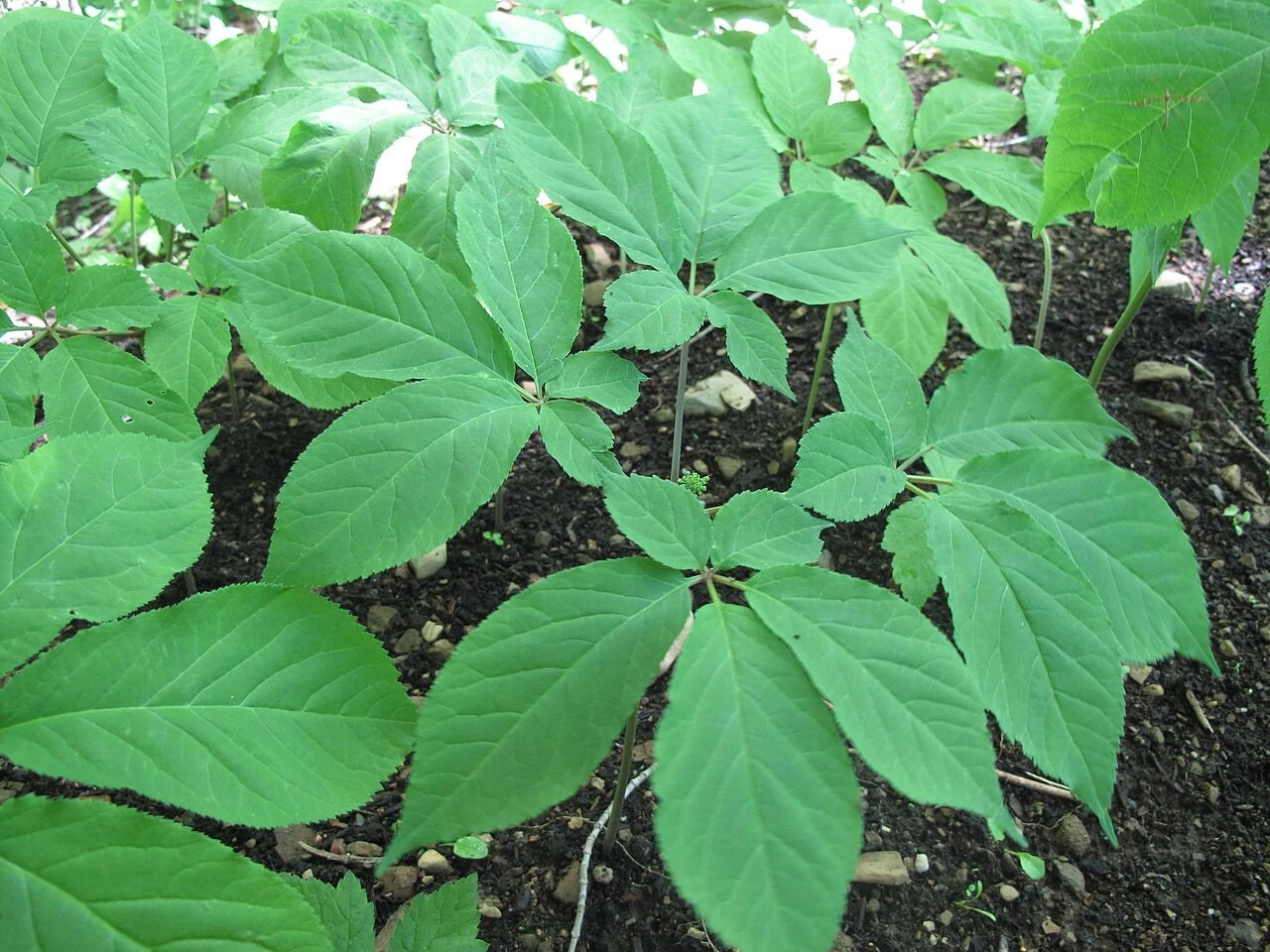
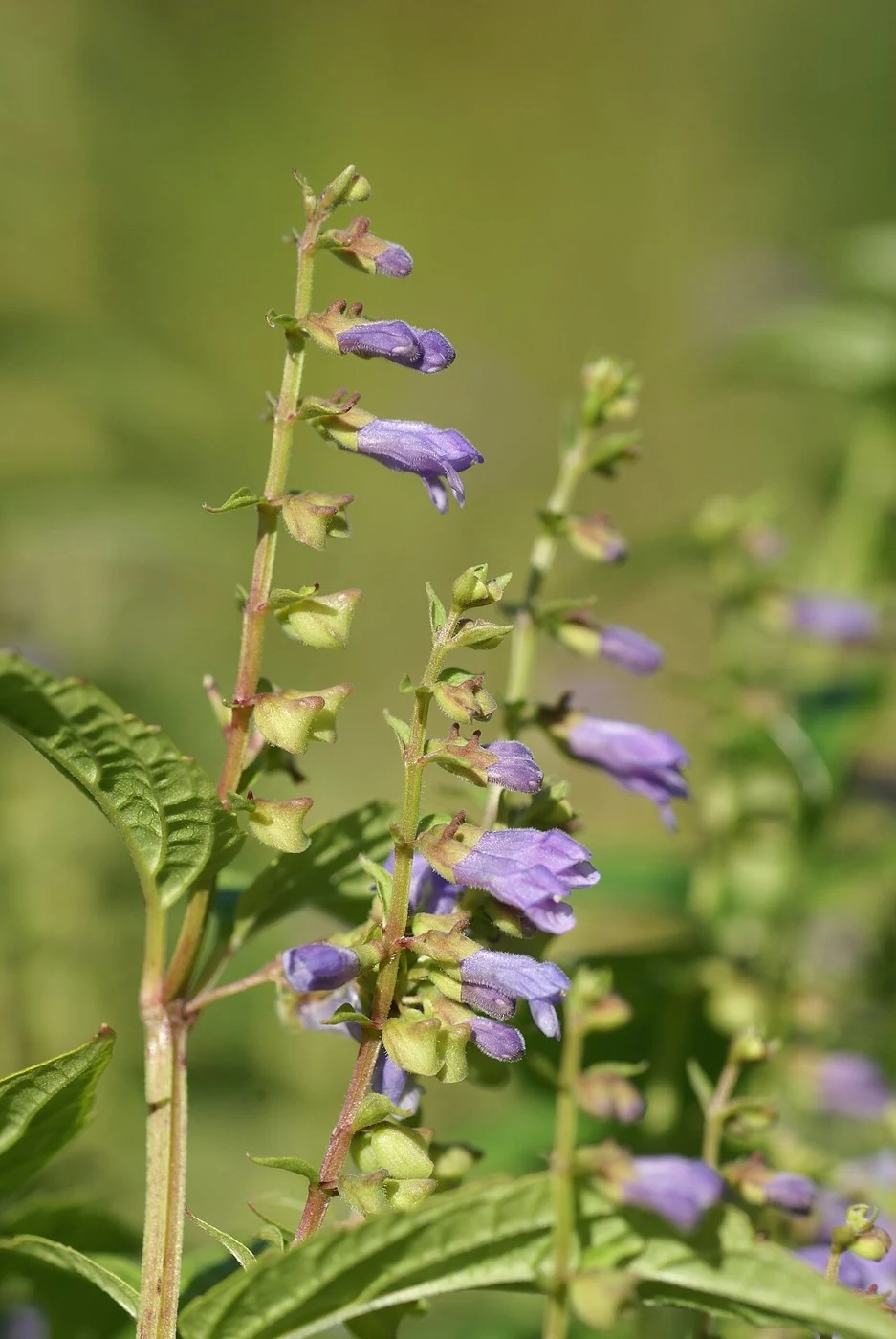
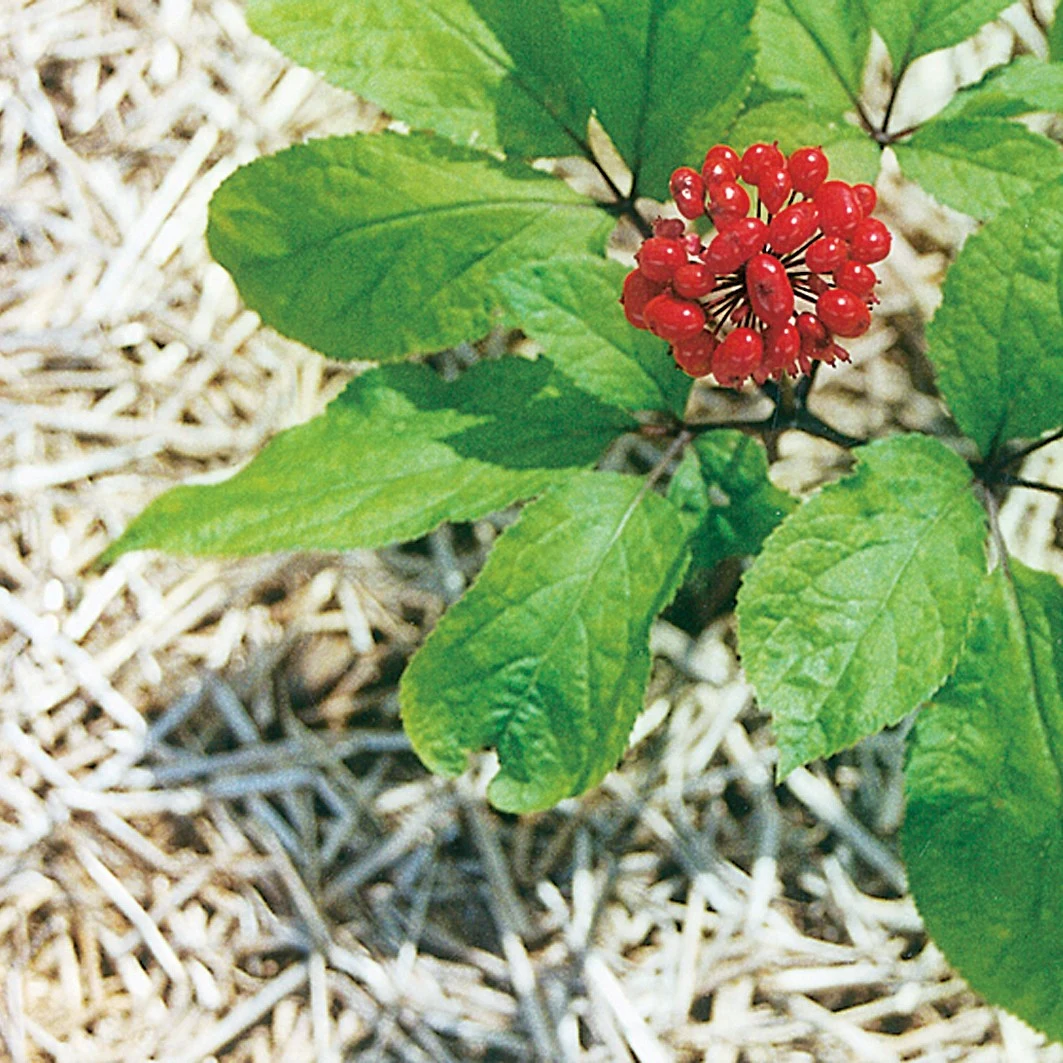
European mistletoe grows on host trees, forming green clusters that stay visible through winter. Viscum album has a long place in traditional medicine and a modern research history involving specialized preparations in integrative care.
A different kind of herbal story
Much of the clinical work has explored injected extracts in supervised cancer-care settings. It remains a developing area with significant evidence limitations. The research section explains those findings and why the preparation matters so much.
An educational place in the collection
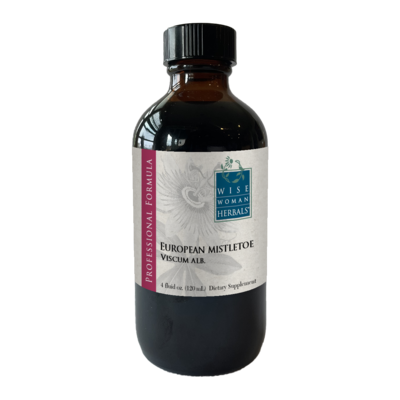
The Botanical Edit includes a restricted mistletoe listing whose public product page is unavailable. This profile provides botanical background and research context for a specialized discussion; the preparation is not offered for self-use here.
A restricted preparation
For supervised care.
This restricted preparation remains in the collection as an educational reference. Its public product page is unavailable; specialized use belongs in an individual practitioner-led discussion.
Public product unavailable · Educational reference only
Meet the botanical
Viscum album
- Family
- Santalaceae
- Parts in focus
- Leaves and other plant material appear in specialized preparations; oral products and injected extracts are not interchangeable.
Common uses
Traditional and everyday uses, at a glance.
| Common use | Part & preparation |
|---|---|
| Historical botanical medicine | Historical context; not instructions for home preparation |
| Specialized clinical research | Predominantly injected extracts under professional supervision |
A short history
European mistletoe has a centuries-long place in traditional medicine. Its contemporary clinical research largely involves specialized, professionally administered extracts.
Energy & character
Evergreen growth held within a host tree offers an image of interdependence. This is a poetic reading, not a therapeutic claim.
Symbolism
For personal reflection, mistletoe can represent connection and the importance of receiving care within a wider circle.
The research & references
What the studies tell us
Most clinical studies have evaluated injected extracts, often in cancer care. Important methodological limitations prevent firm conclusions. Those studies do not establish the safety or effectiveness of an oral tincture, and mistletoe should not replace established cancer care.
Care with this plant.
Do not ingest raw mistletoe leaves or berries or self-prescribe an oral extract. Serious toxicity and allergic reactions are possible. Avoid during pregnancy; safety during breastfeeding is not established. Discuss any specialized mistletoe treatment with the clinicians responsible for your care.
Research relates to the species, preparation, and people studied. Findings for an ingredient do not establish the effects of the complete featured formula.
Explore the sources
About this article & supplement statements
These statements have not been evaluated by the Food and Drug Administration. These products are not intended to diagnose, treat, cure, or prevent any disease.
Medicine Wild offers botanical education from Dr. Michele Burklund’s naturopathic and functional medicine perspective. This article is for informational purposes and does not replace individual medical advice, diagnosis, or treatment. A qualified practitioner can help you choose care suited to your health history.
A little more to know
Questions about european mistletoe.
What is the botanical name of european mistletoe?
European Mistletoe is identified in this monograph as Viscum album. Its botanical family is Santalaceae.
Which parts of european mistletoe are used?
Leaves and other plant material appear in specialized preparations; oral products and injected extracts are not interchangeable.
What does research say about european mistletoe?
Most clinical studies have evaluated injected extracts, often in cancer care. Important methodological limitations prevent firm conclusions. Those studies do not establish the safety or effectiveness of an oral tincture, and mistletoe should not replace established cancer care.
What should I know before using european mistletoe?
Do not ingest raw mistletoe leaves or berries or self-prescribe an oral extract. Serious toxicity and allergic reactions are possible. Avoid during pregnancy; safety during breastfeeding is not established. Discuss any specialized mistletoe treatment with the clinicians responsible for your care.
Where can I read the research on european mistletoe?
These sources are included in the monograph’s reference list.