Fennel’s gently sweet, anise-like flavor makes it an inviting digestive herb. The little pieces we call seeds are actually dried fruits. In European herbal medicine, sweet fennel has traditionally been used for occasional gas, bloating, and mild digestive cramping.
- Digestive tradition
Aromatic comfort
Fennel belongs to a group of herbs called carminatives, traditionally used to ease gas and the discomfort that comes with it. Its fragrant oils help give the fruit both its recognizable taste and its place in the apothecary.
Bring it to the table
The culinary seed lends warmth to vegetables, soups, and other everyday dishes. Tea and extracts offer different preparations of the same plant. Fennel’s story is an especially approachable introduction to the connection between flavor and digestion.
Meet the botanical
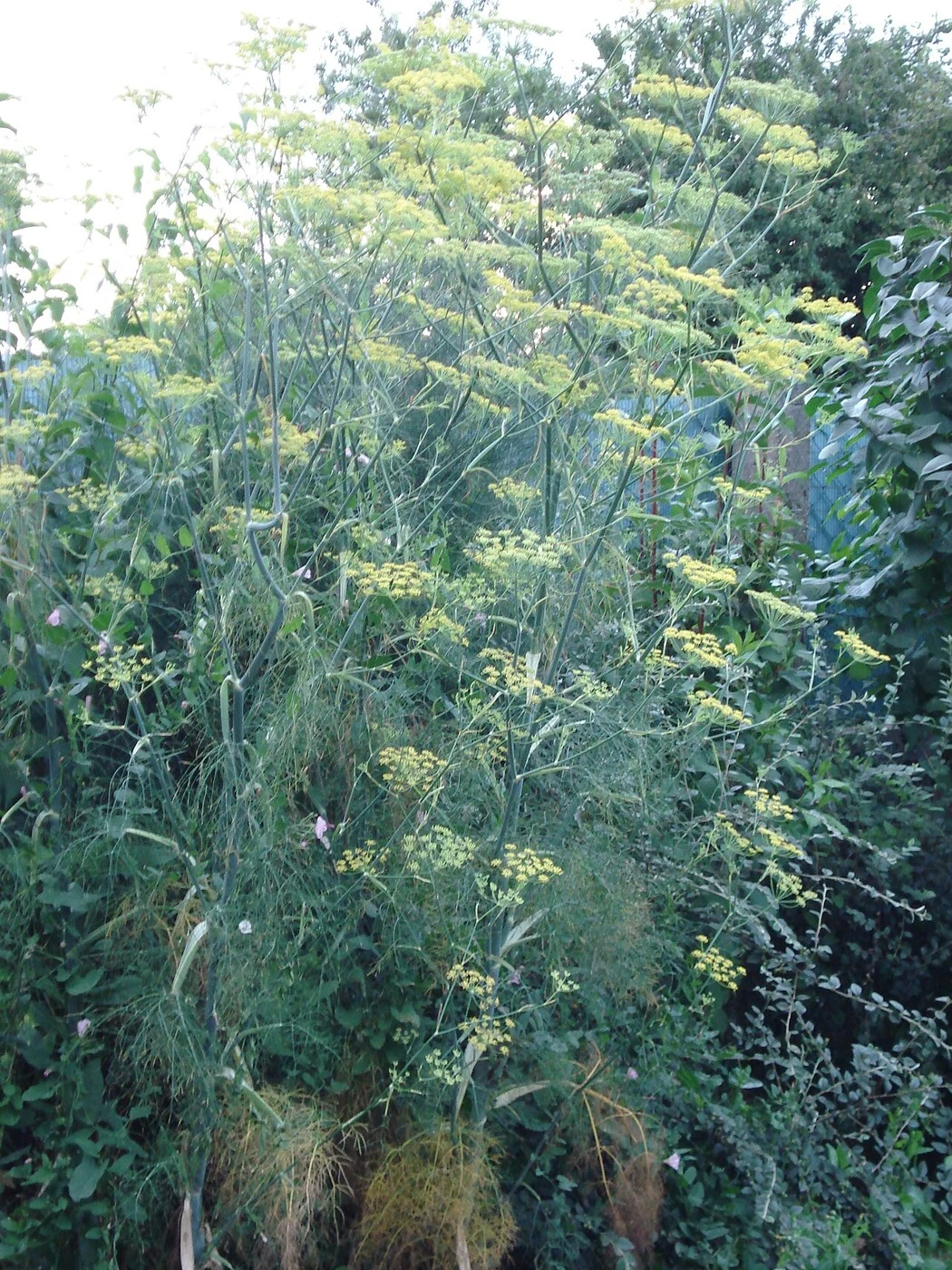
Foeniculum vulgare Mill.
- Family
- Apiaceae
- Parts in focus
- Dried fruits, commonly called seeds; culinary bulb and fronds are distinct food parts
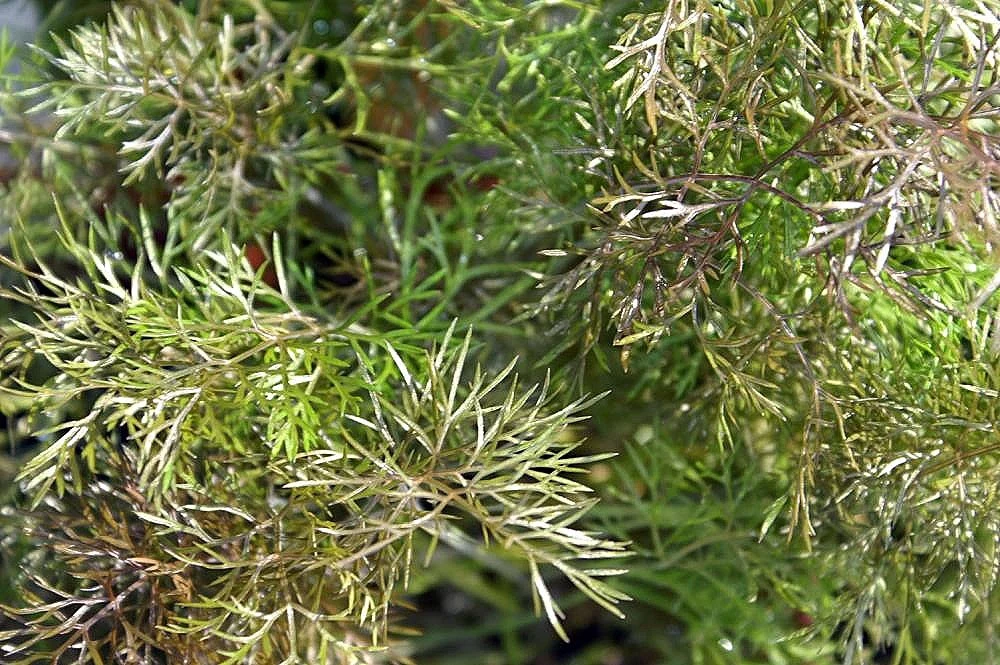
ⓘ Photograph credits
Foeniculum vulgare · Photo by David J. Stang · Original photograph · CC BY-SA 4.0. Resized and converted to WebP; displayed with a crop. No generative edits.
Common uses
Traditional and everyday uses, at a glance.
| Common use | Part & preparation |
|---|---|
| Kitchen flavor | Seeds in savory foods and spice blends |
| After-meal comfort | Seed preparations or an appropriately prepared infusion |
| Digestive traditions | Identified fennel-fruit products |
A short history
Fennel connects Mediterranean and South Asian kitchens with longstanding digestive traditions. Its place in Ayurveda includes the language of agni, or digestive fire.
Energy & character
Sweetly aromatic and aniselike, with a gentle warmth that belongs comfortably around a meal.
Symbolism
For a personal ritual, fennel can mark a satisfying finish: taking time to complete a meal before moving on.
The research & references
What the studies tell us
EMA’s digestive indications rest on longstanding traditional use. Clinical trials remain limited, and findings from essential-oil or laboratory experiments should not be transferred to every fennel preparation.
Care with this plant.
Distinguish culinary food from concentrated oil or repeated medicinal tea. Avoid medicinal pregnancy/lactation use and infant home remedies; Apiaceae allergy and incomplete interaction data warrant care.
Research relates to the species, preparation, and people studied. Findings for an ingredient do not establish the effects of the complete featured formula.
Explore the sources
About this article & supplement statements
These statements have not been evaluated by the Food and Drug Administration. These products are not intended to diagnose, treat, cure, or prevent any disease.
Medicine Wild offers botanical education from Dr. Michele Burklund’s naturopathic and functional medicine perspective. This article is for informational purposes and does not replace individual medical advice, diagnosis, or treatment. A qualified practitioner can help you choose care suited to your health history.
A little more to know
Questions about fennel.
What is the botanical name of fennel?
Fennel is identified in this monograph as Foeniculum vulgare Mill.. Its botanical family is Apiaceae.
Which parts of fennel are used?
Dried fruits, commonly called seeds; culinary bulb and fronds are distinct food parts
What does research say about fennel?
Traditional digestive use is recognized by EMA; rigorous clinical efficacy evidence remains limited. EFSA 2025 material is explicitly a draft-assessment communication, not a final opinion.
What should I know before using fennel?
Distinguish culinary food from concentrated oil or repeated medicinal tea. Avoid medicinal pregnancy/lactation use and infant home remedies; Apiaceae allergy and incomplete interaction data warrant care.
Where can I read the research on fennel?
These sources are included in the monograph’s reference list.