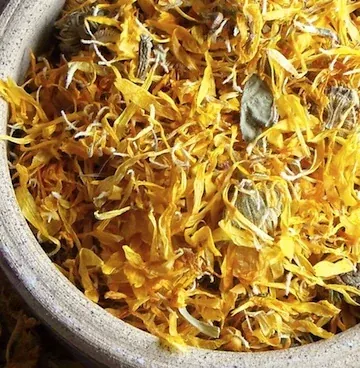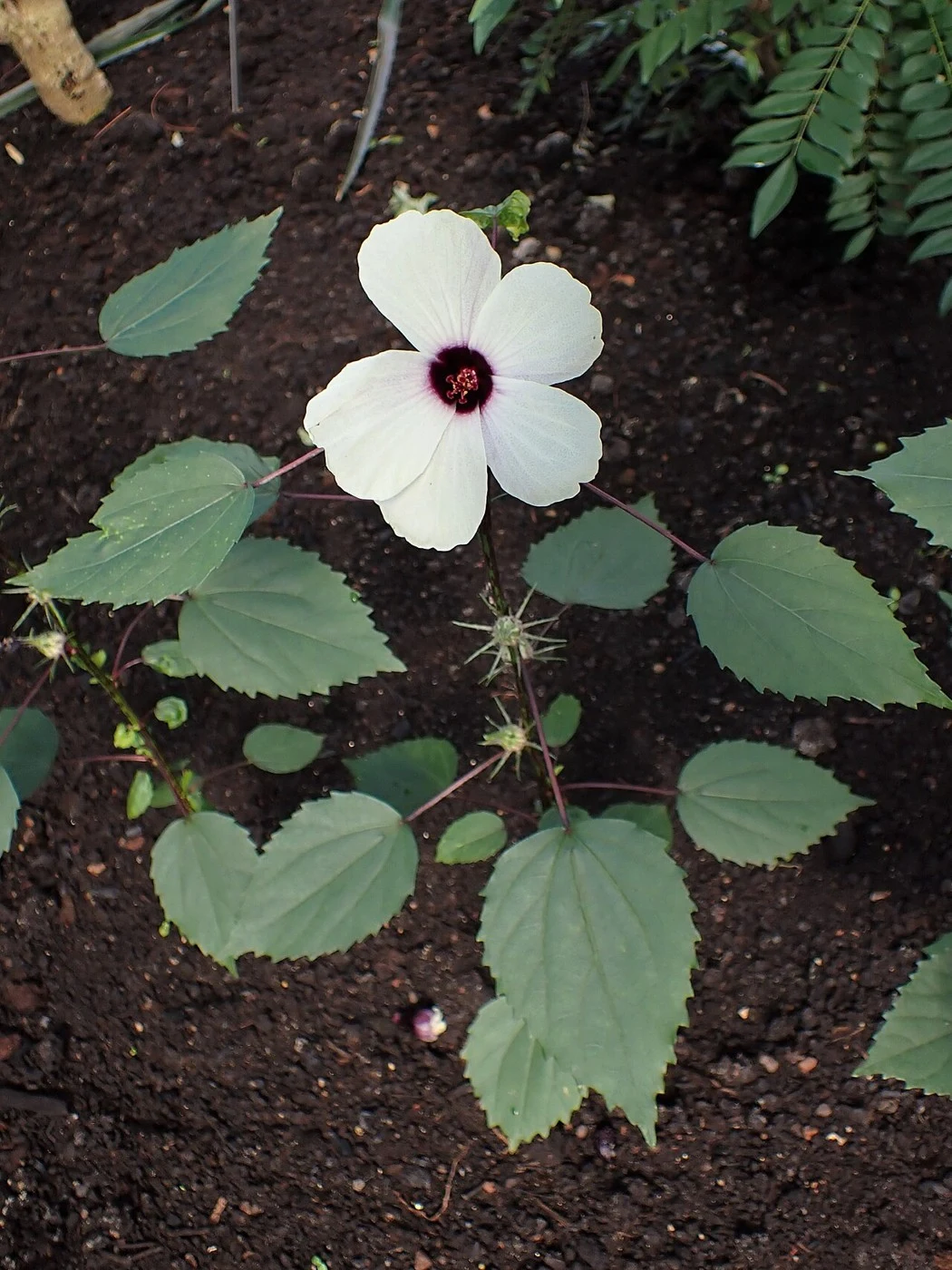
Hibiscus makes a striking cup: deep red, brightly tart, and refreshing. The ingredient is the calyx of Hibiscus sabdariffa, the structure surrounding the flower. A small trial found that a defined hibiscus tea lowered systolic blood pressure in adults with mildly elevated readings.
- Circulatory research
The tea itself is interesting
Here, a familiar beverage is part of the clinical research. That gives hibiscus a pleasingly practical place in the conversation about cardiovascular wellbeing, alongside food, movement, sleep, and personal measurements.
Enjoy its natural character
The tartness can stand on its own in a warm or chilled infusion. Food-grade Hibiscus sabdariffa is the botanical to look for, whether you enjoy a simple cup or explore a more concentrated preparation.
Meet the botanical
Hibiscus sabdariffa L.
- Family
- Malvaceae
- Parts in focus
- Fleshy calyces, dried for tea or processed into characterized extracts
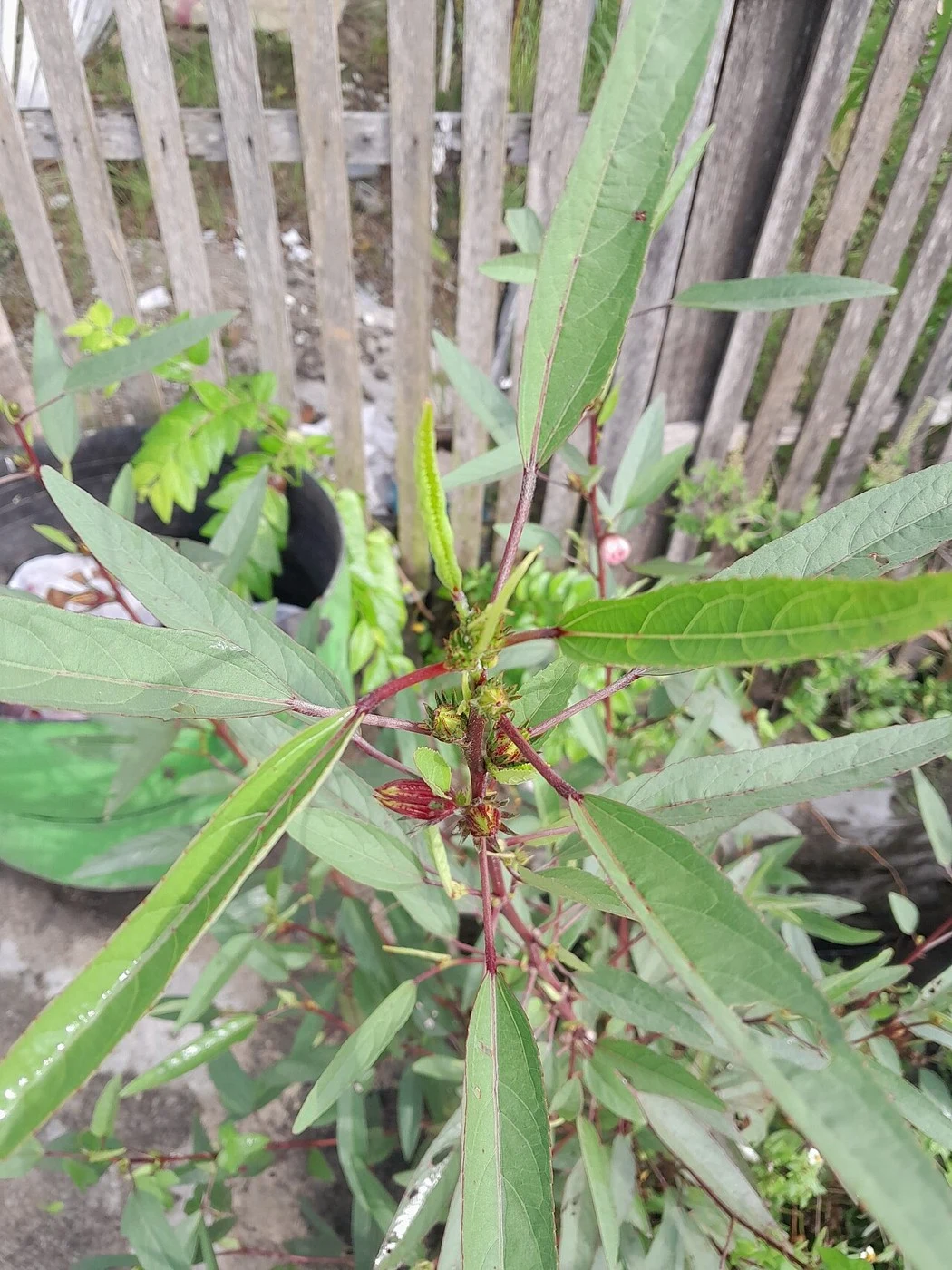
ⓘ Photograph credits
Hibiscus sabdariffa · Ayuwadala · Original photograph · CC BY 4.0. Resized and converted to WebP; displayed with a crop. No generative edits.
Common uses
Traditional and everyday uses, at a glance.
| Common use | Part & preparation |
|---|---|
| Tart herbal drinks | Roselle calyces, brewed hot or cold |
| Culinary color & flavor | Food-grade calyces in drinks and foods |
| Blood-pressure care | Specified preparations discussed with a clinician |
A short history
Roselle’s fleshy calyces have become part of everyday food and drink traditions in many regions. They are distinct from the ornamental hibiscus flowers grown chiefly for display.
Energy & character
Brisk, tart and bright, with a ruby color that makes a simple cup feel abundant.
Symbolism
As a personal symbol, hibiscus can represent generous hospitality: a shared pitcher and the pleasure of letting everyone prepare a glass to their own taste.
The research & references
What the studies tell us
The six-week tea trial included 65 adults and measured blood pressure, not cardiovascular events. A later extract trial did not show significant between-group metabolic benefits; tea and extract findings are not interchangeable.
Care with this plant.
Review regular medicinal use with blood-pressure or glucose-lowering medicines and avoid unmonitored dose changes. Medicinal pregnancy and lactation safety is insufficiently established. Use food-grade Hibiscus sabdariffa calyces, not unidentified ornamental flowers.
Research relates to the species, preparation, and people studied. Findings for an ingredient do not establish the effects of the complete featured formula.
Explore the sources
- Hibiscus sabdariffa L. tea (tisane) lowers blood pressure in prehypertensive and mildly hypertensive adults
- Efficacy of Hibiscus sabdariffa L. extract on metabolic parameters in participants with abdominal obesity and mild metabolic syndrome
- Hibiscus Tea May Help Lower Blood Pressure in Mild Hypertension
- Hibiscus — Drugs and Lactation Database (LactMed)
About this article & supplement statements
These statements have not been evaluated by the Food and Drug Administration. These products are not intended to diagnose, treat, cure, or prevent any disease.
Medicine Wild offers botanical education from Dr. Michele Burklund’s naturopathic and functional medicine perspective. This article is for informational purposes and does not replace individual medical advice, diagnosis, or treatment. A qualified practitioner can help you choose care suited to your health history.
A little more to know
Questions about hibiscus (roselle).
What is the botanical name of hibiscus (roselle)?
Hibiscus (Roselle) is identified in this monograph as Hibiscus sabdariffa L.. Its botanical family is Malvaceae.
Which parts of hibiscus (roselle) are used?
Fleshy calyces, dried for tea or processed into characterized extracts
What does research say about hibiscus (roselle)?
A 65-person tea trial found a modest systolic blood-pressure benefit over six weeks; a 108-person 2025 extract trial found no significant between-group improvement in measured metabolic outcomes. Tea and extract findings are not interchangeable.
What should I know before using hibiscus (roselle)?
Review regular medicinal use with blood-pressure or glucose-lowering medicines and avoid unmonitored dose changes. Medicinal pregnancy and lactation safety is insufficiently established. Use food-grade Hibiscus sabdariffa calyces, not unidentified ornamental flowers.
Where can I read the research on hibiscus (roselle)?
These sources are included in the monograph’s reference list.
- Hibiscus Tea May Help Lower Blood Pressure in Mild Hypertension
- Hibiscus sabdariffa L. tea (tisane) lowers blood pressure in prehypertensive and mildly hypertensive adults
- Efficacy of Hibiscus sabdariffa L. extract on metabolic parameters in participants with abdominal obesity and mild metabolic syndrome