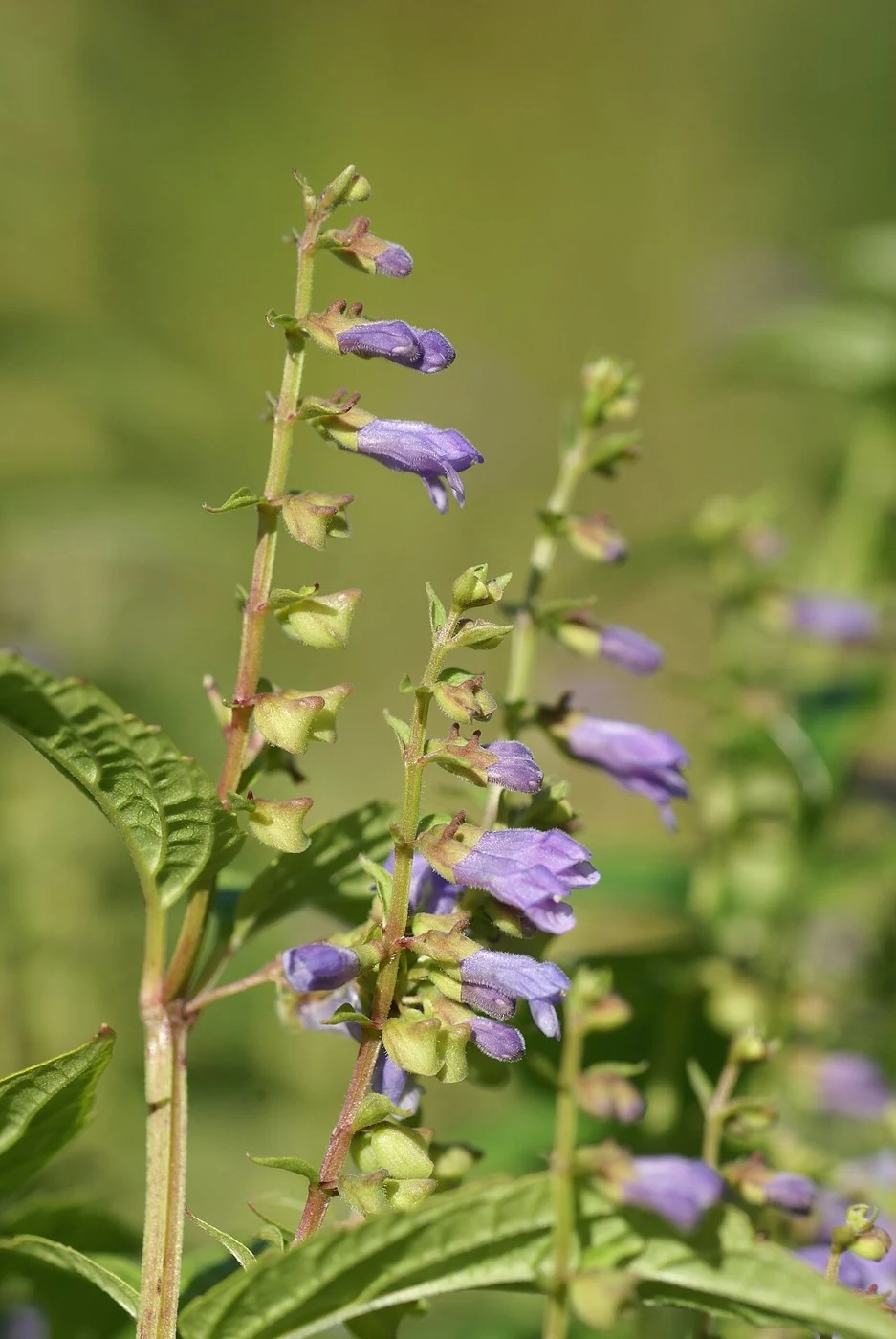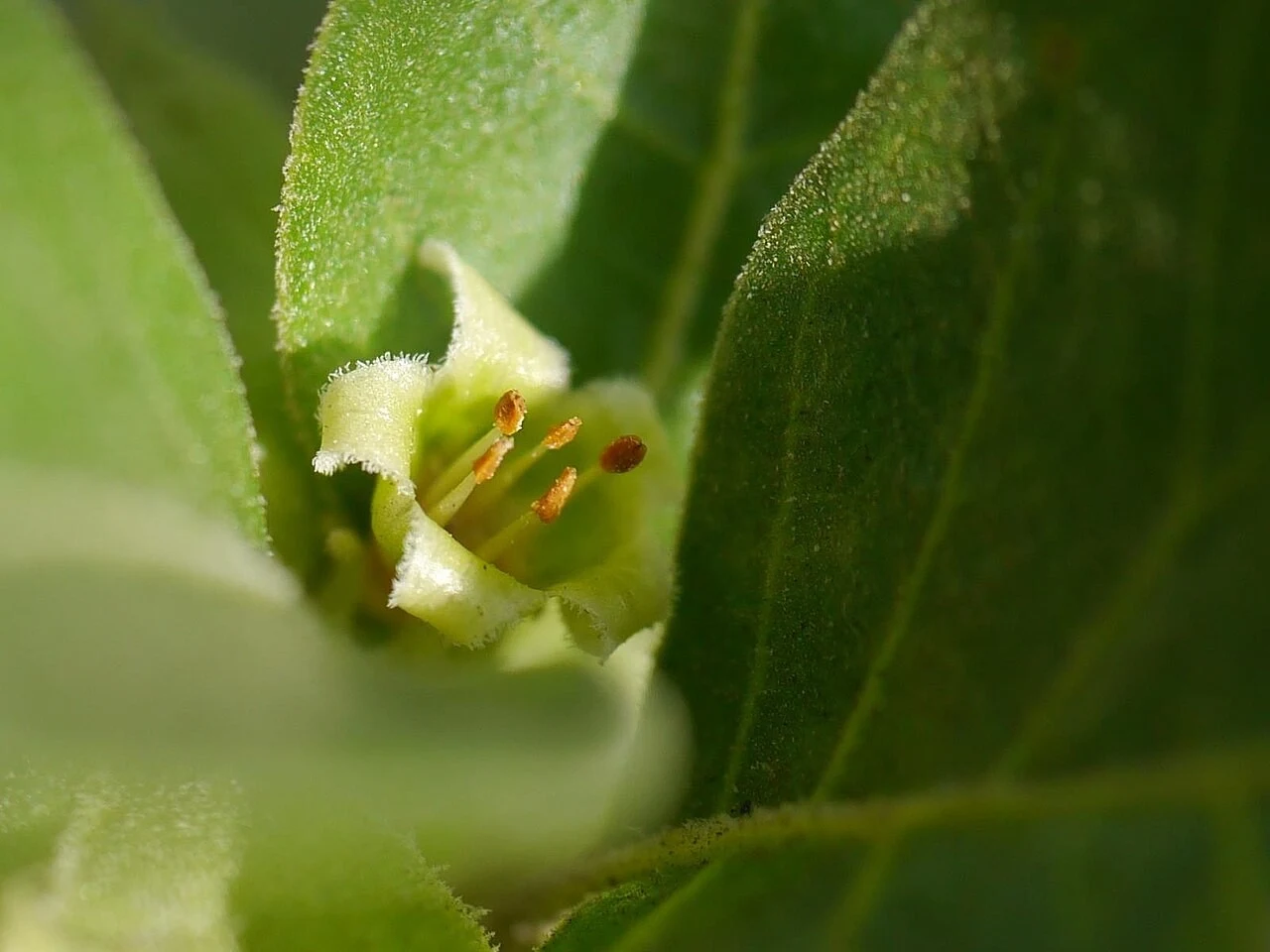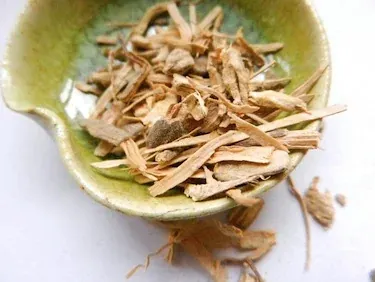
Kava has a longstanding place in Pacific Island gathering, ceremony, and relaxation. Piper methysticum root contains compounds called kavalactones, and some human studies suggest benefits for certain anxiety symptoms. Its story begins with the communities and traditions that know it best.
- Nervine tradition
Where relaxation meets research
Kava’s potential calming effects have made it one of the more closely studied botanicals in this area. The preparation is an essential part of that research, with traditional beverages and commercial extracts offering different compositions.
Respect the whole context
A thoughtful introduction includes the plant’s cultural history, its root preparation, and the person considering it. The detailed research and important suitability information are gathered below to keep that conversation together.
From the plant to my apothecary
My selection.
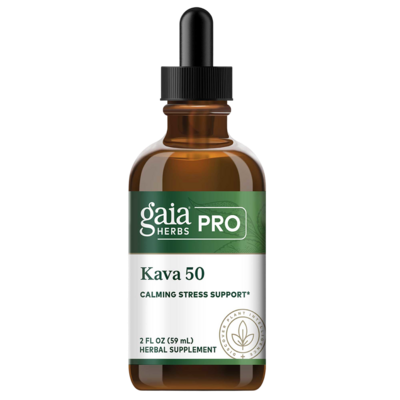
Kava 50 is the liquid root preparation in my collection. Its defined identity keeps the discussion focused on the actual botanical, with the research and individual suitability considerations available below.
I may earn income from purchases through my Fullscript shop.
Meet the botanical
Piper methysticum
- Family
- Piperaceae
- Parts in focus
- Root and rhizome/rootstock in appropriately identified preparations; aerial parts are not interchangeable.
Common uses
Traditional and everyday uses, at a glance.
| Common use | Part & preparation |
|---|---|
| Pacific social & ceremonial traditions | Traditional water-based preparations of underground parts |
| Anxiety-related care | Specified products with clinical oversight |
A short history
Kava belongs to living Pacific traditions of ceremony, hospitality and social gathering. Its traditional water preparations have a different context from modern concentrated supplements.
Energy & character
Earthy and distinctive, associated in its social traditions with the transition from work into shared time.
Symbolism
Kava’s meanings of welcome and community belong to the cultures that carry them. A personal reflection can honor the importance of gathering and listening.
The research & references
What the studies tell us
NCCIH notes possible anxiety benefits, but a 171-person trial did not show benefit for generalized anxiety disorder. Liver injury has been reported with several preparations, including water-based products; extraction type alone does not establish safety.
Care with this plant.
Rare severe/fatal liver injury including water-preparation reports; avoid pregnancy/breastfeeding and self-use with liver disease; no alcohol or sedatives; driving caution; no DIY dosing ritual.
Research relates to the species, preparation, and people studied. Findings for an ingredient do not establish the effects of the complete featured formula.
Explore the sources
About this article & supplement statements
These statements have not been evaluated by the Food and Drug Administration. These products are not intended to diagnose, treat, cure, or prevent any disease.
Medicine Wild offers botanical education from Dr. Michele Burklund’s naturopathic and functional medicine perspective. This article is for informational purposes and does not replace individual medical advice, diagnosis, or treatment. A qualified practitioner can help you choose care suited to your health history.
A little more to know
Questions about kava.
What is the botanical name of kava?
Kava is identified in this monograph as Piper methysticum. Its botanical family is Piperaceae.
Which parts of kava are used?
Root and rhizome/rootstock in appropriately identified preparations; aerial parts are not interchangeable.
What does research say about kava?
Some anxiety-symptom signals in the broader literature, but the 171-person 16-week GAD trial was negative; water extraction does not establish liver safety.
What should I know before using kava?
Rare severe/fatal liver injury including water-preparation reports; avoid pregnancy/breastfeeding and self-use with liver disease; no alcohol or sedatives; driving caution; no DIY dosing ritual.
Where can I read the research on kava?
These sources are included in the monograph’s reference list.