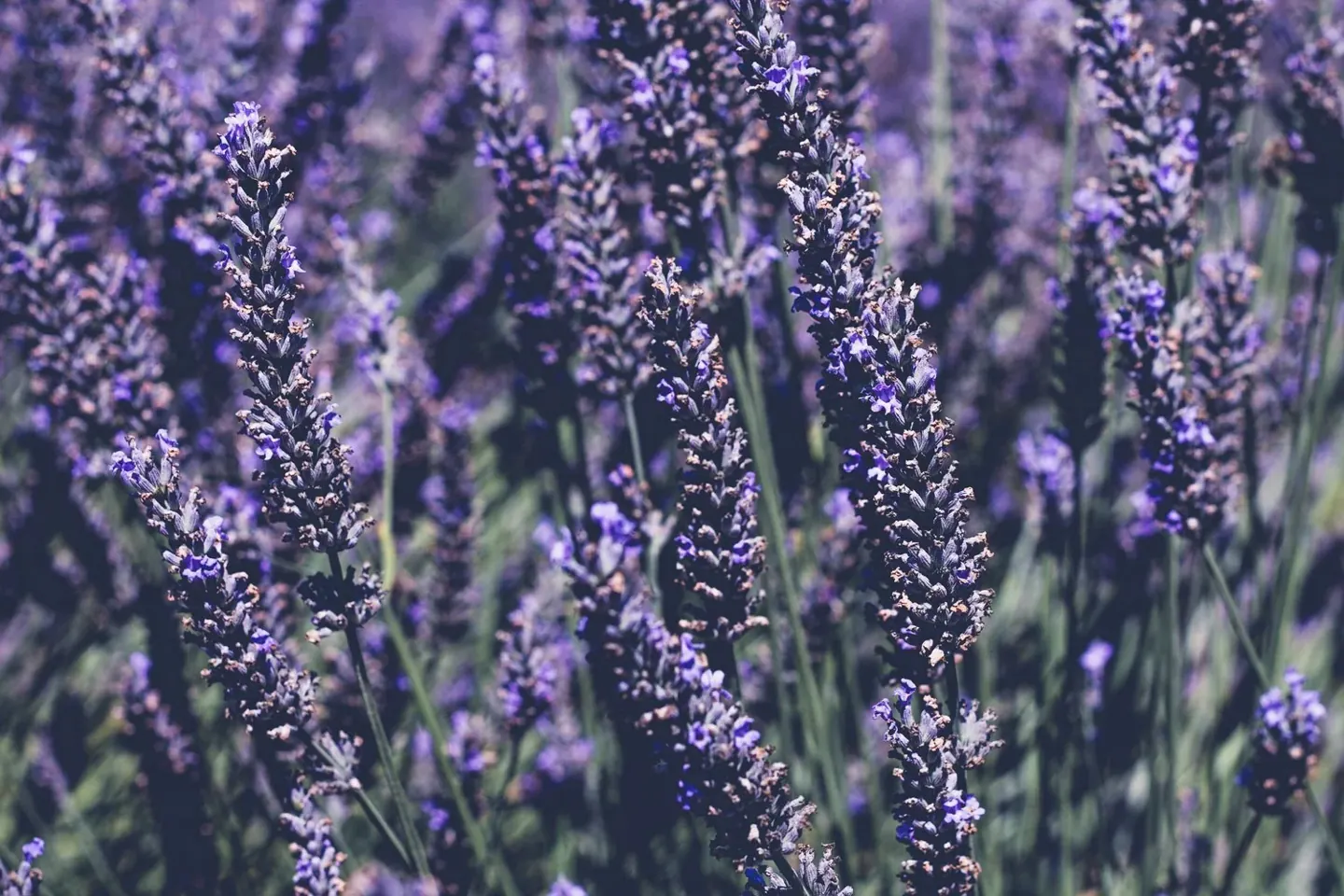
Lavender’s scent can make an ordinary room feel more restful. Its fragrant flowers have long been part of aromatic rituals, while modern studies have explored a particular standardized oral lavender-oil preparation for anxiety symptoms.
- Nervine tradition
Follow the calming thread
Trials of the studied oral preparation have found reductions in anxiety symptoms. That gives lavender a focused clinical story alongside the familiar sensory pleasure of its fragrance.
Let the ritual be simple
A garden plant, a pleasantly scented bath product, and an oral capsule are distinct ways of meeting lavender. For an everyday ritual, enjoyment of the fragrance is enough of a reason to pause and settle in.
Meet the botanical
Lavandula angustifolia Mill.
- Family
- Lamiaceae
- Parts in focus
- Flowers and flowering tops; dried flowers and distilled oil are different preparations.
Common uses
Traditional and everyday uses, at a glance.
| Common use | Part & preparation |
|---|---|
| Fragrance & evening rituals | Dried flowers or appropriately formulated aromatic products |
| Personal care | Prepared bath and skin-care products |
| Anxiety-related care | Specific medicinal products, distinct from aromatherapy oil |
A short history
Lavender’s Mediterranean heritage and longstanding use in fragrant washing and personal care connect the flower with renewal. Its name is traditionally linked with the Latin for washing.
Energy & character
Aromatic, floral and gently herbaceous, with a familiar association with settling and release.
Symbolism
For a personal ritual, lavender can mark a threshold: washing away the day and stepping into a quieter evening.
The research & references
What the studies tell us
Randomized trials of Silexan found anxiety-symptom improvements, with manufacturer involvement in the research. Those findings do not establish equivalent effects from tea or other oils. Aromatherapy essential oil should not be swallowed.
Care with this plant.
Do not ingest aromatherapy oil. Oral products can cause gastrointestinal effects; fragrance and topical products can irritate or cause allergy. Review sedatives, anesthesia, pregnancy, and breastfeeding.
Research relates to the species, preparation, and people studied. Findings for an ingredient do not establish the effects of the complete featured formula.
Explore the sources
About this article & supplement statements
These statements have not been evaluated by the Food and Drug Administration. These products are not intended to diagnose, treat, cure, or prevent any disease.
Medicine Wild offers botanical education from Dr. Michele Burklund’s naturopathic and functional medicine perspective. This article is for informational purposes and does not replace individual medical advice, diagnosis, or treatment. A qualified practitioner can help you choose care suited to your health history.
A little more to know
Questions about lavender.
What is the botanical name of lavender?
Lavender is identified in this monograph as Lavandula angustifolia Mill.. Its botanical family is Lamiaceae.
Which parts of lavender are used?
Flowers and flowering tops; dried flowers and distilled oil are different preparations.
What does research say about lavender?
Standardized oral Silexan has randomized anxiety trials, with important manufacturer involvement and generalizability limits. Aromatherapy and tea are distinct, less established interventions.
What should I know before using lavender?
Do not ingest aromatherapy oil. Oral products can cause gastrointestinal effects; fragrance and topical products can irritate or cause allergy. Review sedatives, anesthesia, pregnancy, and breastfeeding.
Where can I read the research on lavender?
These sources are included in the monograph’s reference list.