Licorice brings a lingering sweetness to herbal medicine. Its root has long been used in digestive and throat-care traditions. Particular low-glycyrrhizin extracts have also been studied for reflux-related discomfort, giving the traditional story a more specific modern focus.
The comfort connection
A recent clinical trial found improvements in reflux-related symptoms with a defined flavonoid-rich extract. That is one reason the details of a licorice preparation are especially useful when exploring its digestive role.
Read beyond the plant name
Whole-root extracts and deglycyrrhizinated licorice, often called DGL, have different compositions. Seeing which form is in a product helps connect the soothing tradition with the actual formula.
From the plant to my apothecary
My selection.
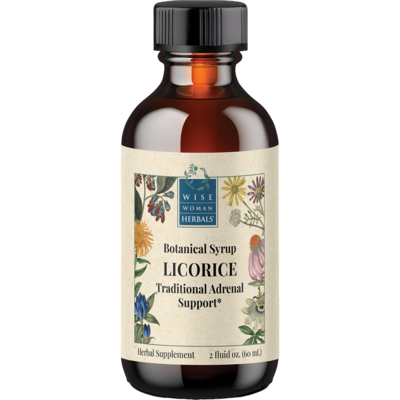
The solid extract highlights licorice’s rich, sweet character. An alcohol-free root extract is also in the collection. Both keep the focus on the traditional root; their specific compositions are explained on the labels.
Another preparation in my collection
I may earn income from purchases through my Fullscript shop.
Meet the botanical
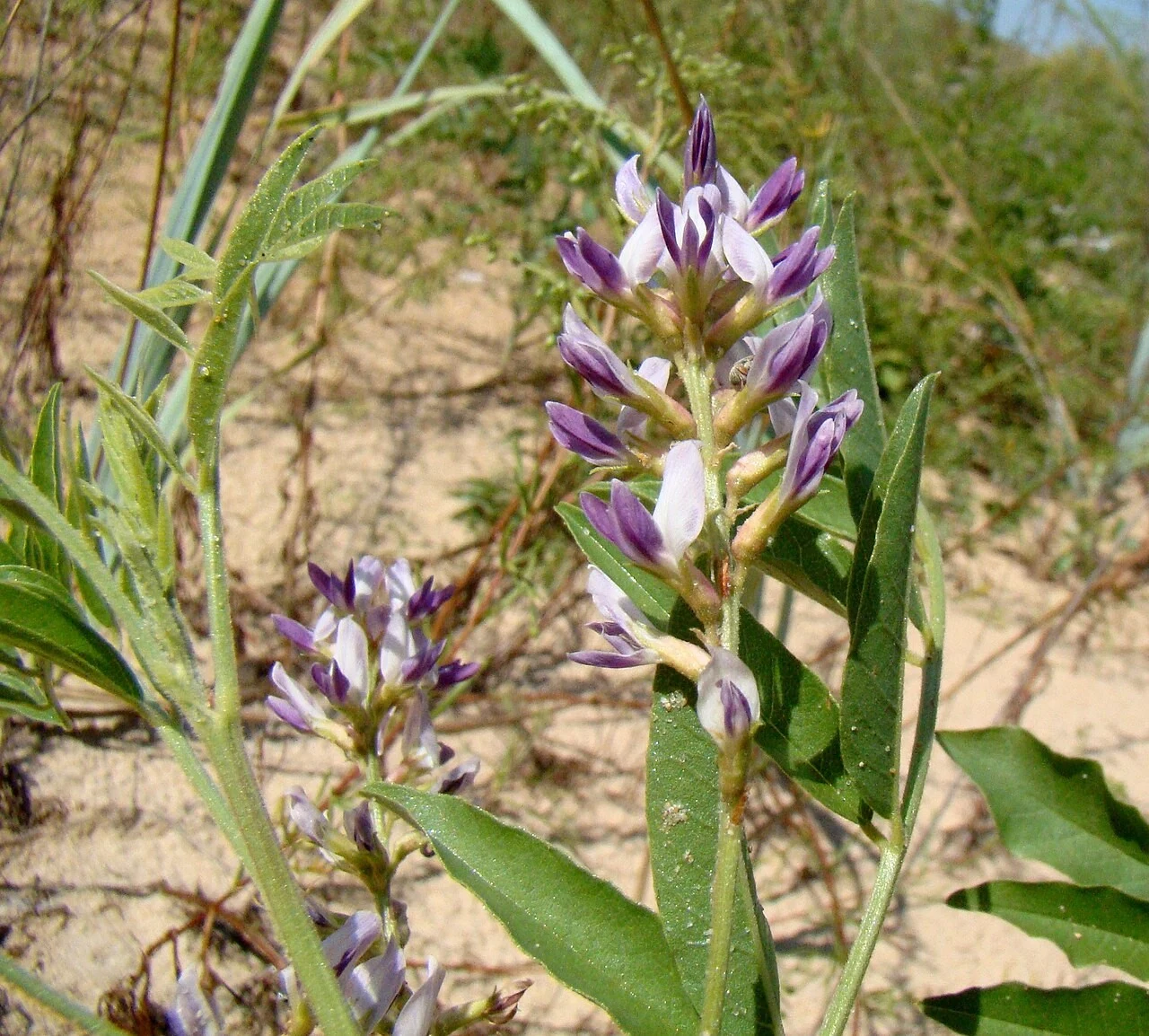
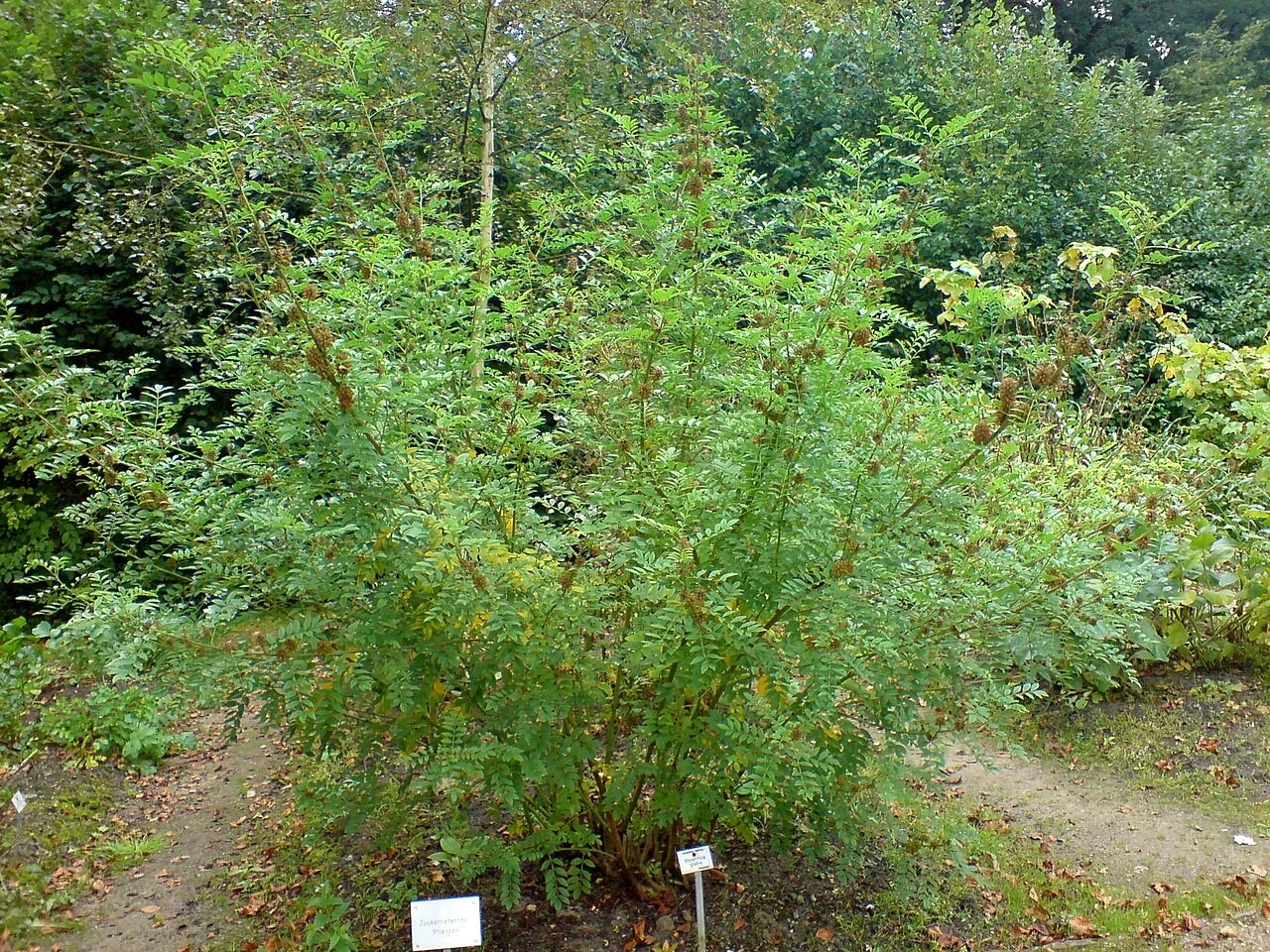
Glycyrrhiza glabra L.; related medicinal species include G. uralensis Fisch. and G. inflata Batalin
- Family
- Fabaceae
- Parts in focus
- Root and stolons; whole-root and deglycyrrhizinated extracts are distinct
ⓘ Photograph credits
Glycyrrhiza glabra · Tubifex · Original photograph · CC BY-SA 3.0. Resized and converted to WebP; displayed with a crop. No generative edits.
Common uses
Traditional and everyday uses, at a glance.
| Common use | Part & preparation |
|---|---|
| Throat & respiratory traditions | Identified root preparations |
| Digestive preparations | Specific root products, including separately labeled DGL |
| Flavor in herbal blends | Root used in carefully chosen proportions |
A short history
Licorice appears in Mediterranean, Middle Eastern and Asian healing traditions. Its root’s persistent sweetness made it a memorable part of respiratory and digestive formulas.
Energy & character
Sweet, full and rounding in taste, softening the sensory edges of a bitter blend.
Symbolism
For a personal reflection, licorice suggests proportion: a well-chosen small element can change the experience of the whole.
The research & references
What the studies tell us
The 2025 reflux trial tested a proprietary low-glycyrrhizin extract. Its results cannot be assigned to whole-root products. Glycyrrhizin can raise blood pressure and lower potassium, making product selection and medicine review essential.
Care with this plant.
Glycyrrhizin can cause hypertension, hypokalemia, fluid retention, and arrhythmia. July 2026 EMA monograph advises avoiding pregnancy/breastfeeding, possible pregnancy without contraception, hypertension, liver/heart/kidney disease, or low potassium. Review diuretics, digoxin, corticosteroids, stimulant laxatives, and CYP3A4 substrates.
Research relates to the species, preparation, and people studied. Findings for an ingredient do not establish the effects of the complete featured formula.
Explore the sources
- Efficacy and Safety of GutGard in Managing Gastroesophageal Reflux-Related Symptoms
- Licorice Root: Usefulness and Safety
- Constituents of Licorice Root Reveal Different Effects on Blood Pressure: Systematic Review and Meta-analysis
- A Proprietary Licorice Root Extract May Improve Gastroesophageal Reflux Symptoms in Adults
- A low dose of daily licorice intake affects renin, aldosterone, and home blood pressure in a randomized crossover trial
- Final European Union herbal monograph on Glycyrrhiza glabra L.; G. inflata Bat.; G. uralensis Fisch., radix: Revision 1
About this article & supplement statements
These statements have not been evaluated by the Food and Drug Administration. These products are not intended to diagnose, treat, cure, or prevent any disease.
Medicine Wild offers botanical education from Dr. Michele Burklund’s naturopathic and functional medicine perspective. This article is for informational purposes and does not replace individual medical advice, diagnosis, or treatment. A qualified practitioner can help you choose care suited to your health history.
A little more to know
Questions about licorice.
What is the botanical name of licorice?
Licorice is identified in this monograph as Glycyrrhiza glabra L.; related medicinal species include G. uralensis Fisch. and G. inflata Batalin. Its botanical family is Fabaceae.
Which parts of licorice are used?
Root and stolons; whole-root and deglycyrrhizinated extracts are distinct
What does research say about licorice?
Preliminary digestive benefit is specific to a low-glycyrrhizin proprietary extract; established human evidence shows glycyrrhizin can raise blood pressure. Whole root, DGL, and different extracts are not interchangeable.
What should I know before using licorice?
Glycyrrhizin can cause hypertension, hypokalemia, fluid retention, and arrhythmia. July 2026 EMA monograph advises avoiding pregnancy/breastfeeding, possible pregnancy without contraception, hypertension, liver/heart/kidney disease, or low potassium. Review diuretics, digoxin, corticosteroids, stimulant laxatives, and CYP3A4 substrates.
Where can I read the research on licorice?
These sources are included in the monograph’s reference list.