Linden is a lovely herb to understand through the senses. Its flowers bring a delicate, honey-like fragrance to a pale infusion. In European herbal medicine, flower preparations have traditionally been used for mild mental stress and common-cold discomfort.
- Nervine tradition
A quieter moment
The calming tradition is part of linden’s appeal, but so is the ritual itself: warm hands around a cup, a gentle aroma, a few minutes without rushing. It is a simple way to make rest feel welcoming.
Meet the flower
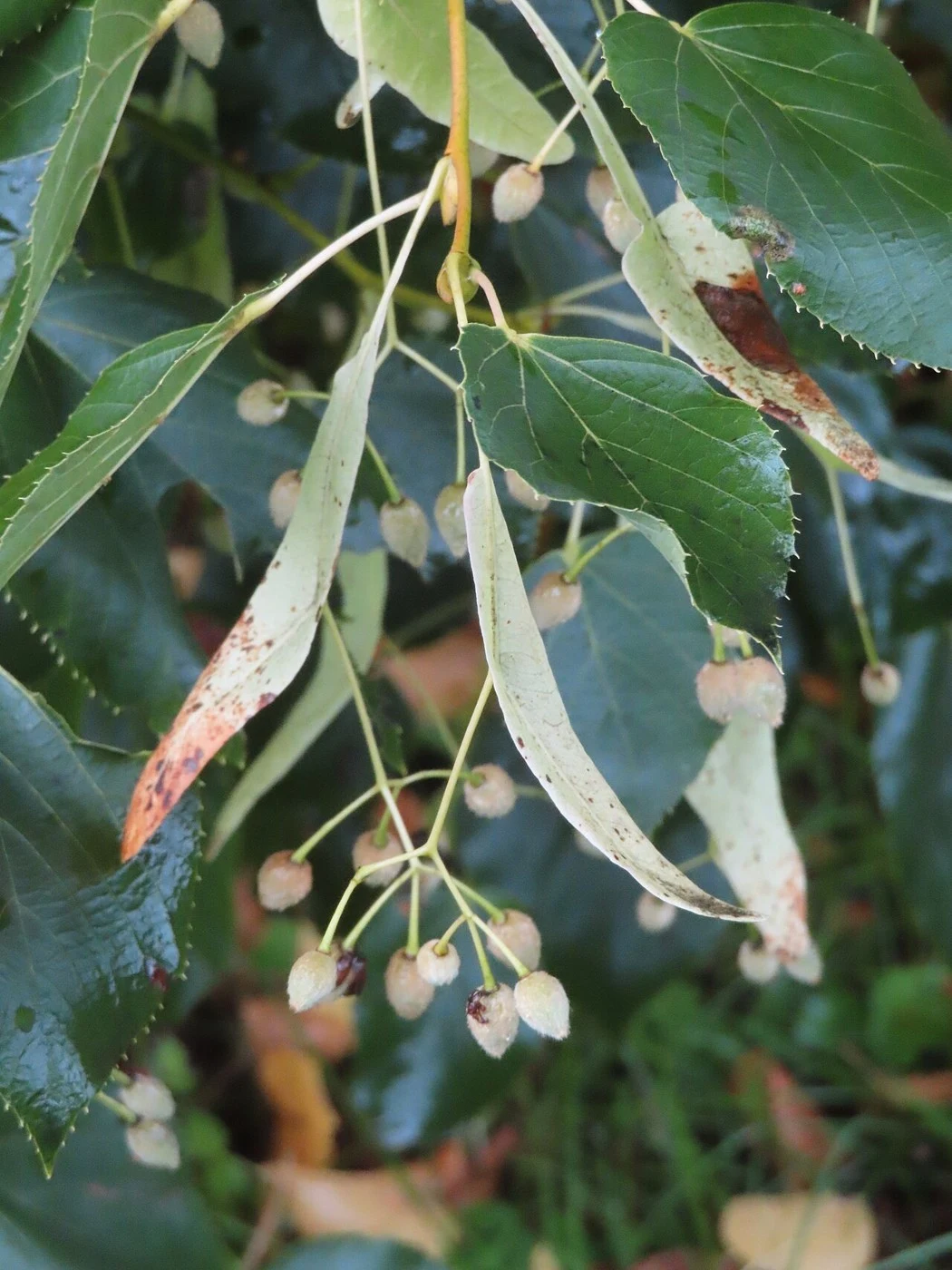
The herbal material includes the flowers and their accompanying bracts. Linden flower has its own identity, so the plant part on the label helps distinguish a familiar infusion from preparations made with other parts of the tree.
Meet the botanical
Tilia cordata Mill.; Tilia platyphyllos Scop.; Tilia × vulgaris Heyne
- Family
- Malvaceae
- Parts in focus
- Flower clusters with their associated bracts; not interchangeable with buds, wood, or all Tilia species.
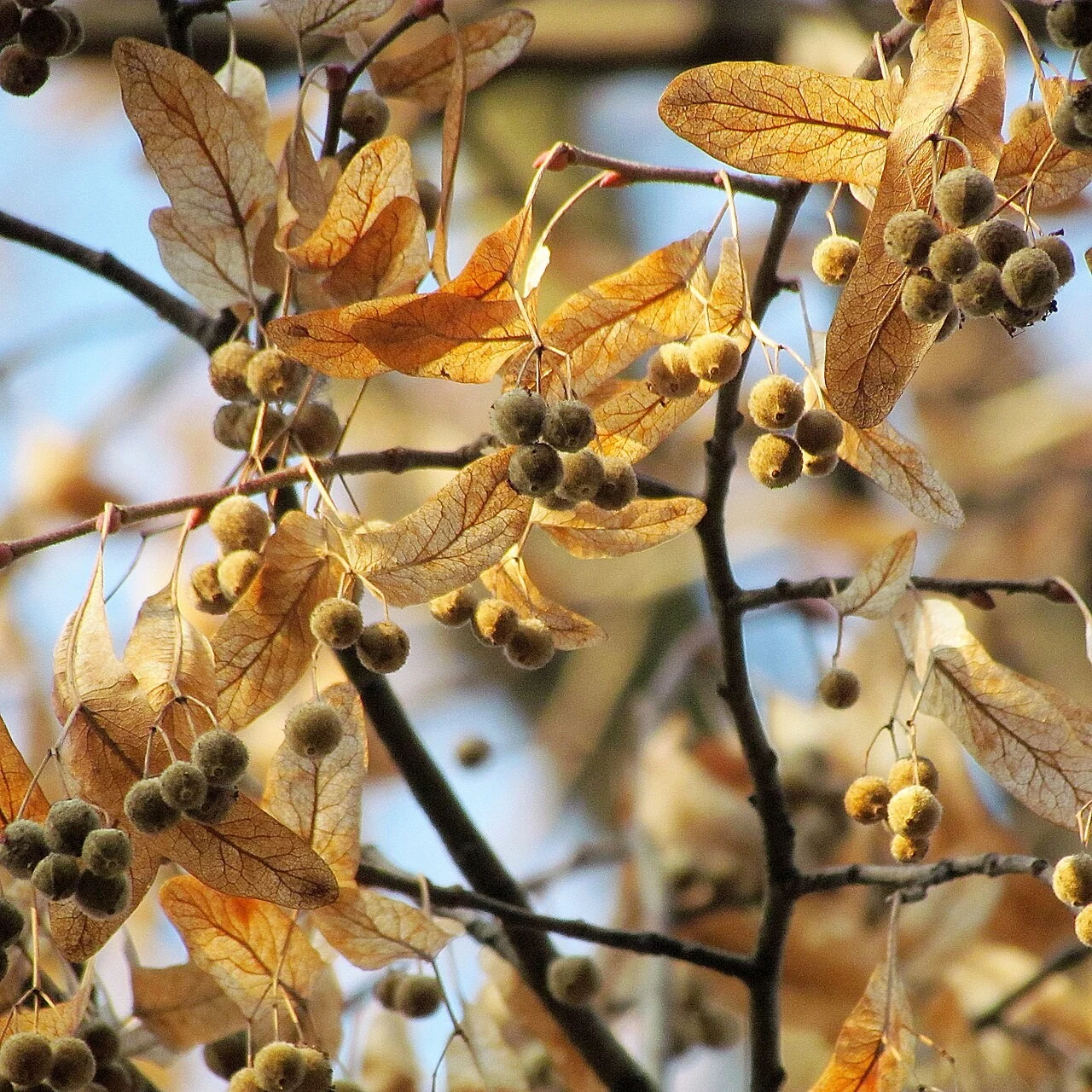
ⓘ Photograph credits
Tilia cordata · Gmihail at Serbian Wikipedia · Original photograph · CC BY-SA 3.0 rs. Resized and converted to WebP; displayed with a crop. No generative edits.
Common uses
Traditional and everyday uses, at a glance.
| Common use | Part & preparation |
|---|---|
| Mild mental stress | Identified linden-flower infusion |
| Cold-season comfort | Warm flower tea |
A short history
Linden flowers belong to European household herbal practice. European tree lore also remembers the linden as a place of communal judgment and a symbol of peace.
Energy & character
Softly fragrant and gently mucilaginous, with a soothing, sheltering character in its tea tradition.
Symbolism
Peace and shared shelter are documented themes in European linden lore. A cup offered in company can echo that sense of welcome.
The research & references
What the studies tell us
EMA recognizes linden flower’s stress and cold uses on the basis of longstanding tradition. These indications do not establish treatment for anxiety disorders, insomnia, or cardiovascular disease.
Care with this plant.
Avoid with allergy. Pregnancy/lactation safety is inadequate; medicinal stress use is not established under 12. Seek care for prolonged/worsening cold symptoms or high fever, and promptly for breathing difficulty.
Research relates to the species, preparation, and people studied. Findings for an ingredient do not establish the effects of the complete featured formula.
Explore the sources
About this article & supplement statements
These statements have not been evaluated by the Food and Drug Administration. These products are not intended to diagnose, treat, cure, or prevent any disease.
Medicine Wild offers botanical education from Dr. Michele Burklund’s naturopathic and functional medicine perspective. This article is for informational purposes and does not replace individual medical advice, diagnosis, or treatment. A qualified practitioner can help you choose care suited to your health history.
A little more to know
Questions about linden.
What is the botanical name of linden?
Linden is identified in this monograph as Tilia cordata Mill.; Tilia platyphyllos Scop.; Tilia × vulgaris Heyne. Its botanical family is Malvaceae.
Which parts of linden are used?
Flower clusters with their associated bracts; not interchangeable with buds, wood, or all Tilia species.
What does research say about linden?
Linden flower’s stress and common-cold uses are traditional. No convincing human trial basis was identified for treating anxiety disorders, insomnia, or cardiovascular disease. Flower, bud, wood, and silver-linden preparations are distinct.
What should I know before using linden?
Avoid with allergy. Pregnancy/lactation safety is inadequate; medicinal stress use is not established under 12. Seek care for prolonged/worsening cold symptoms or high fever, and promptly for breathing difficulty.
Where can I read the research on linden?
These sources are included in the monograph’s reference list.