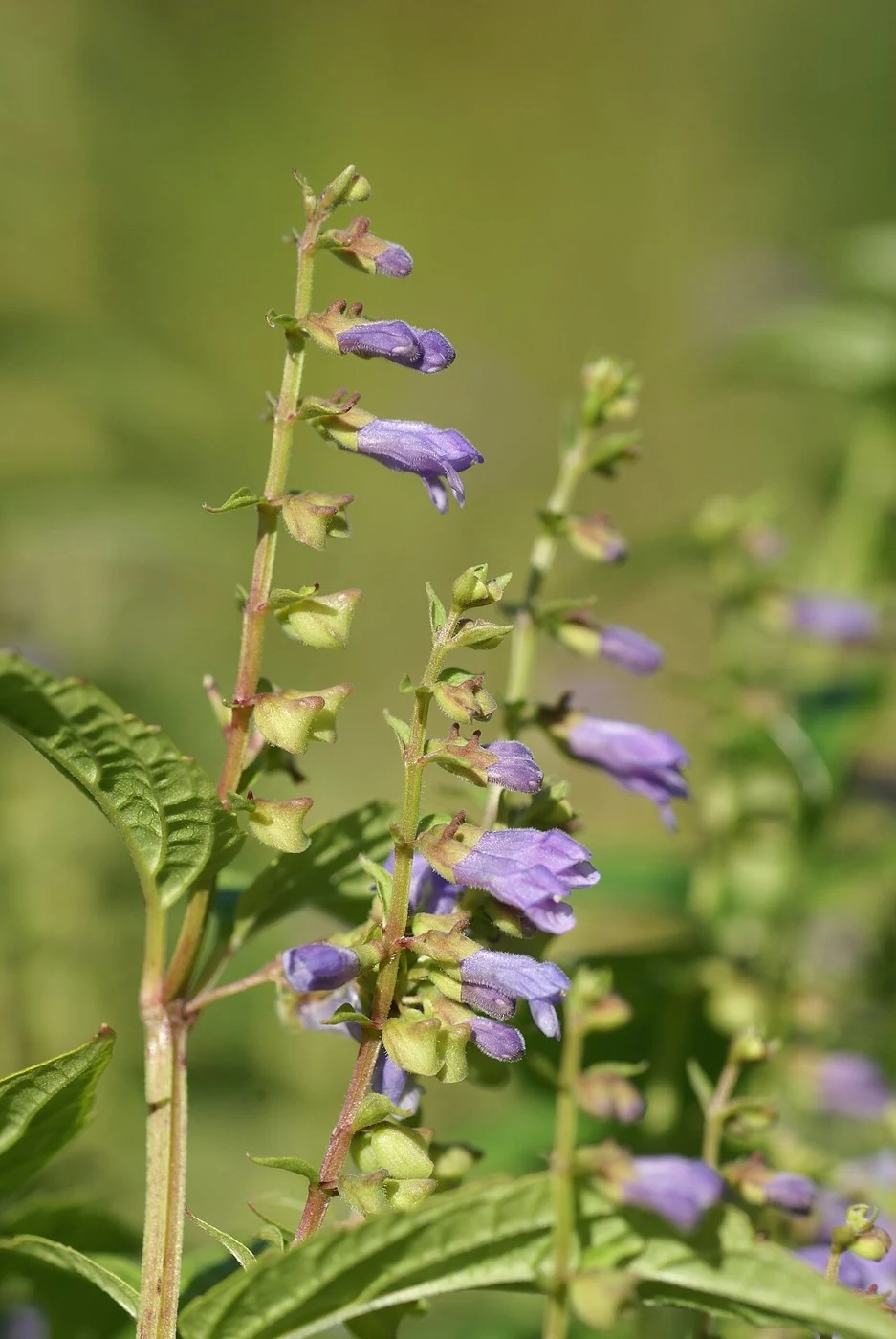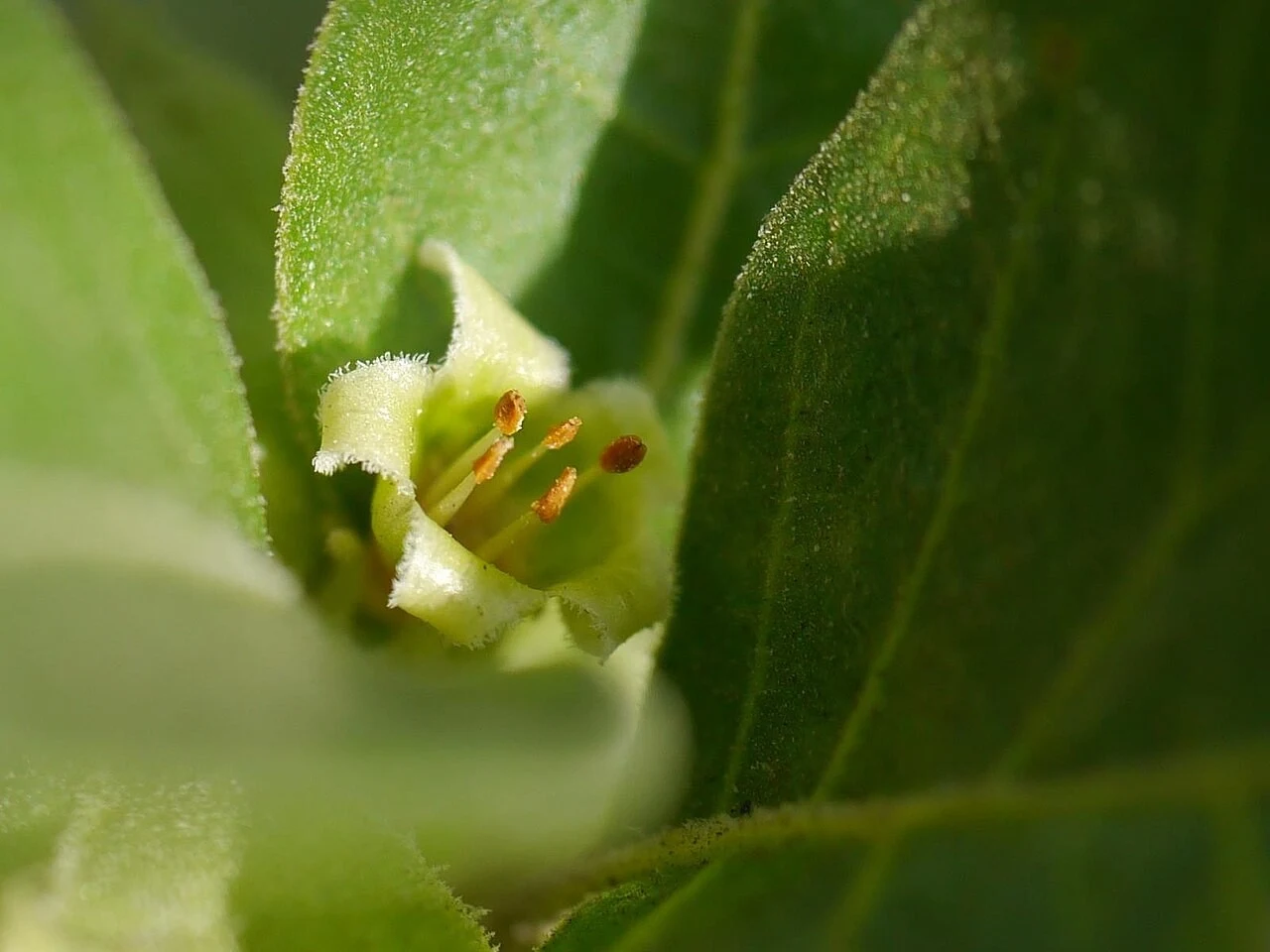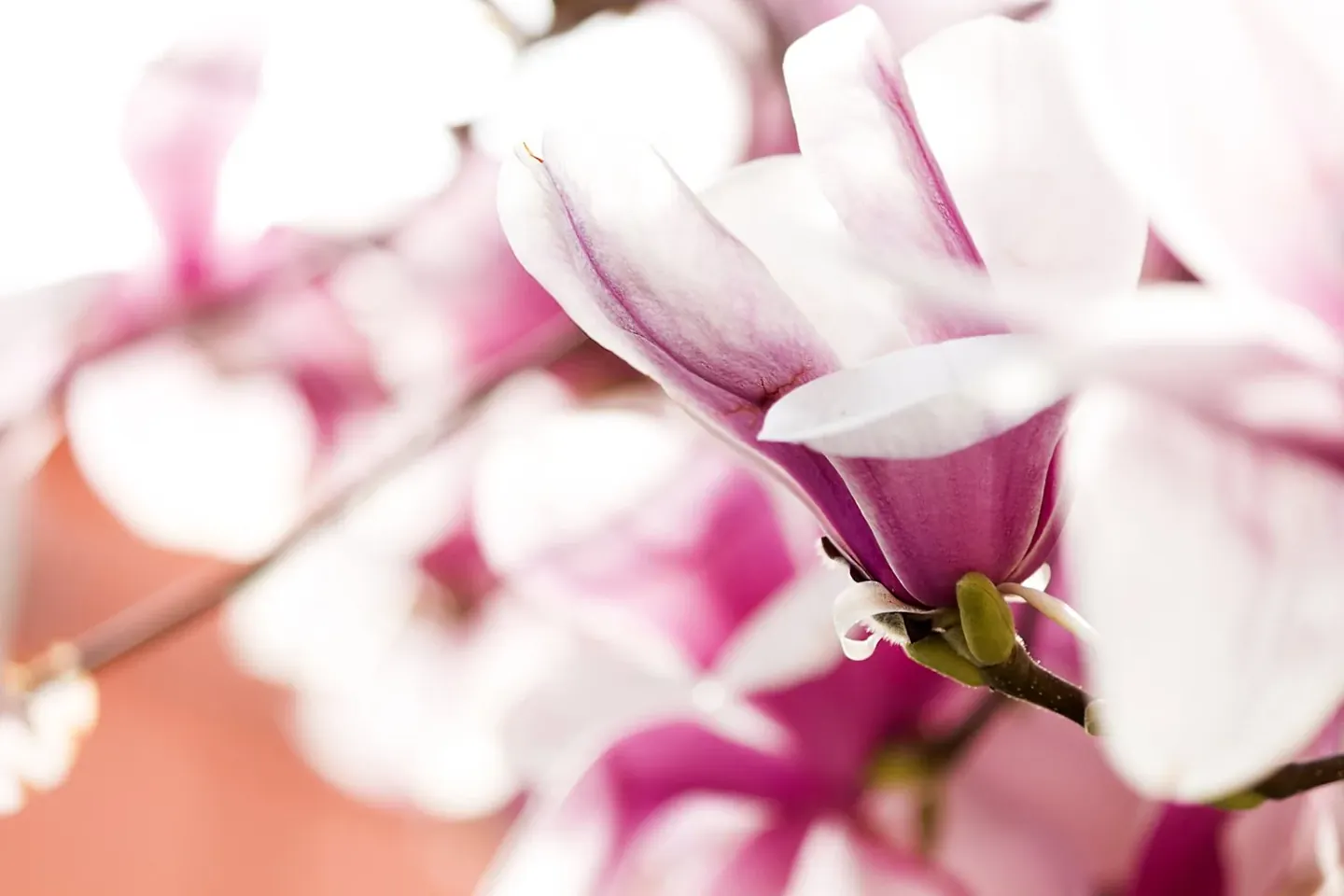
Magnolia’s herbal story comes from the bark. Known as hou po in Chinese medicine, Magnolia officinalis has traditionally appeared in formulas for digestive fullness. Modern interest also includes its compounds honokiol and magnolol, which researchers study in relation to the nervous system.
- Nervine tradition
- Bitter tradition
- Digestive tradition
A calmer daily rhythm
Small human trials of a magnolia-and-phellodendron blend have reported improvements in some stress and mood measures. The findings belong to the complete blend, offering a focused reason to look more closely at calming formulas.
The whole formula matters
Magnolia fits into a tradition of combining botanicals for a particular pattern. Reading the full ingredient list helps connect the bark’s digestive history with the purpose of the preparation you are exploring.
Meet the botanical
Magnolia officinalis
- Family
- Magnoliaceae
- Parts in focus
- Bark; different from ornamental magnolia blossoms and from other Magnolia species.
Common uses
Traditional and everyday uses, at a glance.
| Common use | Part & preparation |
|---|---|
| Digestive traditions | Specified bark preparations |
| Stress & settling traditions | Identified bark extracts or traditional formulas |
A short history
Magnolia bark has a longstanding place in East Asian medicine. The herbal material is the bark, rather than the large decorative flowers that often bring the tree to mind.
Energy & character
Bitter and aromatic, with a woody character and a traditional association with settling digestive and nervous unease.
Symbolism
For a personal reflection, magnolia suggests looking beneath appearances: finding value in the quiet structure behind a showy surface.
The research & references
What the studies tell us
The stress trials tested a magnolia/phellodendron blend, not magnolia alone; one was manufacturer-funded. Results cannot isolate either herb’s contribution. Much of the research on individual bark compounds remains preclinical.
Care with this plant.
Review potential sedative, antiplatelet, diabetes-drug, and metabolic interactions; clinical interaction magnitude is uncertain. Pregnancy/lactation and long-term safety are insufficient. Topical allergy is reported.
Research relates to the species, preparation, and people studied. Findings for an ingredient do not establish the effects of the complete featured formula.
Explore the sources
- Talbott et al. Magnolia/Phellodendron and cortisol and mood
- Memorial Sloan Kettering: Magnolia officinalis
- Hong Kong Baptist University: Magnolia officinalis medicinal-plant record
- HerbalGram 119: Herbal Supplement Sales in the US in 2017—Relora composition
- Kalman et al. Magnolia/Phellodendron and stress in healthy women
About this article & supplement statements
These statements have not been evaluated by the Food and Drug Administration. These products are not intended to diagnose, treat, cure, or prevent any disease.
Medicine Wild offers botanical education from Dr. Michele Burklund’s naturopathic and functional medicine perspective. This article is for informational purposes and does not replace individual medical advice, diagnosis, or treatment. A qualified practitioner can help you choose care suited to your health history.
A little more to know
Questions about magnolia bark.
What is the botanical name of magnolia bark?
Magnolia Bark is identified in this monograph as Magnolia officinalis. Its botanical family is Magnoliaceae.
Which parts of magnolia bark are used?
Bark; different from ornamental magnolia blossoms and from other Magnolia species.
What does research say about magnolia bark?
Small trials of magnolia plus phellodendron suggest some stress/mood effects, with inconsistent outcomes and no isolation of magnolia’s contribution. Mechanistic and interaction research is largely preclinical.
What should I know before using magnolia bark?
Review potential sedative, antiplatelet, diabetes-drug, and metabolic interactions; clinical interaction magnitude is uncertain. Pregnancy/lactation and long-term safety are insufficient. Topical allergy is reported.
Where can I read the research on magnolia bark?
These sources are included in the monograph’s reference list.