Marshmallow root contains mucilage: water-loving plant compounds that become slippery when prepared with water. That texture explains its long use for soothing an irritated-feeling throat and mild digestive discomfort. The plant is Althaea officinalis.
- Skin traditions
Comfort where it touches
Herbalists call this kind of preparation a demulcent. The word describes its coating, soothing character, especially when the mouth or throat feels dry. Traditional use also includes an associated dry cough.
Pay attention to texture
Infusions, syrups, and extracts offer different preparations of the root. Its gentle, slippery character gives marshmallow an especially tangible herbal identity—one you can understand through the feel of a well-made preparation.
From the plant to my apothecary
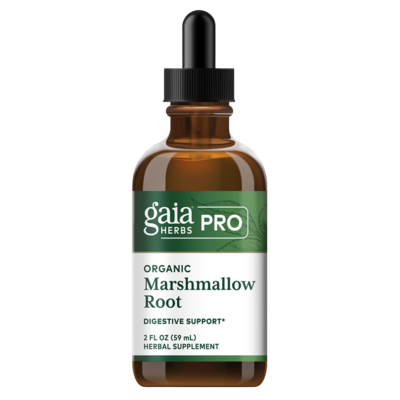
My selection.
This liquid preparation keeps the focus on the root behind marshmallow’s soothing herbal identity. I chose it as a straightforward introduction to the plant’s traditional throat-and-digestion story.
I may earn income from purchases through my Fullscript shop.
Meet the botanical
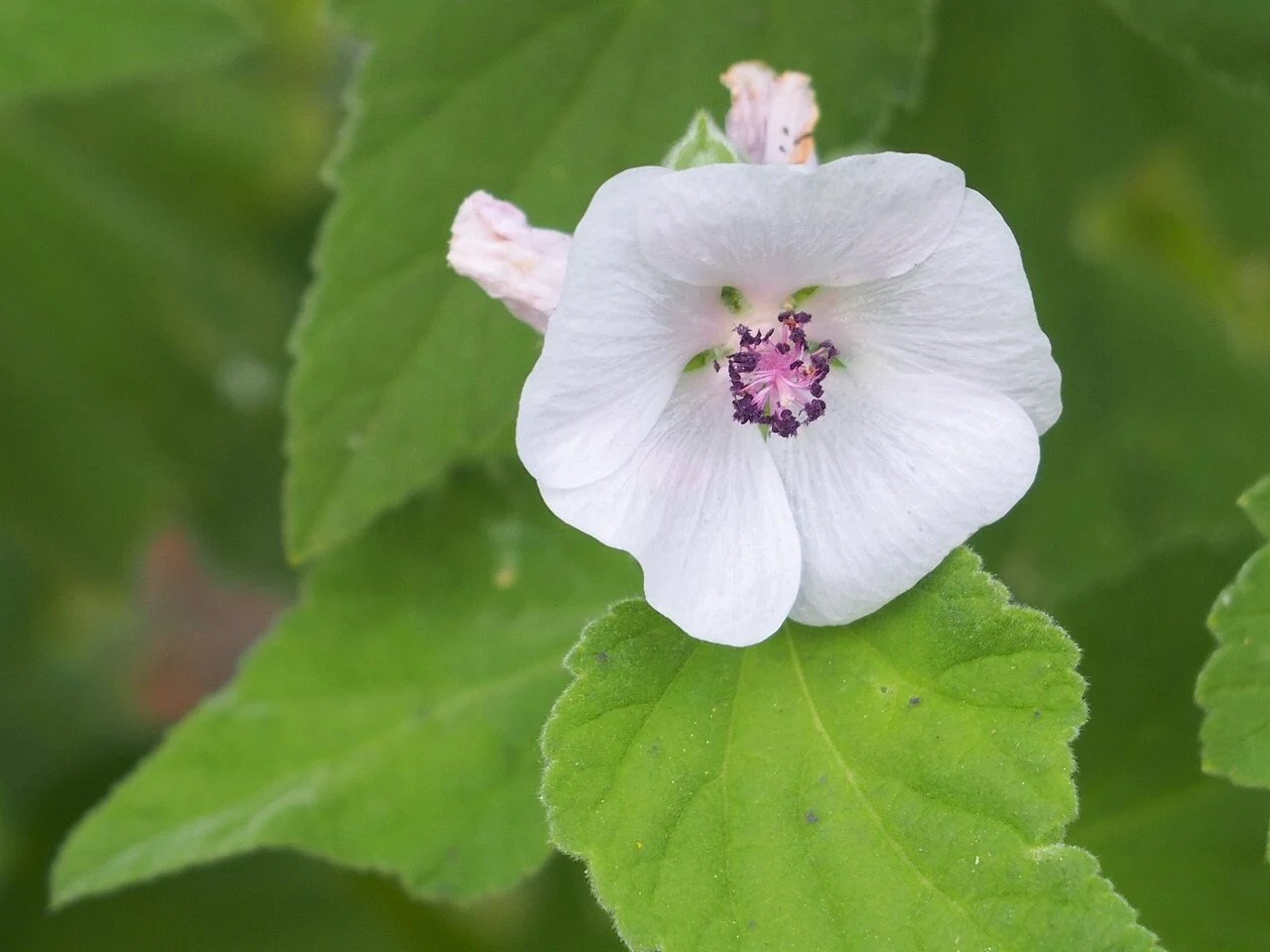
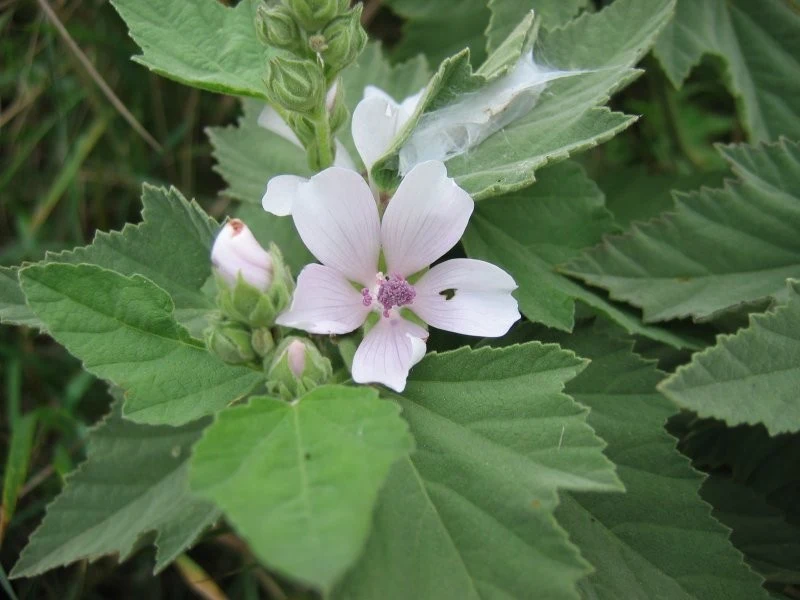
Althaea officinalis L.
- Family
- Malvaceae
- Parts in focus
- Root; leaf has a separate traditional preparation history
ⓘ Photograph credits
Althaea officinalis · Kristian Peters -- Fabelfroh 12:58, 19 November 2006 (UTC) · Original photograph · CC BY-SA 3.0. Resized and converted to WebP; displayed with a crop. No generative edits.
Common uses
Traditional and everyday uses, at a glance.
| Common use | Part & preparation |
|---|---|
| Throat comfort | Root preparations with a mucilaginous texture |
| Digestive-soothing traditions | Water-based root preparations |
| External-care traditions | Prepared root poultices or skin products |
A short history
Marshmallow belongs to the demulcent tradition of herbs valued for their coating texture. Its root has a history in throat preparations and external poultices.
Energy & character
Soft and moistening in traditional herbal language, becoming noticeably slippery in water.
Symbolism
For reflection, marshmallow can symbolize gentleness: responding to irritation with softness and time.
The research & references
What the studies tell us
EMA’s indications are based on traditional use and the plausibility of mucilage’s soothing action. Trials of multi-herb throat products cannot establish marshmallow’s contribution alone. Discuss timing around oral medicines with a clinician or pharmacist.
Care with this plant.
May delay oral medicine absorption; coordinate spacing. Pregnancy/lactation data inadequate; children require suitable products. Use macerates promptly. Persistent or severe throat symptoms need care.
Research relates to the species, preparation, and people studied. Findings for an ingredient do not establish the effects of the complete featured formula.
Explore the sources
About this article & supplement statements
These statements have not been evaluated by the Food and Drug Administration. These products are not intended to diagnose, treat, cure, or prevent any disease.
Medicine Wild offers botanical education from Dr. Michele Burklund’s naturopathic and functional medicine perspective. This article is for informational purposes and does not replace individual medical advice, diagnosis, or treatment. A qualified practitioner can help you choose care suited to your health history.
A little more to know
Questions about marshmallow.
What is the botanical name of marshmallow?
Marshmallow is identified in this monograph as Althaea officinalis L.. Its botanical family is Malvaceae.
Which parts of marshmallow are used?
Root; leaf has a separate traditional preparation history
What does research say about marshmallow?
Mucilage provides a rationale for demulcent use; EMA indication rests on tradition. A 60-person combination-tea trial cannot isolate marshmallow’s contribution.
What should I know before using marshmallow?
May delay oral medicine absorption; coordinate spacing. Pregnancy/lactation data inadequate; children require suitable products. Use macerates promptly. Persistent or severe throat symptoms need care.
Where can I read the research on marshmallow?
These sources are included in the monograph’s reference list.