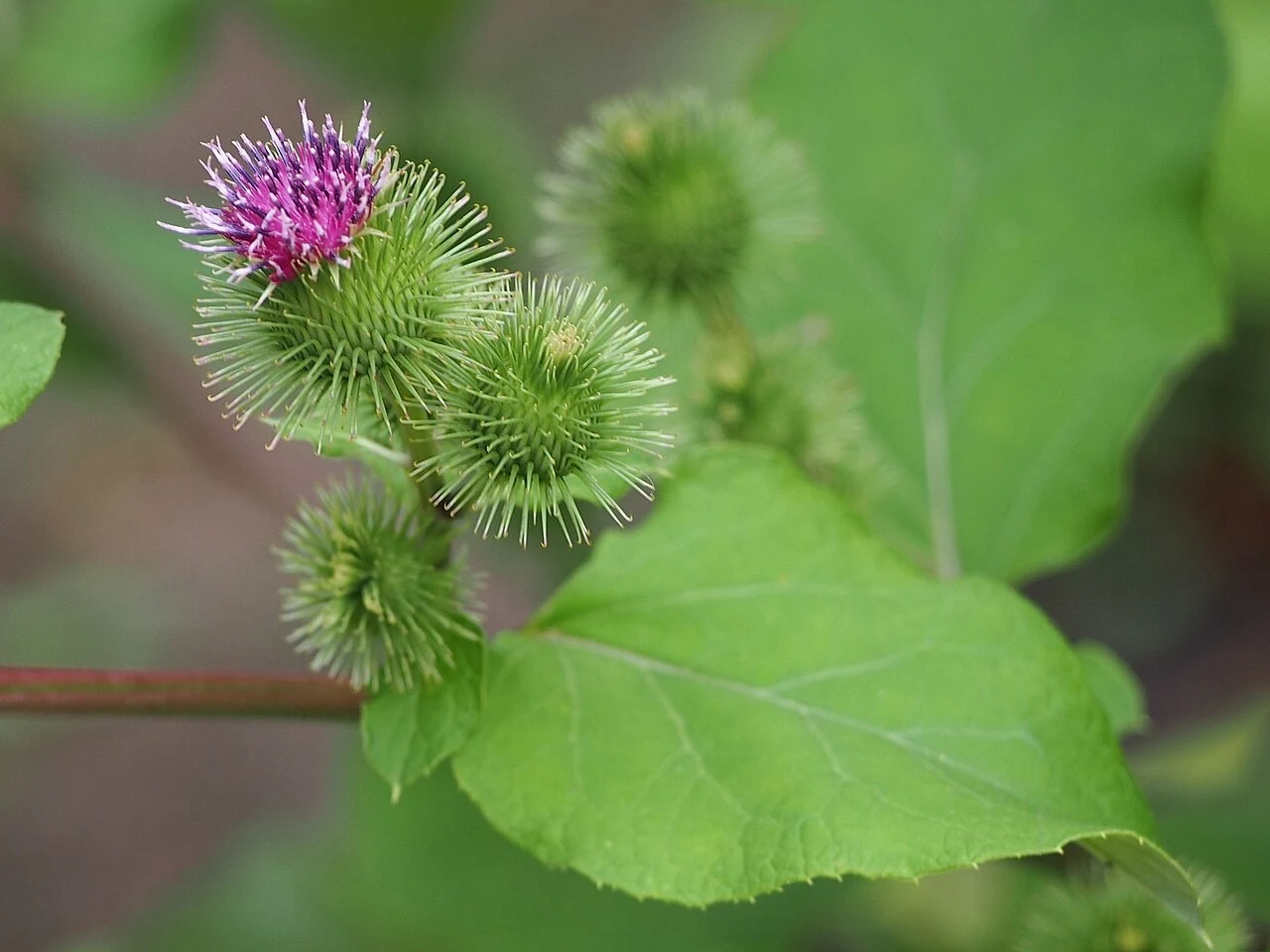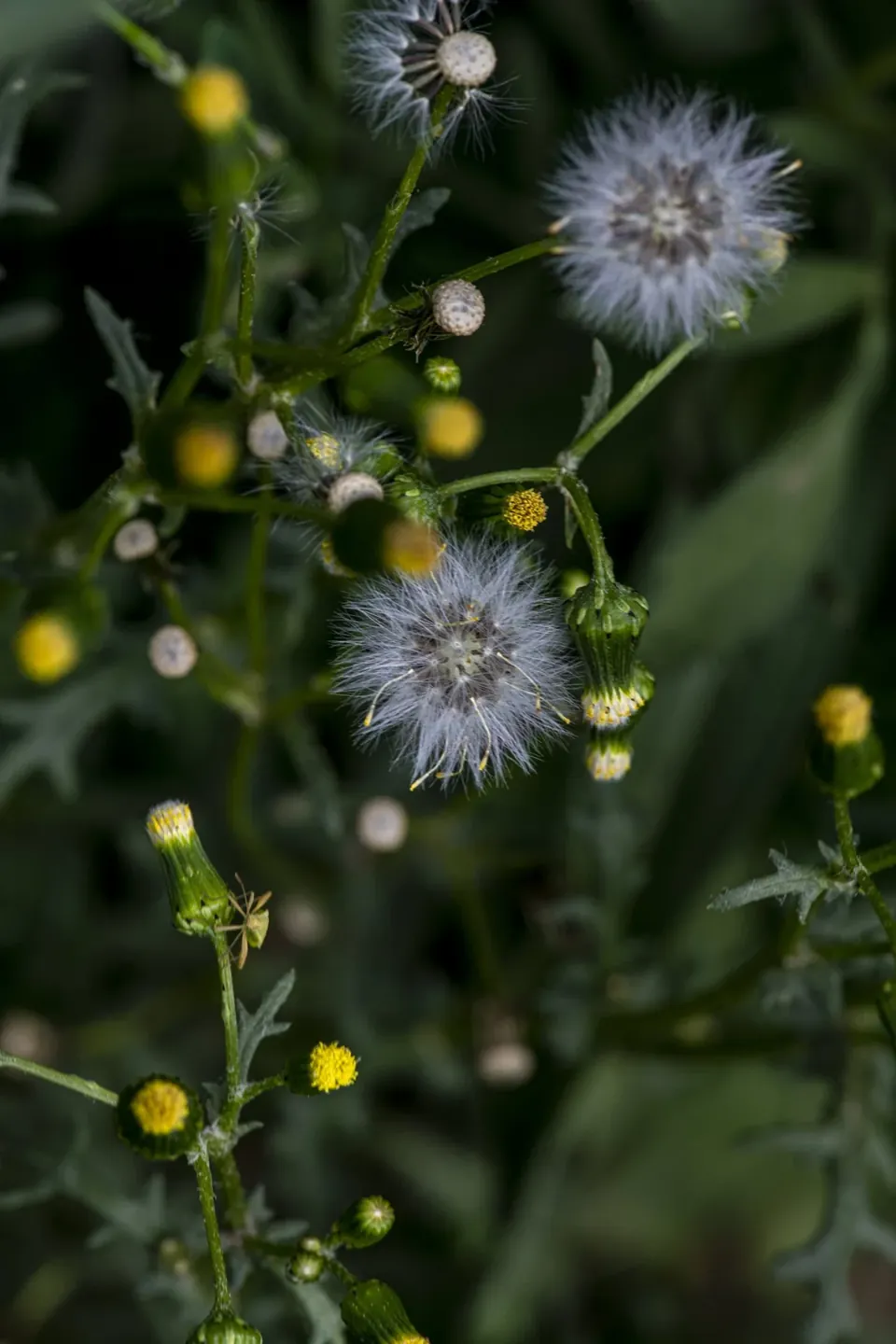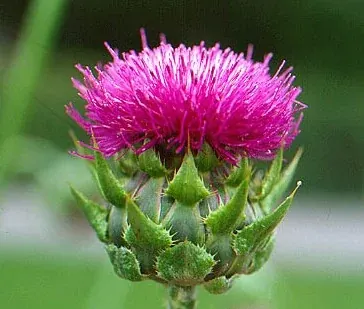
Milk thistle has a long place in European herbal traditions for liver support and digestive fullness. Its fruits, often called seeds, contain silymarin, a group of compounds at the center of modern research on the plant.
- Liver research & tradition
Meet silymarin
Researchers study silymarin for antioxidant activity and its relationship to liver cells. These are areas of scientific interest; the clinical findings vary with the condition and preparation. The research section looks more closely at what has been studied.
A whole-person approach
Nourishment, daily habits, and understanding your own liver health give botanical support its context. A clearly described fruit or silymarin preparation makes the choice more useful than a broad promise about cleansing.
From the plant to my apothecary
My selection.
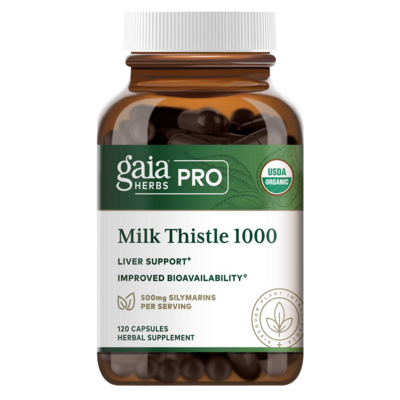
This is my featured preparation of a classic liver-support botanical. Its silymarin information gives the fruit’s research story a useful connection to the label.
I may earn income from purchases through my Fullscript shop.
Meet the botanical
Silybum marianum (L.) Gaertn.
- Family
- Asteraceae
- Parts in focus
- Fruits, often called seeds; standardized fruit extracts containing silymarin
Common uses
Traditional and everyday uses, at a glance.
| Common use | Part & preparation |
|---|---|
| Liver-care traditions | Identified fruit preparations |
| Preparation-specific liver support | Clinician-selected silymarin products |
A short history
Milk thistle has a long European association with liver complaints. Names such as Mary thistle and holy thistle also reflect the plant’s place in cultural imagination.
Energy & character
A sturdy, protective presence in appearance, with its herbal identity concentrated in the small fruits often called seeds.
Symbolism
For a personal reflection, its spines and striking leaves can suggest resilient boundaries: care that protects without becoming a constant project.
The research & references
What the studies tell us
EMA recognizes traditional digestive and liver-support use after serious conditions are excluded. Clinical trials in liver disease have been mixed; silymarin is not established to cleanse the liver, reverse fibrosis, or replace investigation and treatment.
Care with this plant.
GI effects, Asteraceae allergy, uncertain pregnancy/lactation safety, medication review, and product contamination/standardization matter. Liver red flags require prompt assessment.
Research relates to the species, preparation, and people studied. Findings for an ingredient do not establish the effects of the complete featured formula.
Explore the sources
- Silybi mariani fructus: milkthistle fruit
- Milk Thistle: Usefulness and Safety
- Milk Thistle Supplementation and Lifestyle Modification May Reduce Risk Factors Associated with Bariatric Surgery for Fatty Liver Disease in Morbidly Obese Adults
- Effect of 8 Weeks milk thistle powder (silymarin extract) supplementation on fatty liver disease in patients candidates for bariatric surgery
- Effect of silymarin (milk thistle) on liver disease in patients with chronic hepatitis C unsuccessfully treated with interferon therapy
About this article & supplement statements
These statements have not been evaluated by the Food and Drug Administration. These products are not intended to diagnose, treat, cure, or prevent any disease.
Medicine Wild offers botanical education from Dr. Michele Burklund’s naturopathic and functional medicine perspective. This article is for informational purposes and does not replace individual medical advice, diagnosis, or treatment. A qualified practitioner can help you choose care suited to your health history.
A little more to know
Questions about milk thistle.
What is the botanical name of milk thistle?
Milk Thistle is identified in this monograph as Silybum marianum (L.) Gaertn.. Its botanical family is Asteraceae.
Which parts of milk thistle are used?
Fruits, often called seeds; standardized fruit extracts containing silymarin
What does research say about milk thistle?
Small studies show some surrogate-marker improvements, but larger trials and overall assessment do not establish broad liver-disease benefit. No liver cleanse or fibrosis-reversal claim.
What should I know before using milk thistle?
GI effects, Asteraceae allergy, uncertain pregnancy/lactation safety, medication review, and product contamination/standardization matter. Liver red flags require prompt assessment.
Where can I read the research on milk thistle?
These sources are included in the monograph’s reference list.
- Milk Thistle Supplementation and Lifestyle Modification May Reduce Risk Factors Associated with Bariatric Surgery for Fatty Liver Disease in Morbidly Obese Adults
- Milk Thistle: Usefulness and Safety
- Effect of 8 Weeks milk thistle powder (silymarin extract) supplementation on fatty liver disease in patients candidates for bariatric surgery