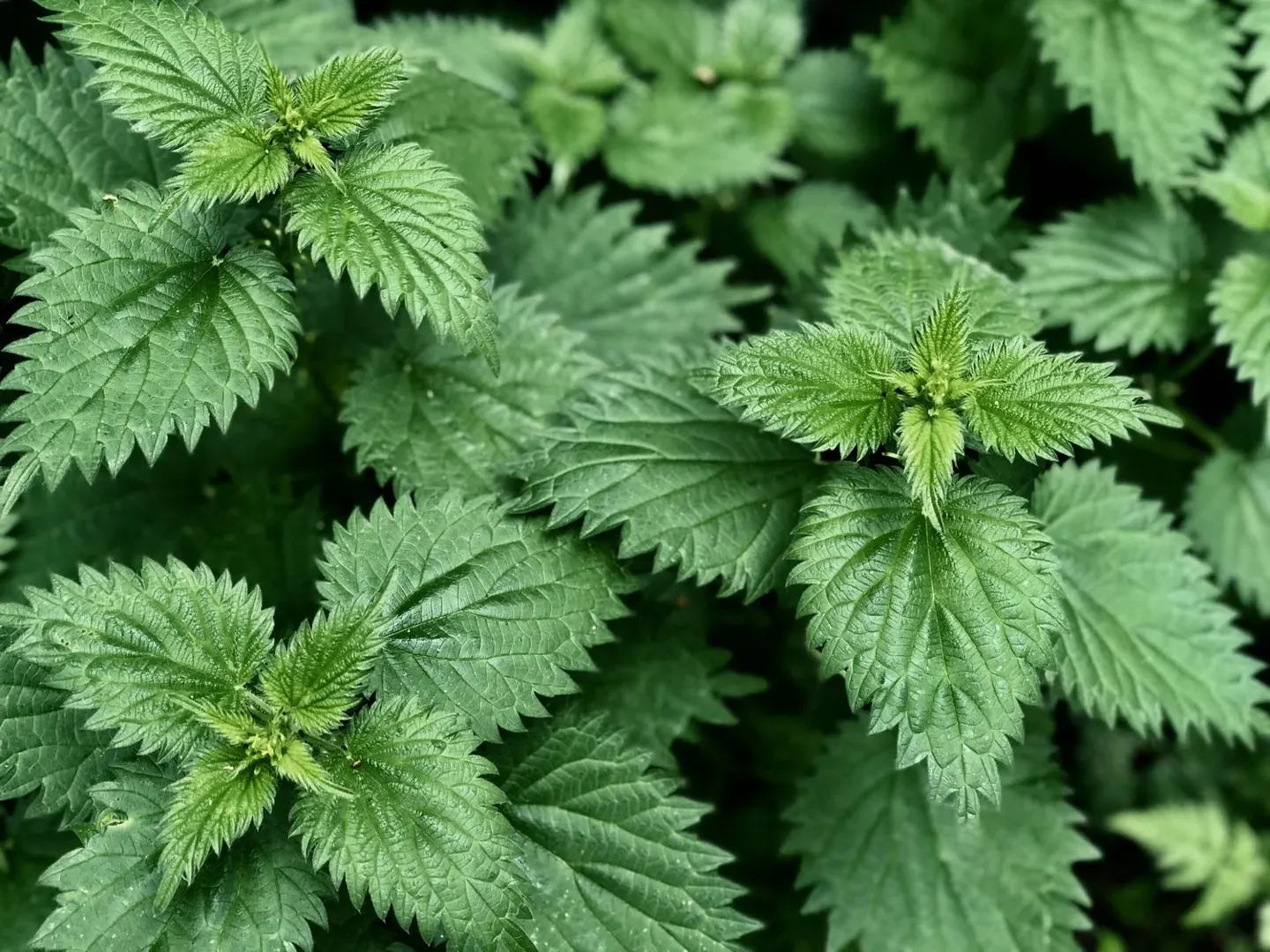
Nettle has long been welcomed as a spring green and an herbal ally. The leaf and aerial herb have traditional uses in minor joint discomfort and urinary care. Its green, earthy character also gives it a familiar place in food and infusion traditions.
- Traditional nourishment
- Urinary traditions
Begin with the leaf
Properly prepared nettle leaves connect the kitchen with the apothecary. European herbal practice includes aerial-part preparations for specific joint and urinary concerns, giving this common plant a practical traditional identity.
The root has its own story
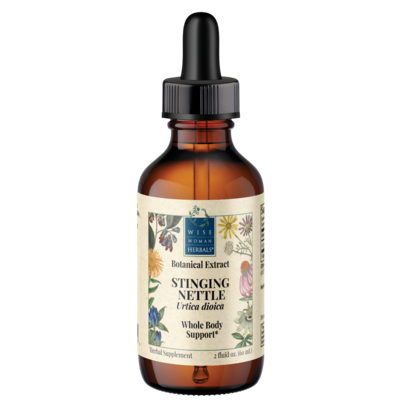
Nettle-root preparations are used differently from the leaf. Seeing the plant part clearly identified on a label makes it easier to connect the bottle with the purpose you are exploring.
From the plant to my apothecary
My selection.
This is my featured nettle preparation, with a separate nettle-root extract also in the collection. I like making the plant part visible so each bottle connects clearly with its own herbal role.
Another preparation in my collection
I may earn income from purchases through my Fullscript shop.
Meet the botanical
Urtica dioica L.; Urtica urens L.
- Family
- Urticaceae
- Parts in focus
- Leaves and above-ground herb; roots and rhizomes are different medicinal materials and are not interchangeable with the leaf.
Common uses
Traditional and everyday uses, at a glance.
| Common use | Part & preparation |
|---|---|
| Seasonal nourishment | Properly cooked, identified nettle greens |
| Minor urinary traditions | Specified herb preparations |
| Joint-care traditions | Prepared aerial-part products |
A short history
Nettle links seasonal greens with herbal traditions of renewal. Its leaves, aerial herb and root have different roles and should be named separately.
Energy & character
Richly green and substantial as a cooked food; the fresh plant’s sting gives way to a different experience after proper preparation.
Symbolism
For a personal ritual, nettle can represent transformation and renewal: tending something carefully until it becomes nourishing.
The research & references
What the studies tell us
EMA recognizes particular nettle-herb uses on the basis of longstanding tradition. A short, older allergic-rhinitis trial was preliminary, and root studies cannot be applied to leaf preparations. Nettle is not a substitute for assessing urinary symptoms, unexplained swelling, or persistent joint pain.
Care with this plant.
Fresh-plant sting; allergy and gastrointestinal effects; medicinal pregnancy/lactation data inadequate; avoid flushing therapy with fluid restriction; review use with diuretics or heart/kidney disease.
Research relates to the species, preparation, and people studied. Findings for an ingredient do not establish the effects of the complete featured formula.
Explore the sources
About this article & supplement statements
These statements have not been evaluated by the Food and Drug Administration. These products are not intended to diagnose, treat, cure, or prevent any disease.
Medicine Wild offers botanical education from Dr. Michele Burklund’s naturopathic and functional medicine perspective. This article is for informational purposes and does not replace individual medical advice, diagnosis, or treatment. A qualified practitioner can help you choose care suited to your health history.
A little more to know
Questions about stinging nettle.
What is the botanical name of stinging nettle?
Stinging Nettle is identified in this monograph as Urtica dioica L.; Urtica urens L.. Its botanical family is Urticaceae.
Which parts of stinging nettle are used?
Leaves and above-ground herb; roots and rhizomes are different medicinal materials and are not interchangeable with the leaf.
What does research say about stinging nettle?
EMA recognizes specific traditional herb uses; the short allergic-rhinitis trial is preliminary. Leaf, herb and root evidence are kept separate.
What should I know before using stinging nettle?
Fresh-plant sting; allergy and gastrointestinal effects; medicinal pregnancy/lactation data inadequate; avoid flushing therapy with fluid restriction; review use with diuretics or heart/kidney disease.
Where can I read the research on stinging nettle?
These sources are included in the monograph’s reference list.