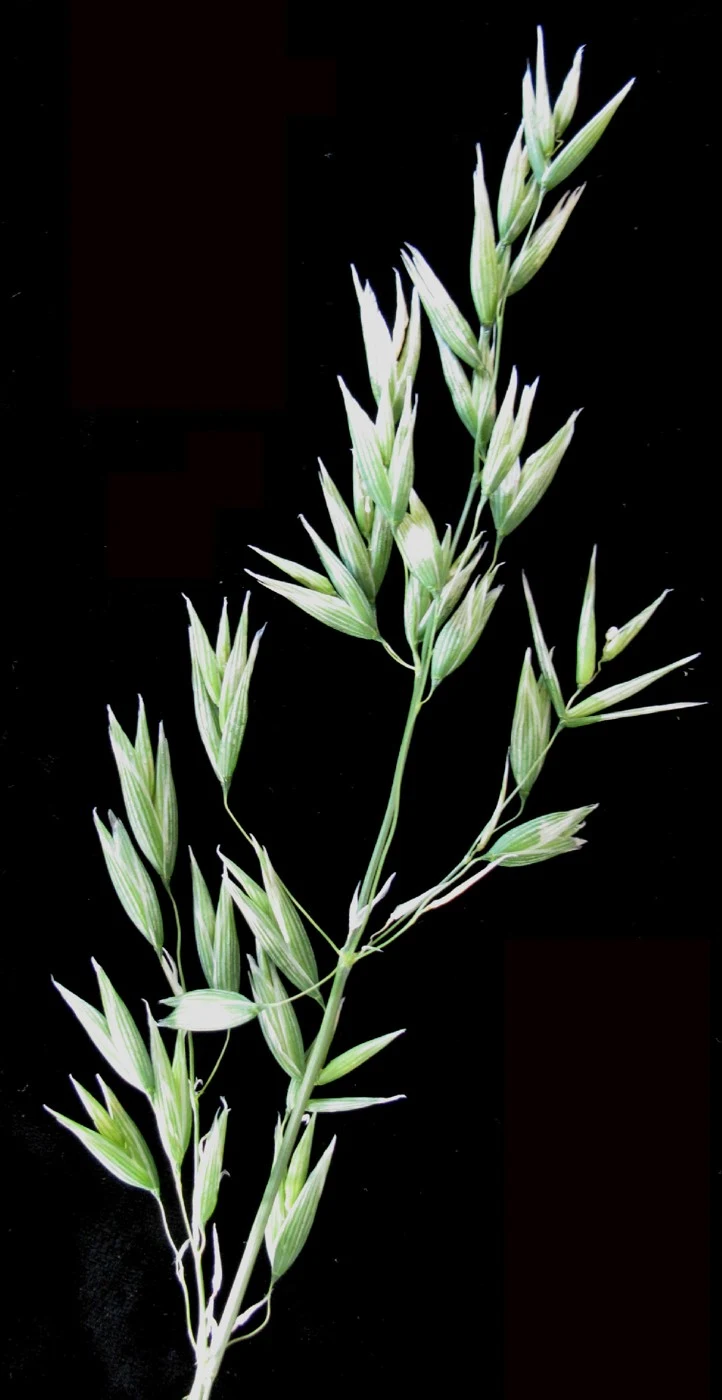
Oats belong to more than the breakfast bowl. Herbalists also use green aerial growth, immature milky seed, and dried straw from Avena sativa. Traditional oat-herb preparations are associated with mild stress and supporting rest.
- Nervine tradition
- Traditional nourishment
- Skin traditions
The restorative tradition
Milky oats and oat herb have a long place in the conversation about feeling depleted and finding steadiness. Specific green-oat extracts have also been studied for attention and working memory, adding a focused research thread.
Comfort for the skin
Finely processed colloidal oatmeal has an established place in skin-protectant products. A soothing moisturizer, a nourishing bowl of oats, and an herbal extract each reveal a different side of the same useful plant.
Meet the botanical
Avena sativa L.
- Family
- Poaceae
- Parts in focus
- Preflowering aerial herb, immature milky seed tops, and straw are distinct from mature grain and colloidal oatmeal.
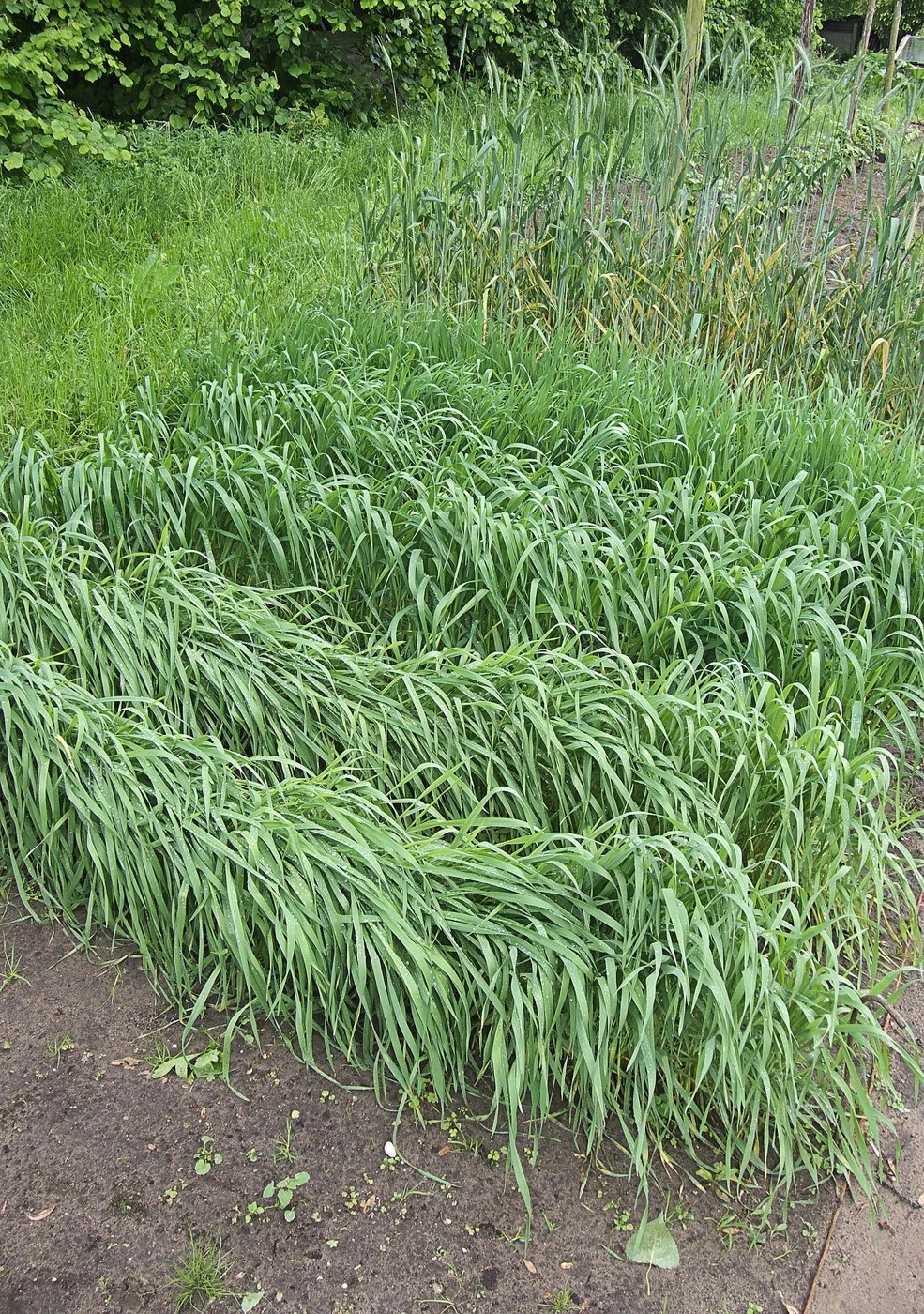
ⓘ Photograph credits
Avena sativa · Rasbak · Original photograph · CC BY-SA 3.0. Resized and converted to WebP; displayed with a crop. No generative edits.
Common uses
Traditional and everyday uses, at a glance.
| Common use | Part & preparation |
|---|---|
| Everyday nourishment | Oat grain as food |
| Restorative nervine traditions | Green oat herb or milky oat preparations |
| Dry, itchy skin care | Prepared colloidal oatmeal products |
A short history
Western herbalists, including Eclectic practitioners, described oats as a restorative nervine. Household traditions also used oats in soothing washes and poultices.
Energy & character
Mild, sustaining and comforting, with different characters in the nourishing grain and green aerial herb.
Symbolism
For reflection, oats can stand for ordinary restoration: breakfast, enough time between commitments, and the willingness to ask for help.
The research & references
What the studies tell us
EMA recognizes oat herb’s stress and sleep uses on the basis of longstanding tradition. A 2020 trial of a specific green-oat extract found improvements in some cognitive tasks, without a mood benefit. Those results do not establish equivalent effects for oat straw, milky oats, or breakfast oats.
Care with this plant.
Avoid with oat allergy. Check gluten cross-contact for celiac disease. Concentrated herbal preparations lack adequate pregnancy/lactation data; topical products can irritate susceptible skin.
Research relates to the species, preparation, and people studied. Findings for an ingredient do not establish the effects of the complete featured formula.
Explore the sources
- American Botanical Council: Oat, HerbalGram 135
- EMA: Avenae herba
- Kennedy et al. Acute and chronic effects of green oat extract
- Wong et al. Chronic effects of wild green oat extract in older adults
- FDA: OTC Monograph M016, Skin Protectant Drug Products
- NIDDK: Eating, Diet, and Nutrition for Celiac Disease
About this article & supplement statements
These statements have not been evaluated by the Food and Drug Administration. These products are not intended to diagnose, treat, cure, or prevent any disease.
Medicine Wild offers botanical education from Dr. Michele Burklund’s naturopathic and functional medicine perspective. This article is for informational purposes and does not replace individual medical advice, diagnosis, or treatment. A qualified practitioner can help you choose care suited to your health history.
A little more to know
Questions about oats.
What is the botanical name of oats?
Oats is identified in this monograph as Avena sativa L.. Its botanical family is Poaceae.
Which parts of oats are used?
Preflowering aerial herb, immature milky seed tops, and straw are distinct from mature grain and colloidal oatmeal.
What does research say about oats?
Selected green-oat extracts have mixed cognitive trial findings; the 2020 study did not improve mood. Traditional aerial-herb and milky-oat use is separate from mature-grain nutrition and colloidal-oatmeal skin evidence.
What should I know before using oats?
Avoid with oat allergy. Check gluten cross-contact for celiac disease. Concentrated herbal preparations lack adequate pregnancy/lactation data; topical products can irritate susceptible skin.
Where can I read the research on oats?
These sources are included in the monograph’s reference list.