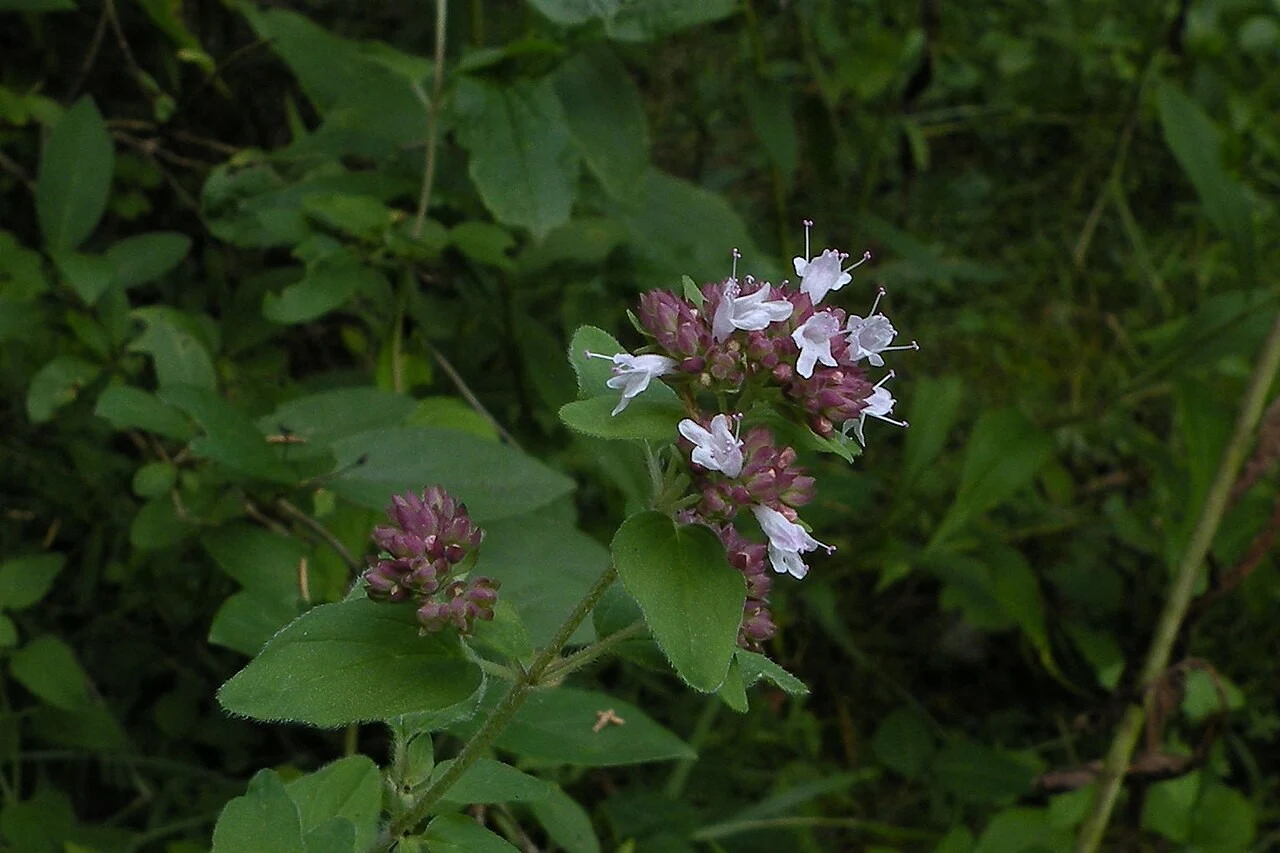
Oregano brings fragrance, depth, and a slightly bitter edge to food. Origanum vulgare belongs to the mint family, and its leaves and flowering tops have long been used in traditional digestive care. It is an easy plant to meet first in the kitchen.
- Digestive tradition
Small leaf, distinctive chemistry
Carvacrol and thymol are among its aromatic compounds. They have attracted laboratory research and help explain the intense character of oregano oil. Human evidence for many supplement claims remains limited.
Understand the form
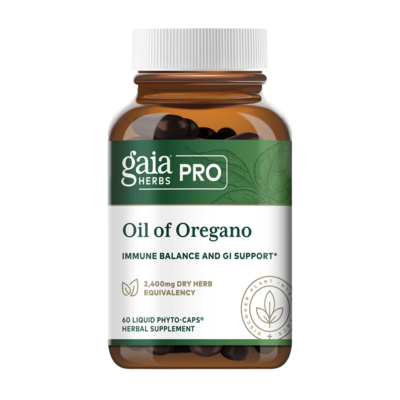
A culinary leaf, an infusion, and a prepared oil capsule offer very different concentrations. Seeing the full formula helps connect oregano’s familiar flavor with its more focused role in the apothecary.
From the plant to my apothecary
My selection.
These capsules bring oregano’s aromatic compounds into a concentrated oil preparation. I chose them as a focused apothecary option, with the full formula and intended use explained on the label.
I may earn income from purchases through my Fullscript shop.
Meet the botanical
Origanum vulgare L.
- Family
- Lamiaceae
- Parts in focus
- Leaves and flowering aerial parts, fresh or dried; essential oil is a distinct concentrated preparation.
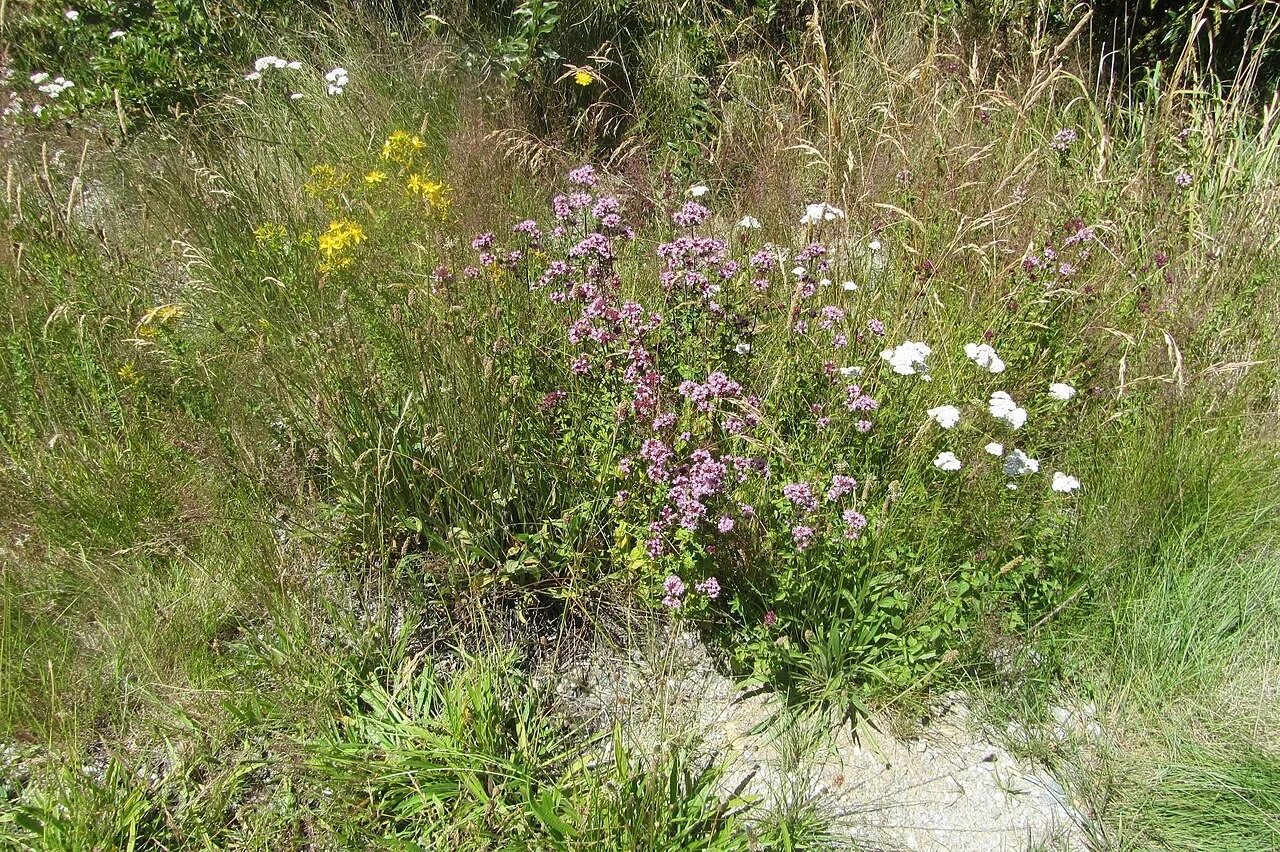
ⓘ Photograph credits
Origanum vulgare · Ewen Cameron · Original photograph · CC BY 4.0. Resized and converted to WebP; displayed with a crop. No generative edits.
Common uses
Traditional and everyday uses, at a glance.
| Common use | Part & preparation |
|---|---|
| Kitchen flavor | Fresh or dried culinary leaves |
| Digestive traditions | Identified leaf and flowering-top preparations |
| Respiratory traditions | Traditional herb preparations, distinct from concentrated oil |
A short history
Oregano’s European herbal history includes digestive and respiratory uses. Its regular place in cooking also carries knowledge through repeated, familiar meals.
Energy & character
Pungent, green and aromatic, bringing a vigorous savory character to food.
Symbolism
For a personal ritual, oregano can symbolize belonging: the familiar scent that turns the end of a busy day into a meal at home.
The research & references
What the studies tell us
Laboratory antimicrobial findings are not evidence that an oregano product treats an infection or repairs the microbiome. A small uncontrolled human report involving 14 adults cannot establish clinical efficacy. The digestive role described here is traditional; essential oil should not be swallowed or applied undiluted as a home remedy.
Care with this plant.
No DIY swallowed essential oil, undiluted mucosal application, or child use. Concentrated oils can irritate, poison, or be aspirated. Persistent or severe infection/GI symptoms require assessment.
Research relates to the species, preparation, and people studied. Findings for an ingredient do not establish the effects of the complete featured formula.
Explore the sources
About this article & supplement statements
These statements have not been evaluated by the Food and Drug Administration. These products are not intended to diagnose, treat, cure, or prevent any disease.
Medicine Wild offers botanical education from Dr. Michele Burklund’s naturopathic and functional medicine perspective. This article is for informational purposes and does not replace individual medical advice, diagnosis, or treatment. A qualified practitioner can help you choose care suited to your health history.
A little more to know
Questions about oregano.
What is the botanical name of oregano?
Oregano is identified in this monograph as Origanum vulgare L.. Its botanical family is Lamiaceae.
Which parts of oregano are used?
Leaves and flowering aerial parts, fresh or dried; essential oil is a distinct concentrated preparation.
What does research say about oregano?
Traditional digestive and respiratory uses are documented. Laboratory antimicrobial activity and a very small uncontrolled human report do not establish treatment of infection, parasites, Candida, or microbiome dysbiosis.
What should I know before using oregano?
No DIY swallowed essential oil, undiluted mucosal application, or child use. Concentrated oils can irritate, poison, or be aspirated. Persistent or severe infection/GI symptoms require assessment.
Where can I read the research on oregano?
These sources are included in the monograph’s reference list.