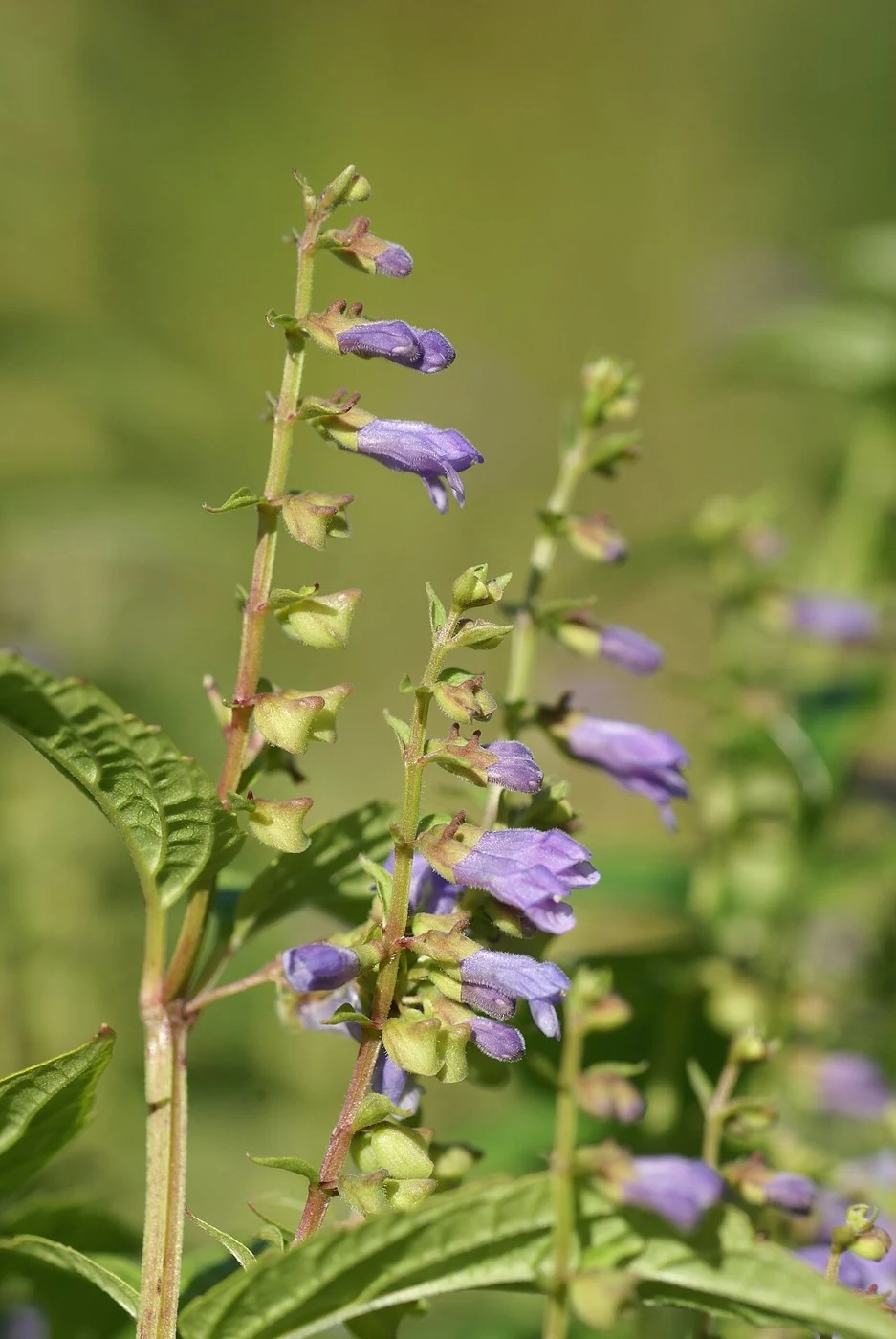
Passionflower is an evening botanical with a particularly memorable bloom. The leaves and stems of Passiflora incarnata are used in traditional preparations for settling and rest. Small human studies have also found improvements in some sleep outcomes.
- Nervine tradition
Let the mind settle
Herbalists place passionflower among the nervines: plants traditionally used to support a calmer state. Its appeal is easy to understand when the body is ready for bed and the mind is still occupied.
Give the evening some space
Softer light, fewer demands, and time to finish the day can make a sleep routine feel more inviting. A tea or liquid extract offers a different preparation of this familiar Western calming herb.
From the plant to my apothecary
My selection.
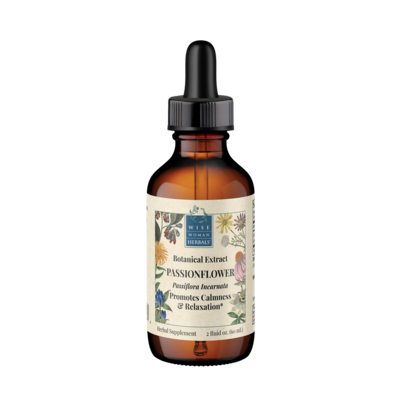
This liquid extract names Passiflora incarnata, the vine behind the Western calming tradition. I chose it as a focused botanical for the conversation about settling into an evening rhythm.
I may earn income from purchases through my Fullscript shop.
Meet the botanical
Passiflora incarnata L.
- Family
- Passifloraceae
- Parts in focus
- Aerial parts, including leaves, stems, and flowers; not interchangeable with passion-fruit juice.
Common uses
Traditional and everyday uses, at a glance.
| Common use | Part & preparation |
|---|---|
| Mild stress & restlessness | Aerial-part infusions or specified extracts |
| Evening rest | Identified Passiflora incarnata products |
A short history
Passiflora incarnata is native to the southeastern United States. Its later Christian name reflects an interpretation of the flower’s structures as symbols of the Passion of Christ.
Energy & character
Quiet and unwinding in the nervine tradition, with a mild green-herb taste.
Symbolism
The flower’s Christian symbolism is one documented cultural layer. For a personal practice, its winding vine can suggest loosening a thought that keeps circling.
The research & references
What the studies tell us
A short tea trial reported better subjective sleep quality, and an extract trial found a total-sleep-time signal. Other sleep measures have been inconsistent. These findings support further study rather than a promise of treating insomnia. Passionflower should be avoided during pregnancy, and sedative combinations require review.
Care with this plant.
Avoid during pregnancy. Sedation, dizziness, and confusion are possible; review alcohol, sedative, and anesthesia combinations. Lactation safety is unknown.
Research relates to the species, preparation, and people studied. Findings for an ingredient do not establish the effects of the complete featured formula.
Explore the sources
- American Botanical Council: Passionflower, HerbalGram 112
- Lee et al. Passiflora incarnata and polysomnographic sleep parameters
- Randomized clinical study of Passiflora incarnata in participants with stress and sleep problems
- Ngan and Conduit: Passionflower herbal tea and subjective sleep quality
- NCCIH: Passionflower
About this article & supplement statements
These statements have not been evaluated by the Food and Drug Administration. These products are not intended to diagnose, treat, cure, or prevent any disease.
Medicine Wild offers botanical education from Dr. Michele Burklund’s naturopathic and functional medicine perspective. This article is for informational purposes and does not replace individual medical advice, diagnosis, or treatment. A qualified practitioner can help you choose care suited to your health history.
A little more to know
Questions about passionflower.
What is the botanical name of passionflower?
Passionflower is identified in this monograph as Passiflora incarnata L.. Its botanical family is Passifloraceae.
Which parts of passionflower are used?
Aerial parts, including leaves, stems, and flowers; not interchangeable with passion-fruit juice.
What does research say about passionflower?
Short human trials suggest benefits for some sleep outcomes; the 2020 trial showed a total-sleep-time signal without consistent advantages across other parameters. Tea and standardized extracts differ.
What should I know before using passionflower?
Avoid during pregnancy. Sedation, dizziness, and confusion are possible; review alcohol, sedative, and anesthesia combinations. Lactation safety is unknown.
Where can I read the research on passionflower?
These sources are included in the monograph’s reference list.