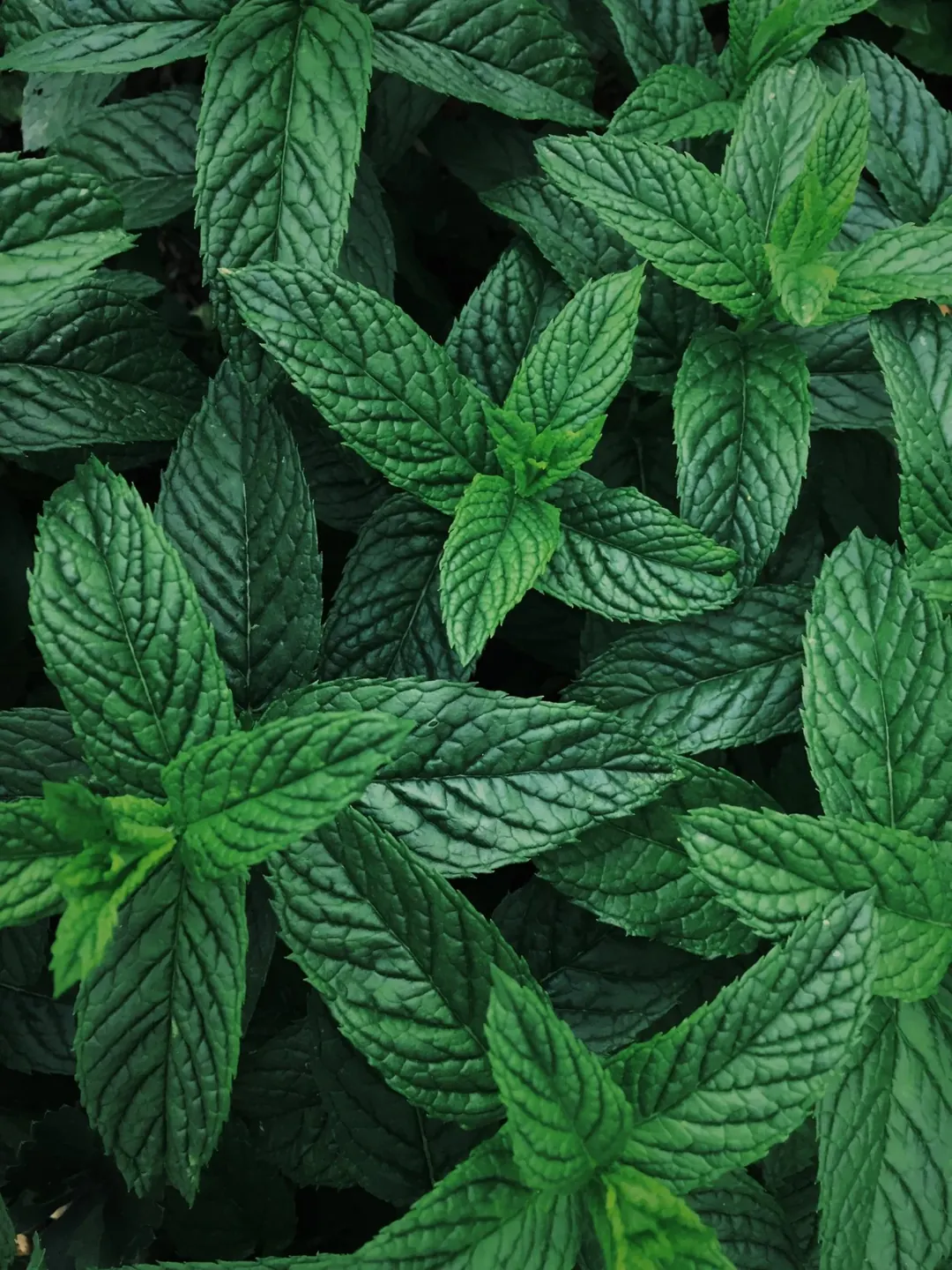
Peppermint is one of the most recognizable herbs in digestive care. The leaf makes a fragrant after-meal infusion, while particular enteric-coated oil capsules have been studied for abdominal discomfort in people with irritable bowel syndrome.
- Digestive tradition
Ease the gripping feeling
Peppermint oil has been investigated for its effects on smooth muscle in the digestive tract. That helps explain the interest in specific capsules for cramping and discomfort, with their release pattern forming part of the preparation.
Enjoy the leaf’s simple pleasures
Mentha × piperita brings a clean, cooling flavor to the teacup. An unhurried infusion offers a lighter way to enjoy the plant’s sensory character, alongside its separate clinical story in concentrated oil preparations.
Meet the botanical
Mentha × piperita L.
- Family
- Lamiaceae
- Parts in focus
- Leaf for tea; distilled leaf and flowering-top oil in formulated products
Common uses
Traditional and everyday uses, at a glance.
| Common use | Part & preparation |
|---|---|
| After-meal comfort | Leaf infusion |
| Culinary freshness | Food-grade leaves |
| Irritable-bowel symptom care | Specific enteric-coated oil products, distinct from leaf tea |
A short history
Peppermint belongs to the aromatic digestive tradition. Everyday leaf teas and carefully formulated peppermint-oil medicines represent different branches of its use.
Energy & character
Cooling in sensation, bright and aromatic, with a clean green finish.
Symbolism
For reflection, peppermint can symbolize a fresh pause: clearing the table, noticing the breath, and allowing a meal to settle into the day.
The research & references
What the studies tell us
Clinical findings for enteric-coated peppermint oil are mixed. A rigorous 2020 trial did not meet its primary endpoints, although one preparation improved several secondary symptom measures. Tea has not been shown equivalent to these capsules. Peppermint can aggravate reflux, and undiluted essential oil should not be swallowed.
Care with this plant.
Reflux and irritation are important tolerability concerns. Do not ingest undiluted oil or use menthol near infants. Medication timing, pregnancy, and breastfeeding warrant individualized review.
Research relates to the species, preparation, and people studied. Findings for an ingredient do not establish the effects of the complete featured formula.
Explore the sources
- Peppermint Oil Improves Symptoms of Irritable Bowel Syndrome with No Severe Adverse Effects
- Peppermint Oil: Usefulness and Safety
- Efficacy and Safety of Peppermint Oil in a Randomized, Double-Blind Trial of Patients With Irritable Bowel Syndrome
- Efficacy and safety of peppermint oil for the treatment in Japanese patients with irritable bowel syndrome
- European Union herbal monograph on Mentha × piperita L., aetheroleum: Revision 1
About this article & supplement statements
These statements have not been evaluated by the Food and Drug Administration. These products are not intended to diagnose, treat, cure, or prevent any disease.
Medicine Wild offers botanical education from Dr. Michele Burklund’s naturopathic and functional medicine perspective. This article is for informational purposes and does not replace individual medical advice, diagnosis, or treatment. A qualified practitioner can help you choose care suited to your health history.
A little more to know
Questions about peppermint.
What is the botanical name of peppermint?
Peppermint is identified in this monograph as Mentha × piperita L.. Its botanical family is Lamiaceae.
Which parts of peppermint are used?
Leaf for tea; distilled leaf and flowering-top oil in formulated products
What does research say about peppermint?
Enteric-coated peppermint oil has mixed but suggestive IBS evidence; one rigorous trial missed primary endpoints. Leaf tea has not been shown equivalent.
What should I know before using peppermint?
Reflux and irritation are important tolerability concerns. Do not ingest undiluted oil or use menthol near infants. Medication timing, pregnancy, and breastfeeding warrant individualized review.
Where can I read the research on peppermint?
These sources are included in the monograph’s reference list.