When life feels demanding and energy feels stretched, rhodiola is one of the botanicals often discussed. Rhodiola rosea has traditionally been used for fatigue during stressful periods, and particular extracts have been studied for mental-work capacity and attention.
- Adaptogenic tradition
A focus on daytime resilience
Rhodiola is often called an adaptogen, an herbal term connected with supporting the response to stress. Its traditional character is especially associated with meeting the day’s demands and recovering from overextension.
Keep recovery in the routine
Regular meals, restorative sleep, and realistic space between commitments all matter. Rhodiola’s place is within that broader rhythm, with the root-and-rhizome preparation chosen around the kind of tiredness you are experiencing.
From the plant to my apothecary
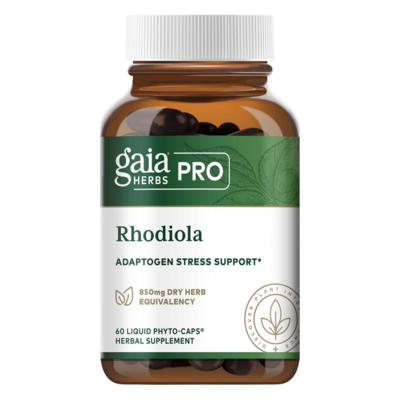
My selection.
I chose these capsules for readers interested in rhodiola’s traditional role during demanding periods. A Wise Woman Herbals liquid extract is also available in the collection, giving the root two distinct preparations.
Another preparation in my collection
I may earn income from purchases through my Fullscript shop.
Meet the botanical
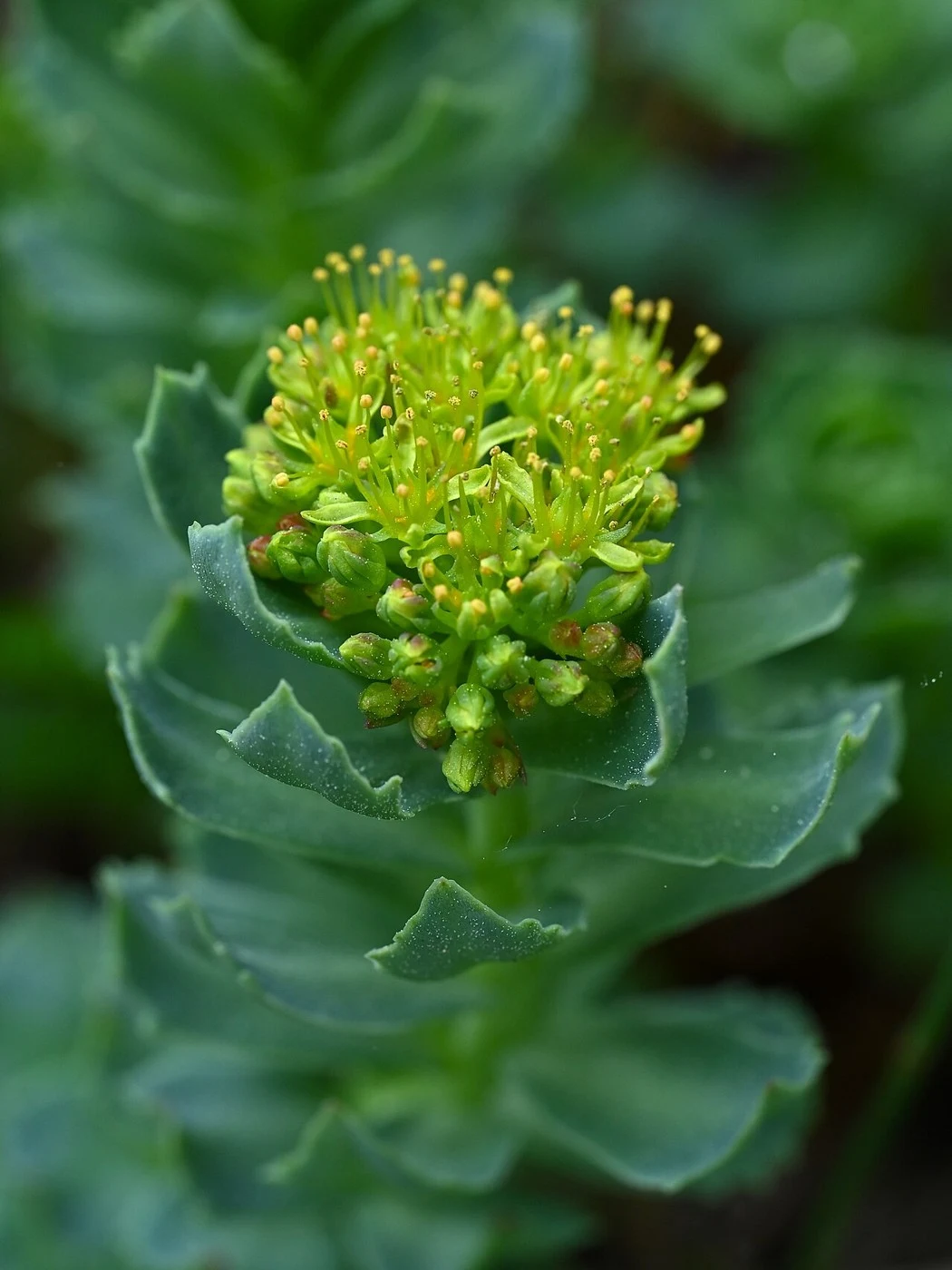
Rhodiola rosea
- Family
- Crassulaceae
- Parts in focus
- Rhizome and root; usually dried material or a specified extract.
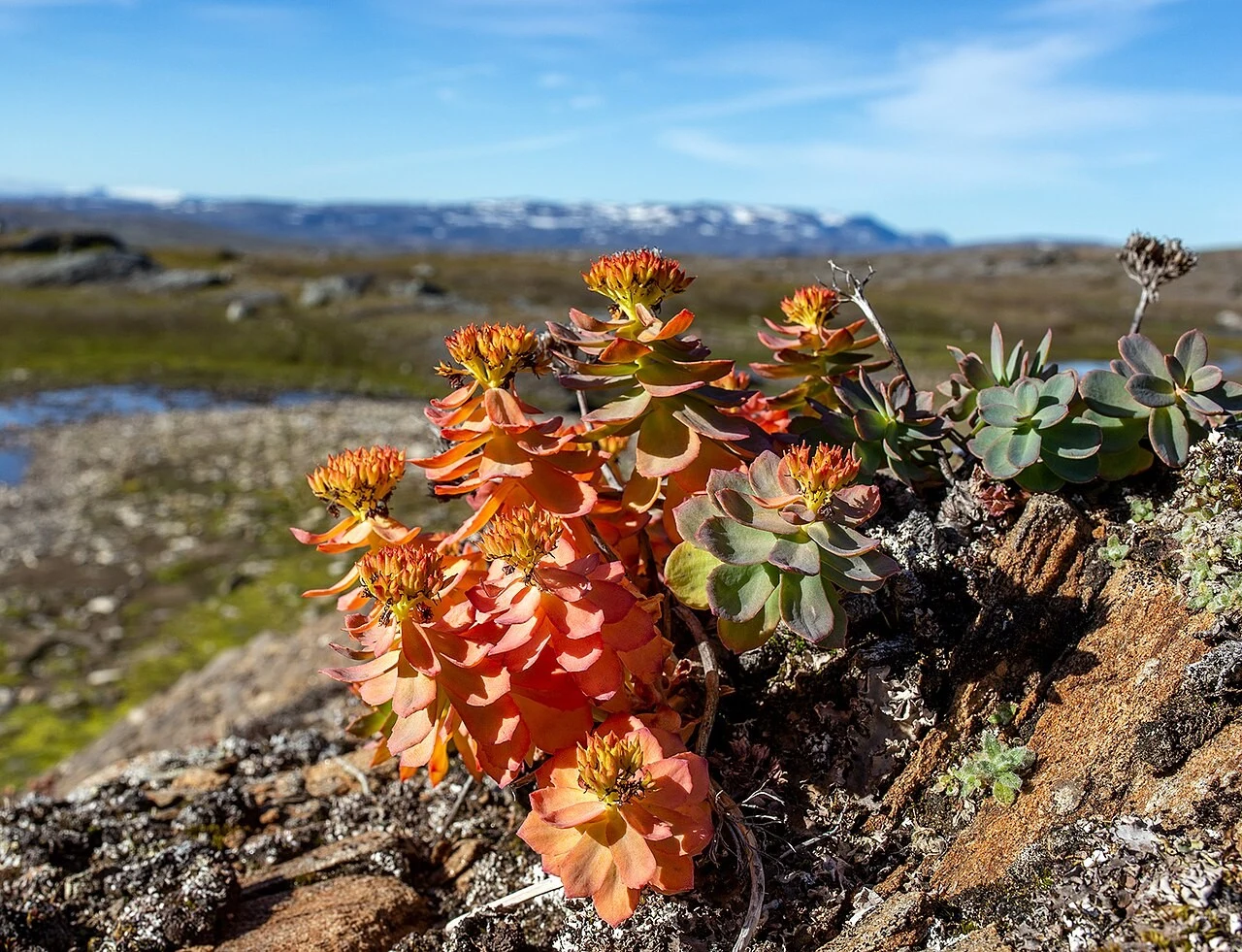
ⓘ Photograph credits
Rhodiola rosea · SiberianJay · Original photograph · CC BY-SA 4.0. Resized and converted to WebP; displayed with a crop. No generative edits.
Common uses
Traditional and everyday uses, at a glance.
| Common use | Part & preparation |
|---|---|
| Temporary stress-related fatigue | Specified root and rhizome preparations |
| Tonic traditions | Identified Rhodiola rosea products |
A short history
Rhodiola’s root and rhizome have a traditional tonic role in fatigue and weakness. Modern products carry that history into a market of widely varying extracts.
Energy & character
A firm, bracing tonic character, with the distinct root rather than the flowering plant at the center of herbal use.
Symbolism
For reflection, rhodiola can symbolize making room for recovery: resilience that includes rest rather than constant effort.
The research & references
What the studies tell us
EMA recognizes temporary relief of stress-related fatigue and weakness as a traditional use. Small clinical trials provide signals for selected outcomes, but their populations and extracts vary. These findings do not establish treatment of chronic fatigue or universal stress resilience. Persistent exhaustion deserves assessment.
Care with this plant.
Insomnia, headache, dizziness; reported losartan interaction; pregnancy/lactation data inadequate; review psychiatric medicines and persistent fatigue.
Research relates to the species, preparation, and people studied. Findings for an ingredient do not establish the effects of the complete featured formula.
Explore the sources
About this article & supplement statements
These statements have not been evaluated by the Food and Drug Administration. These products are not intended to diagnose, treat, cure, or prevent any disease.
Medicine Wild offers botanical education from Dr. Michele Burklund’s naturopathic and functional medicine perspective. This article is for informational purposes and does not replace individual medical advice, diagnosis, or treatment. A qualified practitioner can help you choose care suited to your health history.
A little more to know
Questions about rhodiola.
What is the botanical name of rhodiola?
Rhodiola is identified in this monograph as Rhodiola rosea. Its botanical family is Crassulaceae.
Which parts of rhodiola are used?
Rhizome and root; usually dried material or a specified extract.
What does research say about rhodiola?
Small, heterogeneous, preparation-specific studies include acute mental-performance signals; no established broad stress-resilience or chronic-fatigue treatment effect.
What should I know before using rhodiola?
Insomnia, headache, dizziness; reported losartan interaction; pregnancy/lactation data inadequate; review psychiatric medicines and persistent fatigue.
Where can I read the research on rhodiola?
These sources are included in the monograph’s reference list.