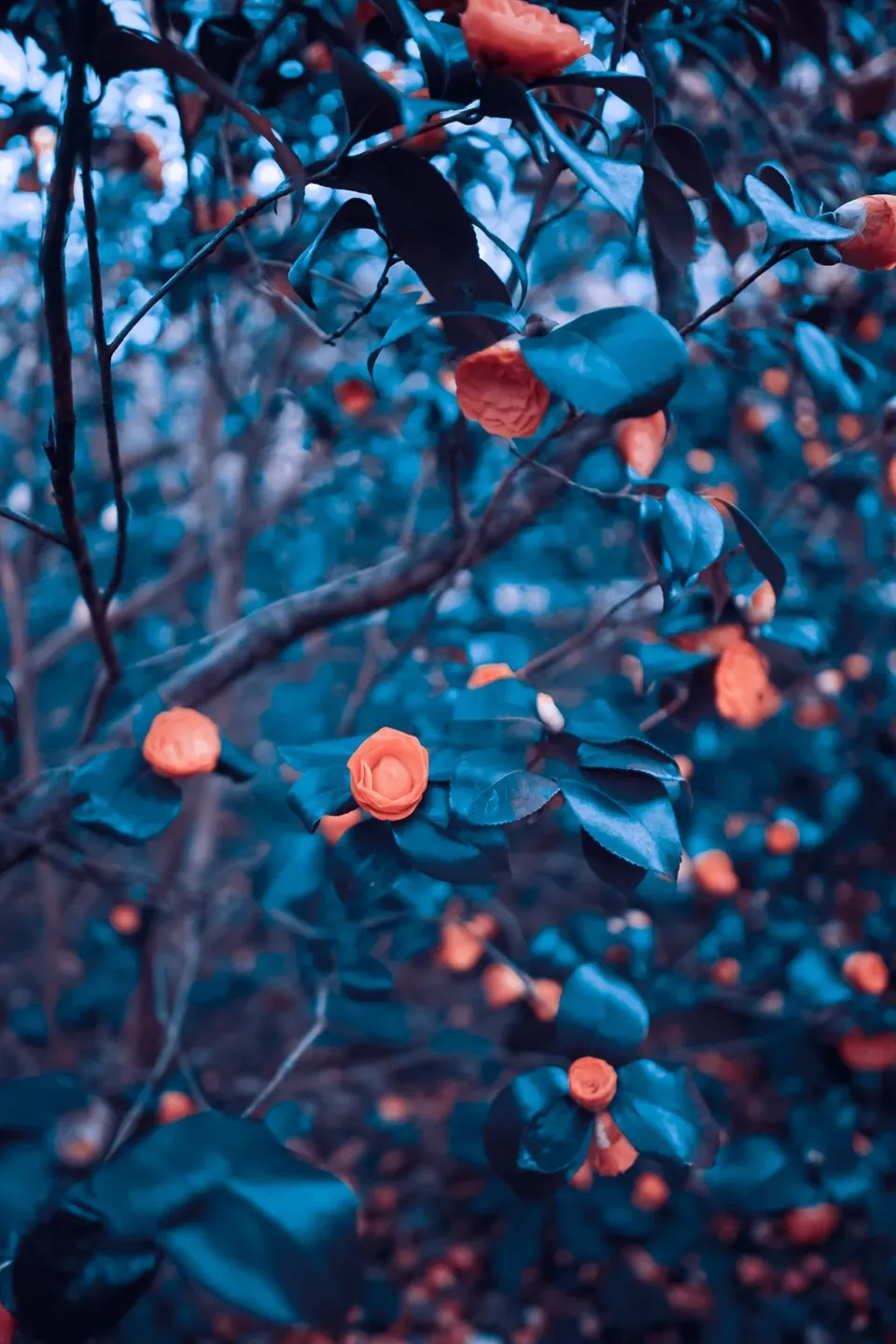
Rose makes everyday care feel a little more considered. Its petals have a history in gentle skin and mouth care, while its fragrance offers a familiar sensory pleasure. Damask rose, Rosa × damascena, is especially valued for its scent.
- Nervine tradition
- Skin traditions
Gentle topical traditions
European herbal practice includes petal preparations for minor irritation of the skin and lining of the mouth. A well-made topical formula gives that tradition a practical expression through texture, application, and comfort.
Let beauty be part of the ritual
Rose water, dried petals, and essential oil are distinct preparations. A fragrance you enjoy or a texture that feels lovely can be enough to make an ordinary moment of care worth returning to.
Meet the botanical
Rosa × damascena Mill. (Damask rose)
- Family
- Rosaceae
- Parts in focus
- Petals; distilled rose water or hydrosol; concentrated flower essential oil, each a distinct preparation.
Common uses
Traditional and everyday uses, at a glance.
| Common use | Part & preparation |
|---|---|
| Culinary fragrance | Food-grade petals or culinary rose water |
| Aromatic rituals | The living flower or appropriately prepared fragrance |
| Skin & mouth-care traditions | Specified petal preparations |
A short history
Rose has long connected food, fragrance and emotional care. Damask rose traditions carry associations of love and beauty alongside more practical uses of petals and aromatic preparations.
Energy & character
Fragrant, gently astringent and heart-centered in its traditional and sensory character.
Symbolism
Love, beauty, grief and tenderness are documented rose associations. A flower can hold space for what is cherished and what is missed.
The research & references
What the studies tell us
EMA’s recognition of rose-petal use rests mainly on longstanding tradition. Small aromatherapy studies have explored setting-specific comfort outcomes, including during burn care; they do not establish broad mood or pain treatment claims. Petal preparations, rose water, and essential oil should not be treated as interchangeable.
Care with this plant.
Fragrance/contact allergy; no neat oil, ingestion or eye use; medicinal pregnancy/lactation data limited; serious pain or distress requires assessment.
Research relates to the species, preparation, and people studied. Findings for an ingredient do not establish the effects of the complete featured formula.
Explore the sources
About this article & supplement statements
These statements have not been evaluated by the Food and Drug Administration. These products are not intended to diagnose, treat, cure, or prevent any disease.
Medicine Wild offers botanical education from Dr. Michele Burklund’s naturopathic and functional medicine perspective. This article is for informational purposes and does not replace individual medical advice, diagnosis, or treatment. A qualified practitioner can help you choose care suited to your health history.
A little more to know
Questions about rose.
What is the botanical name of rose?
Rose is identified in this monograph as Rosa × damascena Mill. (Damask rose). Its botanical family is Rosaceae.
Which parts of rose are used?
Petals; distilled rose water or hydrosol; concentrated flower essential oil, each a distinct preparation.
What does research say about rose?
Small aromatherapy trials suggest setting-specific adjunctive effects; petal preparations have traditional-use recognition. Heart-centered language belongs to rose’s cultural, spiritual and experiential traditions.
What should I know before using rose?
Fragrance/contact allergy; no neat oil, ingestion or eye use; medicinal pregnancy/lactation data limited; serious pain or distress requires assessment.
Where can I read the research on rose?
These sources are included in the monograph’s reference list.