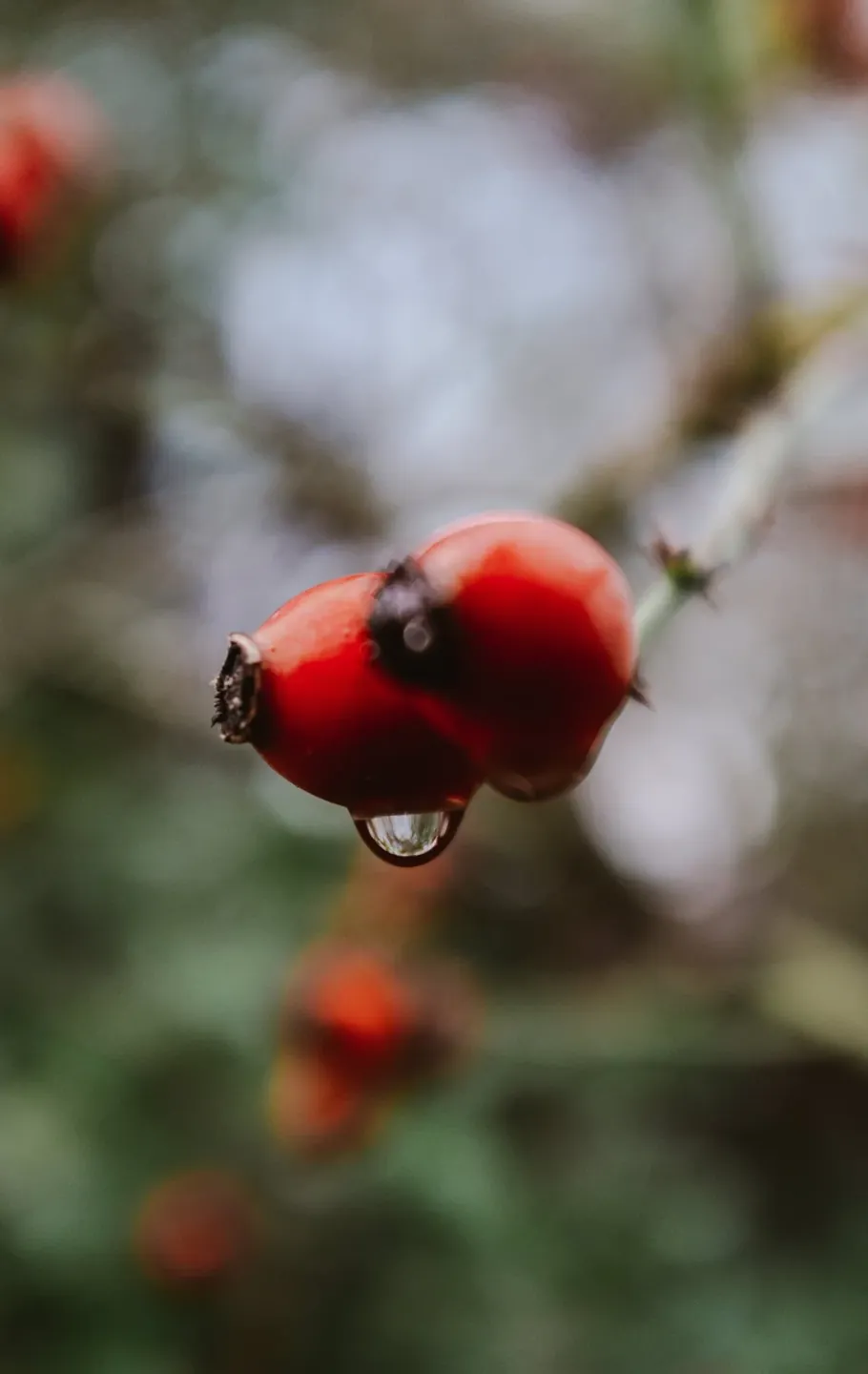
After the flower comes the fruit. Rosehips bring a tart taste and warm red color to food traditions, and particular seed-and-shell powders have been studied for joint comfort. Rosa canina is the species used in much of this research.
- Traditional nourishment
An interesting joint-care ingredient
Small trials have reported improvements in osteoarthritis symptoms with specific rosehip powders. That makes the fruit an appealing area of study for people interested in the relationship between botanicals and comfortable movement.
Fruit, powder, or oil?
A prepared tea, a solid extract, and a seed-and-shell powder have different compositions. Rosehip seed oil has its own topical role. Knowing the form helps you understand which part of the fruit’s story a product belongs to.
From the plant to my apothecary
My selection.
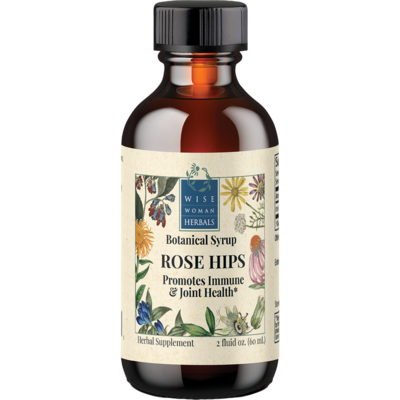
I chose this solid extract for its connection to rosehip’s food and herbal traditions. It brings the fruit into a concentrated preparation with a character of its own.
I may earn income from purchases through my Fullscript shop.
Meet the botanical
Rosa canina L. and other Rosa species
- Family
- Rosaceae
- Parts in focus
- Fleshy hips; some studied powders include seeds and shells; seed oil is distinct
Common uses
Traditional and everyday uses, at a glance.
| Common use | Part & preparation |
|---|---|
| Seasonal nourishment | Prepared hips in preserves and foods |
| Tart drinks | Properly strained, food-grade rosehip infusions |
| Joint-comfort care | Particular standardized rosehip powders |
A short history
Rosehips have a longstanding place in preserves and drinks that carry fruit into colder months. Their food history continues after the more conspicuous flowering has ended.
Energy & character
Tart, fruity and sustaining, with a different character from the fragrant rose petal.
Symbolism
For reflection, rosehips can represent quiet maturation: noticing what has developed after the obvious beauty of a season has passed.
The research & references
What the studies tell us
Small, older trials of defined Rosa canina powders reported reduced pain and, with longer use, some improvements in stiffness or disability. Those findings do not show that tea, syrup, or topical oil has the same effects, and they do not demonstrate cartilage regrowth.
Care with this plant.
Possible GI symptoms or allergy; concentrated-product interaction and pregnancy/lactation data are limited. Correct food identification and removal/straining of internal hairs are important.
Research relates to the species, preparation, and people studied. Findings for an ingredient do not establish the effects of the complete featured formula.
Explore the sources
- Special Danish Rose Hip Powder Reduces Pain and Stiffness of Osteoarthritis of the Hand
- A powder made from seeds and shells of a rose-hip subspecies (Rosa canina) reduces symptoms of knee and hip osteoarthritis
- The Effects of a Standardized Herbal Remedy Made from a Subtype of Rosa canina in Patients with Osteoarthritis
- Rosehip: uses and side effects
- Winterizing Your Rose Beds: rosehip food preparation
- Rosa canina
About this article & supplement statements
These statements have not been evaluated by the Food and Drug Administration. These products are not intended to diagnose, treat, cure, or prevent any disease.
Medicine Wild offers botanical education from Dr. Michele Burklund’s naturopathic and functional medicine perspective. This article is for informational purposes and does not replace individual medical advice, diagnosis, or treatment. A qualified practitioner can help you choose care suited to your health history.
A little more to know
Questions about rosehip.
What is the botanical name of rosehip?
Rosehip is identified in this monograph as Rosa canina L. and other Rosa species. Its botanical family is Rosaceae.
Which parts of rosehip are used?
Fleshy hips; some studied powders include seeds and shells; seed oil is distinct
What does research say about rosehip?
Small, older product-specific trials suggest osteoarthritis symptom benefit from seed-and-shell powders. No equivalence to tea or oil and no cartilage-regrowth claim.
What should I know before using rosehip?
Possible GI symptoms or allergy; concentrated-product interaction and pregnancy/lactation data are limited. Correct food identification and removal/straining of internal hairs are important.
Where can I read the research on rosehip?
These sources are included in the monograph’s reference list.
- Special Danish Rose Hip Powder Reduces Pain and Stiffness of Osteoarthritis of the Hand
- A powder made from seeds and shells of a rose-hip subspecies (Rosa canina) reduces symptoms of knee and hip osteoarthritis
- The Effects of a Standardized Herbal Remedy Made from a Subtype of Rosa canina in Patients with Osteoarthritis