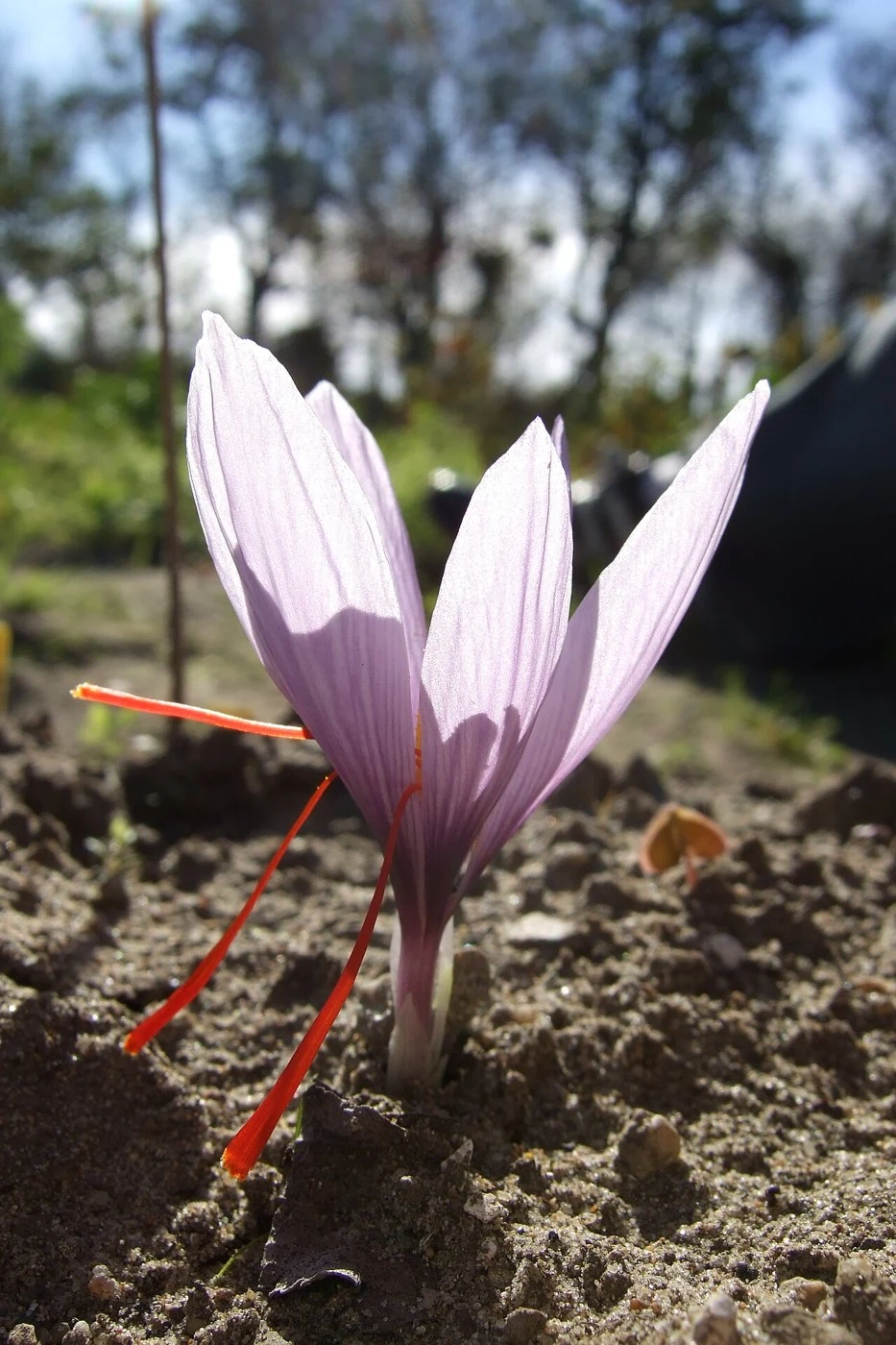
Saffron’s fine red threads bring color and aroma to food—and have inspired a growing body of research. Trials of defined extracts have reported improvements in mood symptoms or self-rated sleep quality. The threads are the dried stigmas of Crocus sativus.
- Nervine tradition
- Women’s herbal traditions
A brighter emotional rhythm
The mood research gives saffron an especially interesting place in botanical wellbeing. The findings follow particular extracts and people, with the aim of understanding how the preparation may support the way someone feels.
Make space for better rest
Saffron’s sleep research adds another layer to the story. Nourishing meals, daylight, connection, and a consistent evening rhythm form the wider setting for this small, beautifully colored botanical.
Meet the botanical
Crocus sativus L.
- Family
- Iridaceae
- Parts in focus
- Dried flower stigmas; characterized stigma extracts. Petal extracts are distinct materials.
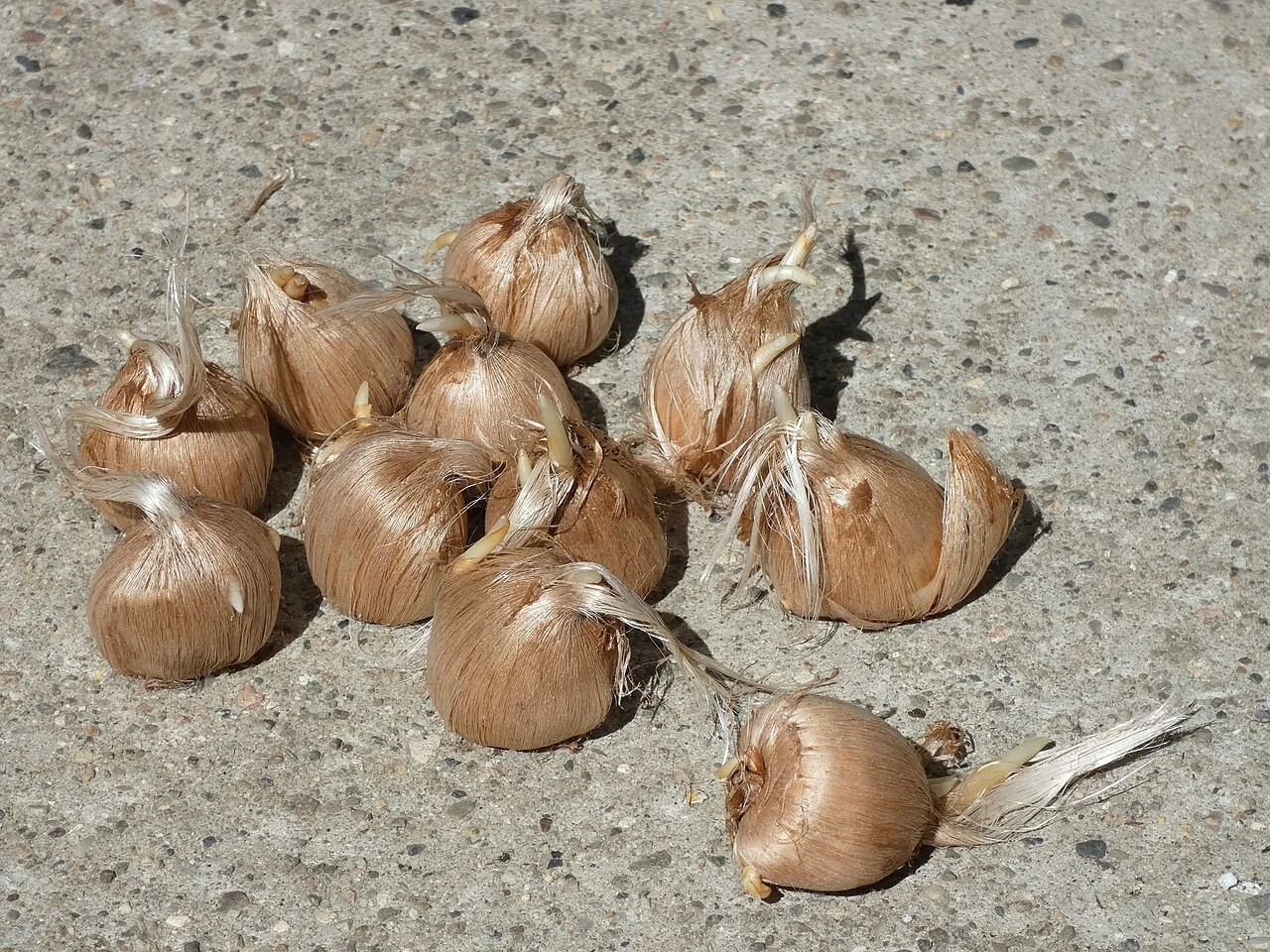
ⓘ Photograph credits
Crocus sativus · Stilfehler · Original photograph · CC BY-SA 4.0. Resized and converted to WebP; displayed with a crop. No generative edits.
Common uses
Traditional and everyday uses, at a glance.
| Common use | Part & preparation |
|---|---|
| Culinary color & fragrance | Small amounts of dried stigmas |
| Mood & sleep-related care | Specified extracts, chosen with a clinician |
| Women’s herbal traditions | Preparation-specific traditional uses |
A short history
Saffron has a substantial place in Persian medicine and also appears in historical Greek, Egyptian and Indian traditions. Its uses have included mood and menstrual experience.
Energy & character
Luminous in color, aromatic and gently bitter, with a warming sensory character in food.
Symbolism
For a personal ritual, saffron can symbolize considered beauty: taking time to make an ordinary meal feel generous and welcoming.
The research & references
What the studies tell us
A 2020 trial found improvements in several self-reported sleep measures with a defined extract. Other extract trials have examined mood, including in older women. Findings are preparation- and population-specific; some studies involve manufacturers, and not every outcome improves. Persistent mood or sleep symptoms require individual care.
Care with this plant.
Avoid concentrated pregnancy/labor use; pregnancy, lactation, pediatric, and medication contexts require individualized advice. Mood and sleep impairment deserve assessment; preserve urgent mental-health escalation without suggesting self-medication.
Research relates to the species, preparation, and people studied. Findings for an ingredient do not establish the effects of the complete featured formula.
Explore the sources
About this article & supplement statements
These statements have not been evaluated by the Food and Drug Administration. These products are not intended to diagnose, treat, cure, or prevent any disease.
Medicine Wild offers botanical education from Dr. Michele Burklund’s naturopathic and functional medicine perspective. This article is for informational purposes and does not replace individual medical advice, diagnosis, or treatment. A qualified practitioner can help you choose care suited to your health history.
A little more to know
Questions about saffron.
What is the botanical name of saffron?
Saffron is identified in this monograph as Crocus sativus L.. Its botanical family is Iridaceae.
Which parts of saffron are used?
Dried flower stigmas; characterized stigma extracts. Petal extracts are distinct materials.
What does research say about saffron?
Defined extracts show promising mood and some sleep outcomes. A 2026 trial improved depression symptoms but not every sleep measure; manufacturer involvement and population specificity are explicit. Culinary threads are not equivalent to trial extracts.
What should I know before using saffron?
Avoid concentrated pregnancy/labor use; pregnancy, lactation, pediatric, and medication contexts require individualized advice. Mood and sleep impairment deserve assessment; preserve urgent mental-health escalation without suggesting self-medication.
Where can I read the research on saffron?
These sources are included in the monograph’s reference list.