Sage is well known in the kitchen, but its herbal history also includes excessive sweating. Specific leaf extracts have been studied for menopausal symptoms, making Salvia officinalis an interesting plant when changes in temperature interrupt daily comfort.
- Digestive tradition
- Women’s herbal traditions
A cooler-feeling chapter
A short clinical trial of a fresh-leaf preparation reported improvements in several menopausal complaints. Its traditional sweating-related use gives that research a clear context and keeps the focus on how the transition feels.
A familiar plant, a specific preparation
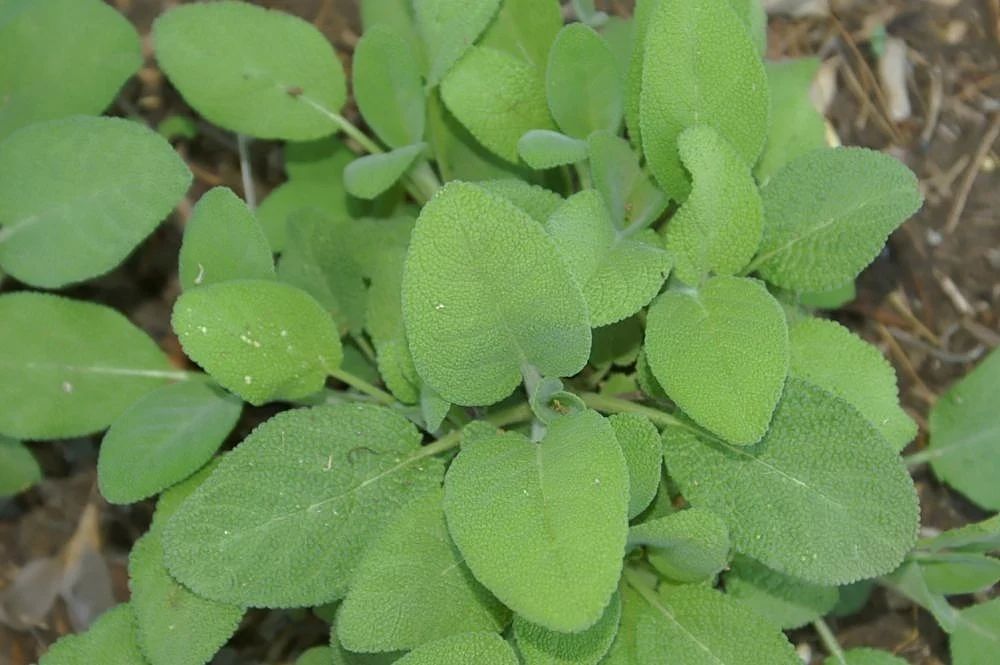
The soft leaves have a warm, aromatic scent. Culinary sage, leaf tea, and a concentrated extract are different forms, so the product description helps connect the plant you know with the purpose you have in mind.
Meet the botanical
Salvia officinalis L.
- Family
- Lamiaceae
- Parts in focus
- Leaves for culinary use and specified medicinal preparations; essential oil is distinct and highly concentrated.
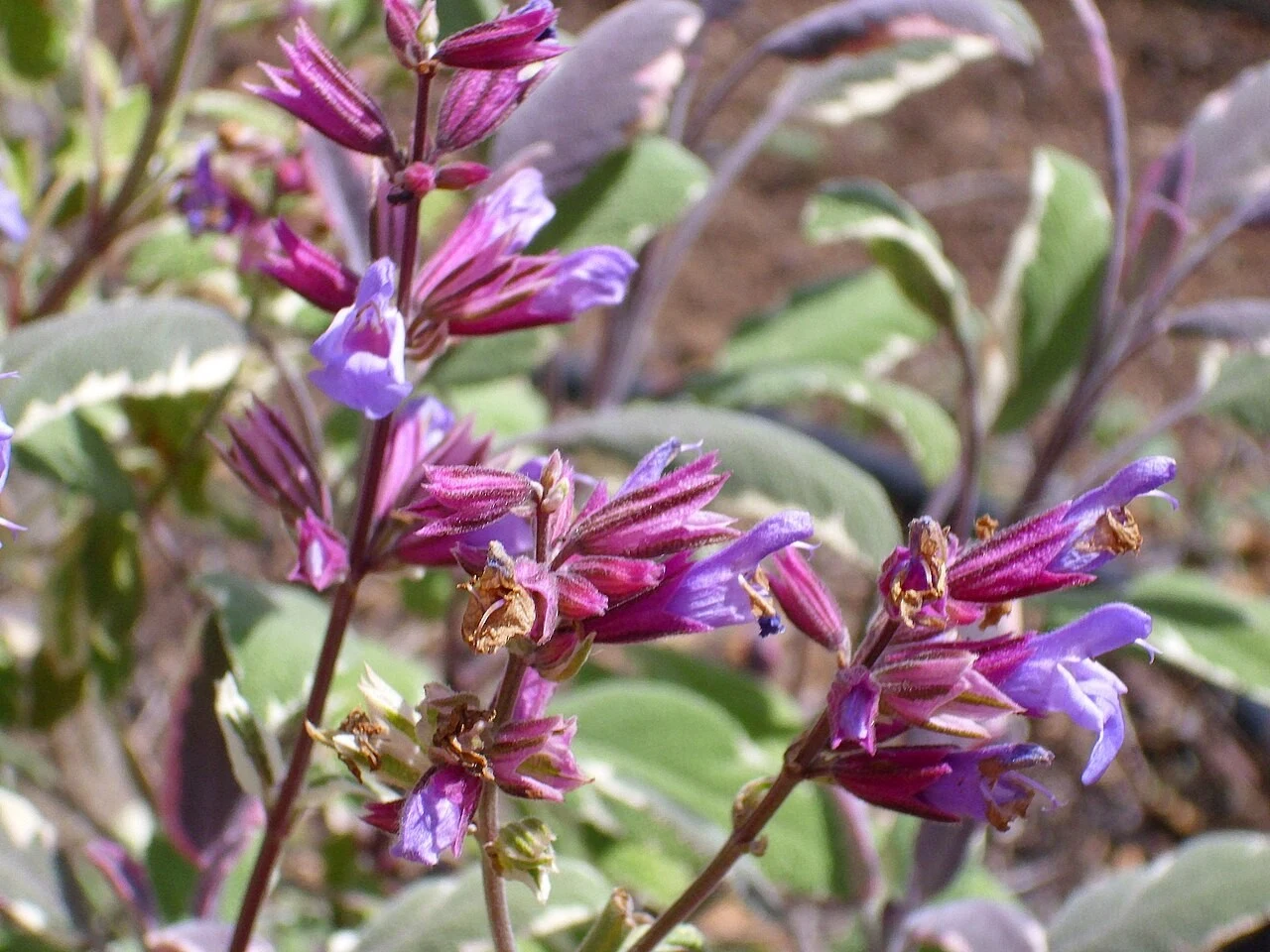
ⓘ Photograph credits
Salvia officinalis · Javier martin · Original photograph · Public domain. Resized and converted to WebP; displayed with a crop. No generative edits.
Common uses
Traditional and everyday uses, at a glance.
| Common use | Part & preparation |
|---|---|
| Kitchen flavor | Common sage leaves |
| Sweating & menopause care | Specified leaf preparations |
| Mouth & throat traditions | Prepared rinses or gargles |
A short history
European herbal practice has used common sage for digestive discomfort, sweating and mouth or throat irritation. These practical uses concern Salvia officinalis, not every plant called sage.
Energy & character
Aromatic, astringent and distinctly drying in sensory character, with a strong savory scent.
Symbolism
For reflection, a tended pot of common sage can stand for discernment and change. Its personal meaning need not borrow another species’ sacred traditions.
The research & references
What the studies tell us
One short randomized trial supports interest in a specific fresh-leaf sage extract for menopausal symptoms. Its findings do not establish long-term effects or equivalence to tea and other extracts. Traditional sweating uses and clinical extract research should remain distinct, and sage essential oil should not be swallowed.
Care with this plant.
No essential-oil ingestion; thujone and seizure risk require care; medicinal pregnancy/lactation and under-18 use not recommended by EMA; allergy and individualized medicine review.
Research relates to the species, preparation, and people studied. Findings for an ingredient do not establish the effects of the complete featured formula.
Explore the sources
About this article & supplement statements
These statements have not been evaluated by the Food and Drug Administration. These products are not intended to diagnose, treat, cure, or prevent any disease.
Medicine Wild offers botanical education from Dr. Michele Burklund’s naturopathic and functional medicine perspective. This article is for informational purposes and does not replace individual medical advice, diagnosis, or treatment. A qualified practitioner can help you choose care suited to your health history.
A little more to know
Questions about sage.
What is the botanical name of sage?
Sage is identified in this monograph as Salvia officinalis L.. Its botanical family is Lamiaceae.
Which parts of sage are used?
Leaves for culinary use and specified medicinal preparations; essential oil is distinct and highly concentrated.
What does research say about sage?
A short trial supports interest in one fresh-leaf extract for menopausal symptoms. Results do not establish generic tea efficacy, hormone balancing or long-term benefit.
What should I know before using sage?
No essential-oil ingestion; thujone and seizure risk require care; medicinal pregnancy/lactation and under-18 use not recommended by EMA; allergy and individualized medicine review.
Where can I read the research on sage?
These sources are included in the monograph’s reference list.