Schisandra is known in Chinese herbal medicine as wu wei zi, the five-flavor fruit. Its complex taste mirrors a rich traditional history around sustaining vitality and meeting daily demands. The species is Schisandra chinensis.
- Adaptogenic tradition
- Liver research & tradition
The restorative berry
Schisandra is often grouped with adaptogens, botanicals discussed in relation to the response to stress. Its traditional tonic role centers on steadiness and resilience, giving the berry a distinctive place in the apothecary.
A menopause research connection
A small human trial of one extract found improvements in menopause symptom scores, including hot flashes and sweating. That is a focused modern thread within a much broader traditional story.
From the plant to my apothecary
My selection.
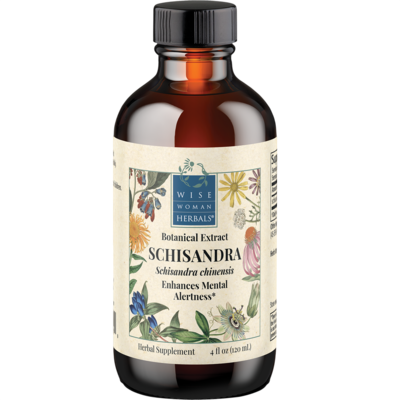
This liquid extract features Schisandra chinensis, the five-flavor berry. I chose it for its connection to the restorative Chinese herbal tradition and its distinctive place among the tonic botanicals.
I may earn income from purchases through my Fullscript shop.
Meet the botanical
Schisandra chinensis
- Family
- Schisandraceae
- Parts in focus
- Dried ripe fruit, including the seeds; other Schisandra species require separate identification.
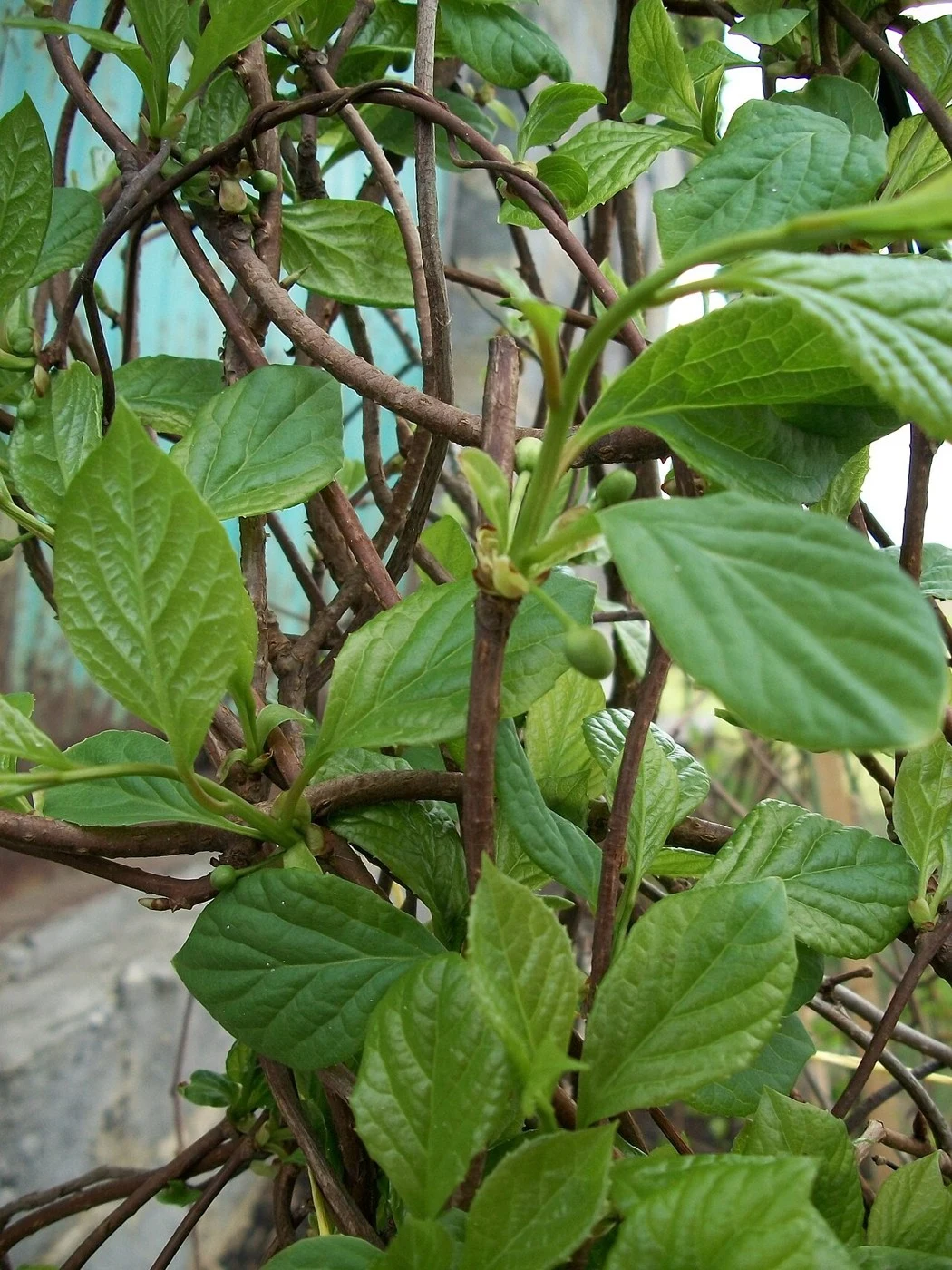
ⓘ Photograph credits
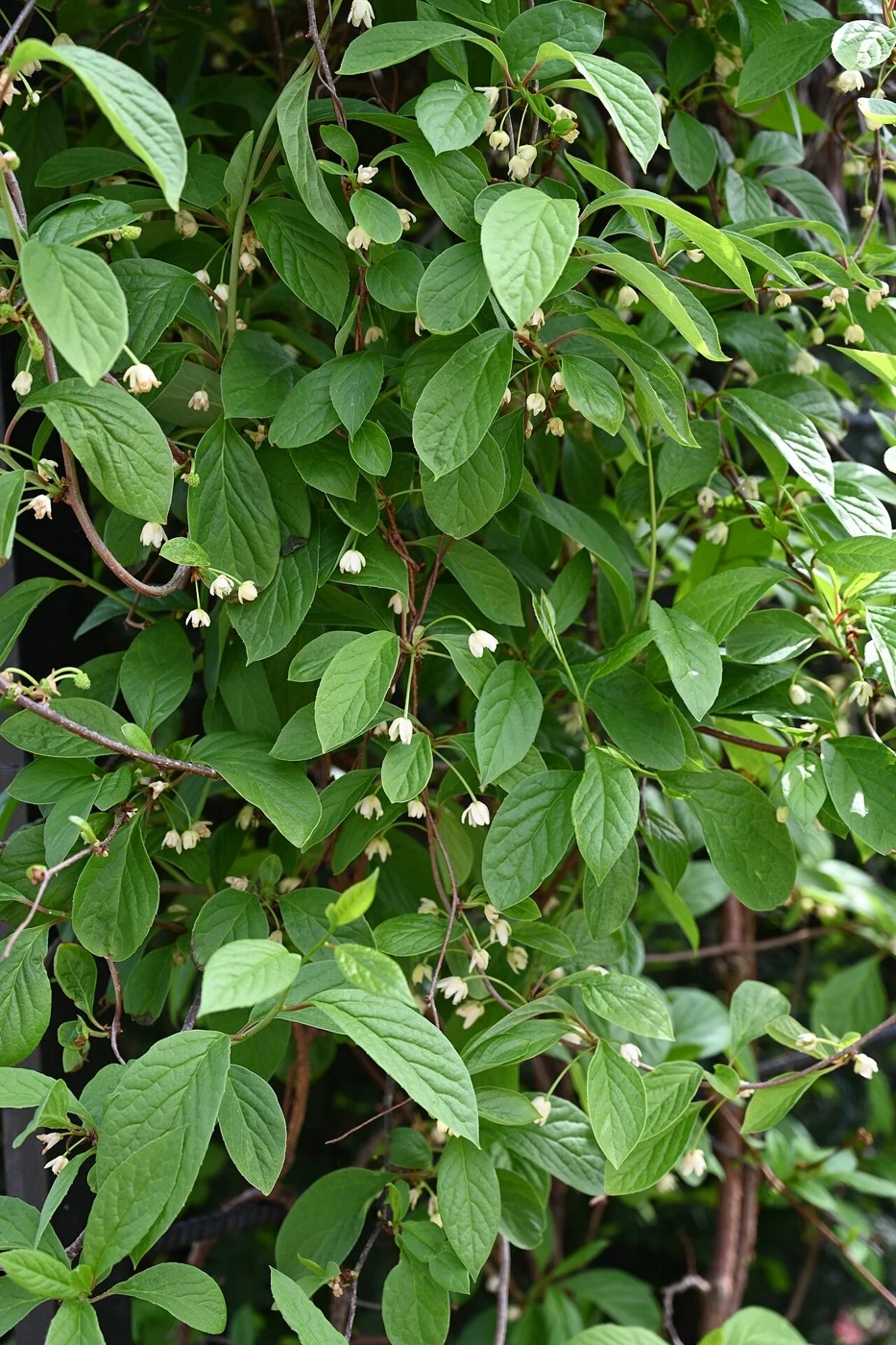
Schisandra chinensis · WildBoar · Original photograph · Public domain. Resized and converted to WebP; displayed with a crop. No generative edits.
Common uses
Traditional and everyday uses, at a glance.
| Common use | Part & preparation |
|---|---|
| Tonic & fatigue traditions | Identified berry preparations |
| Respiratory traditions | Traditional formulas using the fruit |
| Liver-related herbal care | Clinician-selected, species-specific products |
A short history
Schisandra has a conserving, astringent identity in Chinese herbal tradition, including use around fatigue, respiration and the liver.
Energy & character
Complex and astringent, associated in traditional language with gathering and retaining rather than simply stimulating.
Symbolism
For a personal reflection, the berry can suggest gathering yourself: bringing scattered attention back to what deserves it.
The research & references
What the studies tell us
The cited menopause trial had 36 completers and tested the BMO-30 extract for six weeks. It does not establish general hormone balancing or detoxification. Schisandra species and preparations differ, and clinically relevant medicine interactions warrant review before use.
Care with this plant.
Review prescription drugs, especially tacrolimus/transplant regimens; avoid self-directed medicinal use during pregnancy/breastfeeding or with liver disease; assess new palpitations and liver-warning symptoms.
Research relates to the species, preparation, and people studied. Findings for an ingredient do not establish the effects of the complete featured formula.
Explore the sources
About this article & supplement statements
These statements have not been evaluated by the Food and Drug Administration. These products are not intended to diagnose, treat, cure, or prevent any disease.
Medicine Wild offers botanical education from Dr. Michele Burklund’s naturopathic and functional medicine perspective. This article is for informational purposes and does not replace individual medical advice, diagnosis, or treatment. A qualified practitioner can help you choose care suited to your health history.
A little more to know
Questions about schisandra.
What is the botanical name of schisandra?
Schisandra is identified in this monograph as Schisandra chinensis. Its botanical family is Schisandraceae.
Which parts of schisandra are used?
Dried ripe fruit, including the seeds; other Schisandra species require separate identification.
What does research say about schisandra?
One small preparation-specific menopausal-symptom trial suggests benefit; no established generalized hormone balancing or detoxification. Related-species interaction evidence is explicitly distinguished.
What should I know before using schisandra?
Review prescription drugs, especially tacrolimus/transplant regimens; avoid self-directed medicinal use during pregnancy/breastfeeding or with liver disease; assess new palpitations and liver-warning symptoms.
Where can I read the research on schisandra?
These sources are included in the monograph’s reference list.