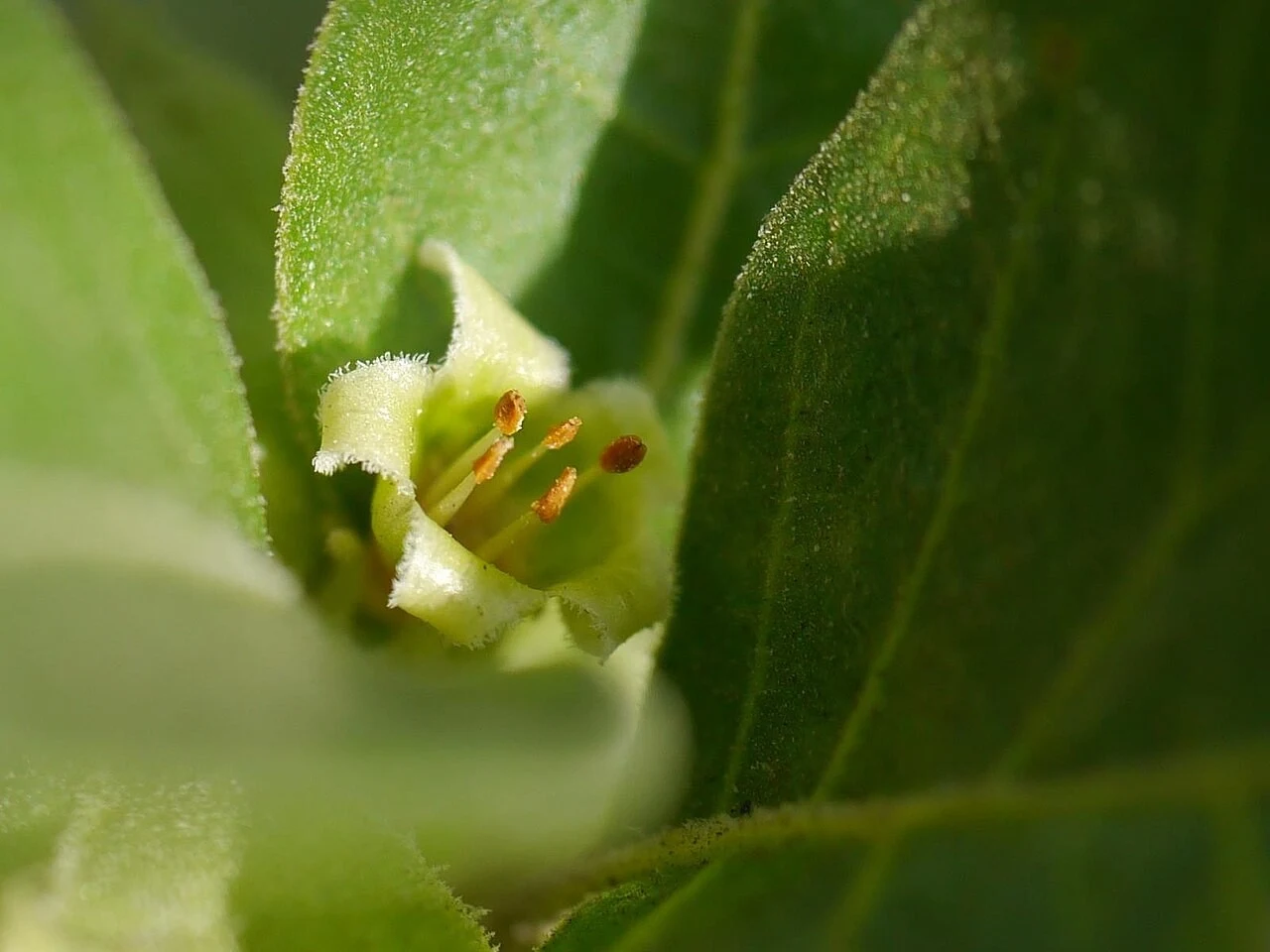
The day is finished, but your mind is still running through its list. American skullcap has a longstanding place in Western herbalism for exactly this kind of transition. Herbalists call it a nervine: a plant traditionally used to support a calmer, more settled state.
- Nervine tradition
Make room for rest
The leafy parts of Scutellaria lateriflora are the focus of its calming tradition. Small studies have explored mood and sleep, including encouraging findings for self-reported sleep quality with a specific extract. Its appeal is in helping the evening feel like an evening.
An unhurried ritual
Softer light, a warm bath, and a little distance from your phone can give this botanical tradition a natural setting. American skullcap brings a quiet, slightly bitter character to the apothecary, especially among herbs chosen for unwinding.
From the plant to my apothecary
My selection.
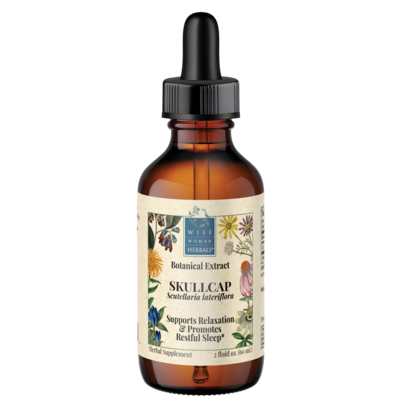
I chose this American skullcap extract for its traditional place in helping the evening feel quieter. The label identifies Scutellaria lateriflora, the leafy species behind this particular calming herbal story.
I may earn income from purchases through my Fullscript shop.
Meet the botanical
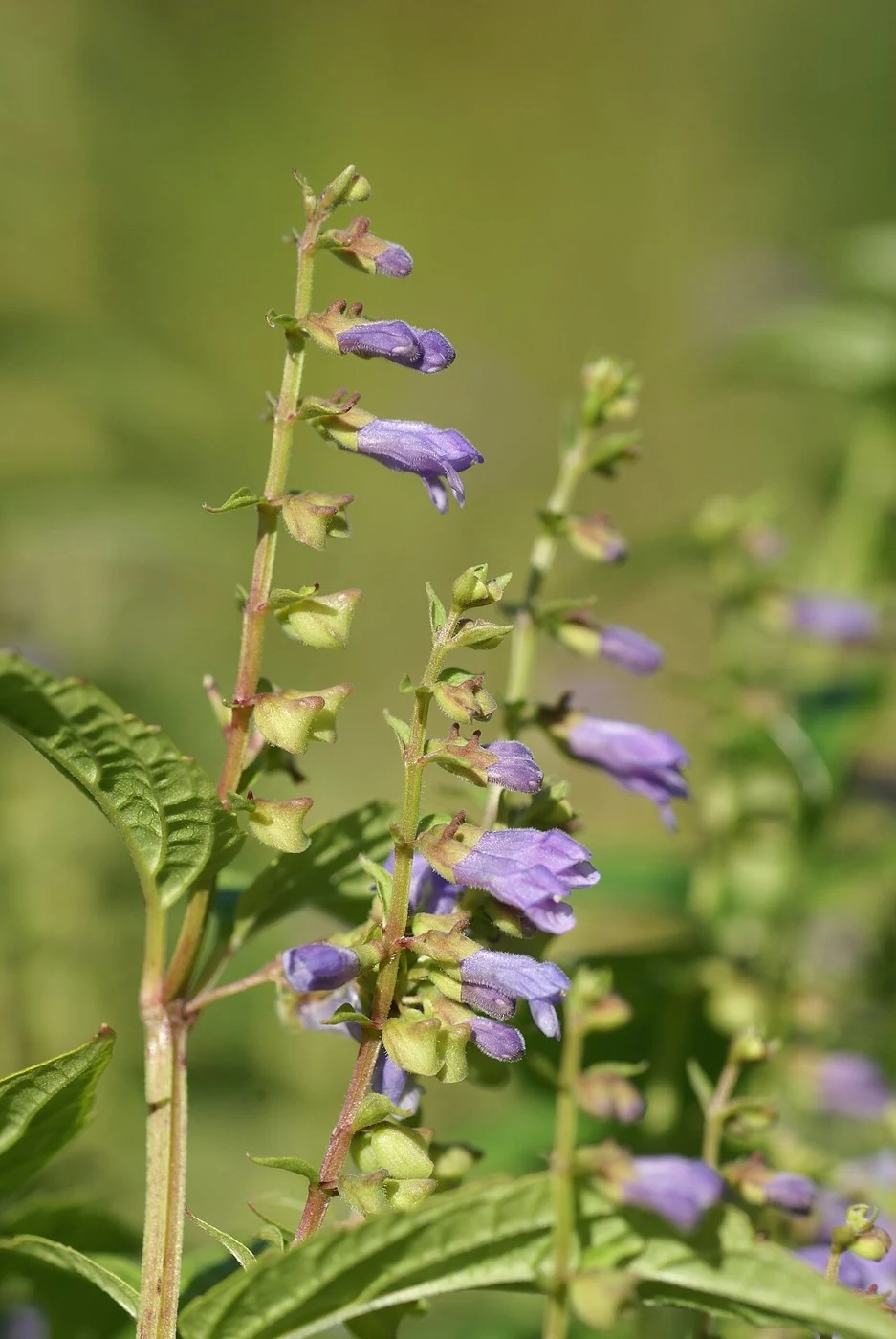
Scutellaria lateriflora L.
- Family
- Lamiaceae
- Parts in focus
- Flowering aerial parts; distinct from the root of Chinese skullcap, Scutellaria baicalensis.
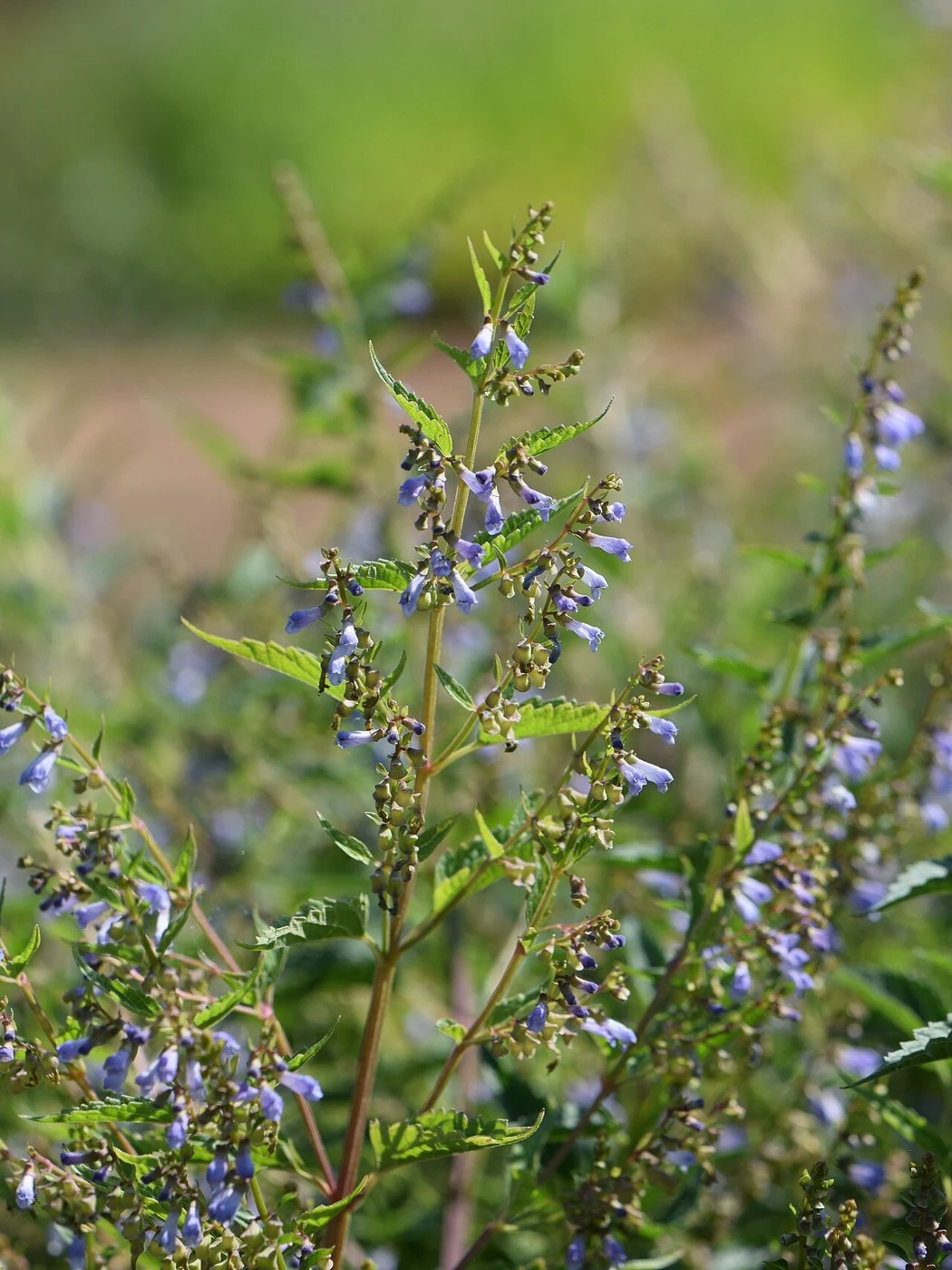
ⓘ Photograph credits
Scutellaria lateriflora · Krzysztof Ziarnek, Kenraiz · Original photograph · CC BY-SA 4.0. Resized and converted to WebP; displayed with a crop. No generative edits.
Common uses
Traditional and everyday uses, at a glance.
| Common use | Part & preparation |
|---|---|
| Nervous tension | Flowering aerial parts as an infusion or extract |
| Evening unwinding | Identified American skullcap preparations |
A short history
North American folk and Eclectic herbalists adopted American skullcap as a nervine. Its leaves and flowering stems belong to a different tradition from Chinese skullcap root.
Energy & character
Quiet and settling in the Western nervine tradition, with a slightly bitter green character.
Symbolism
For a personal ritual, skullcap can represent a gentle boundary: the moment you stop answering the day and make room for rest.
The research & references
What the studies tell us
A 2025 crossover trial reported subjective sleep improvements with a specific extract, with carryover and design limitations. A separate healthy-volunteer trial did not show a significant anxiety advantage. These findings do not establish treatment for insomnia or anxiety disorders; species identity and product quality remain important.
Care with this plant.
Review sedatives and all medications; avoid medicinal use in pregnancy/lactation without specialist advice. Choose identity-tested material. Stop for jaundice, dark urine, or persistent nausea; liver-injury reports include mixed or potentially adulterated products.
Research relates to the species, preparation, and people studied. Findings for an ingredient do not establish the effects of the complete featured formula.
Explore the sources
About this article & supplement statements
These statements have not been evaluated by the Food and Drug Administration. These products are not intended to diagnose, treat, cure, or prevent any disease.
Medicine Wild offers botanical education from Dr. Michele Burklund’s naturopathic and functional medicine perspective. This article is for informational purposes and does not replace individual medical advice, diagnosis, or treatment. A qualified practitioner can help you choose care suited to your health history.
A little more to know
Questions about american skullcap.
What is the botanical name of american skullcap?
American Skullcap is identified in this monograph as Scutellaria lateriflora L.. Its botanical family is Lamiaceae.
Which parts of american skullcap are used?
Flowering aerial parts; distinct from the root of Chinese skullcap, Scutellaria baicalensis.
What does research say about american skullcap?
The 2014 healthy-volunteer study did not demonstrate a significant anxiety advantage. A 2025 sleep trial reported subjective benefit but had carryover and other limitations. Species identity and adulteration are important safety issues.
What should I know before using american skullcap?
Review sedatives and all medications; avoid medicinal use in pregnancy/lactation without specialist advice. Choose identity-tested material. Stop for jaundice, dark urine, or persistent nausea; liver-injury reports include mixed or potentially adulterated products.
Where can I read the research on american skullcap?
These sources are included in the monograph’s reference list.