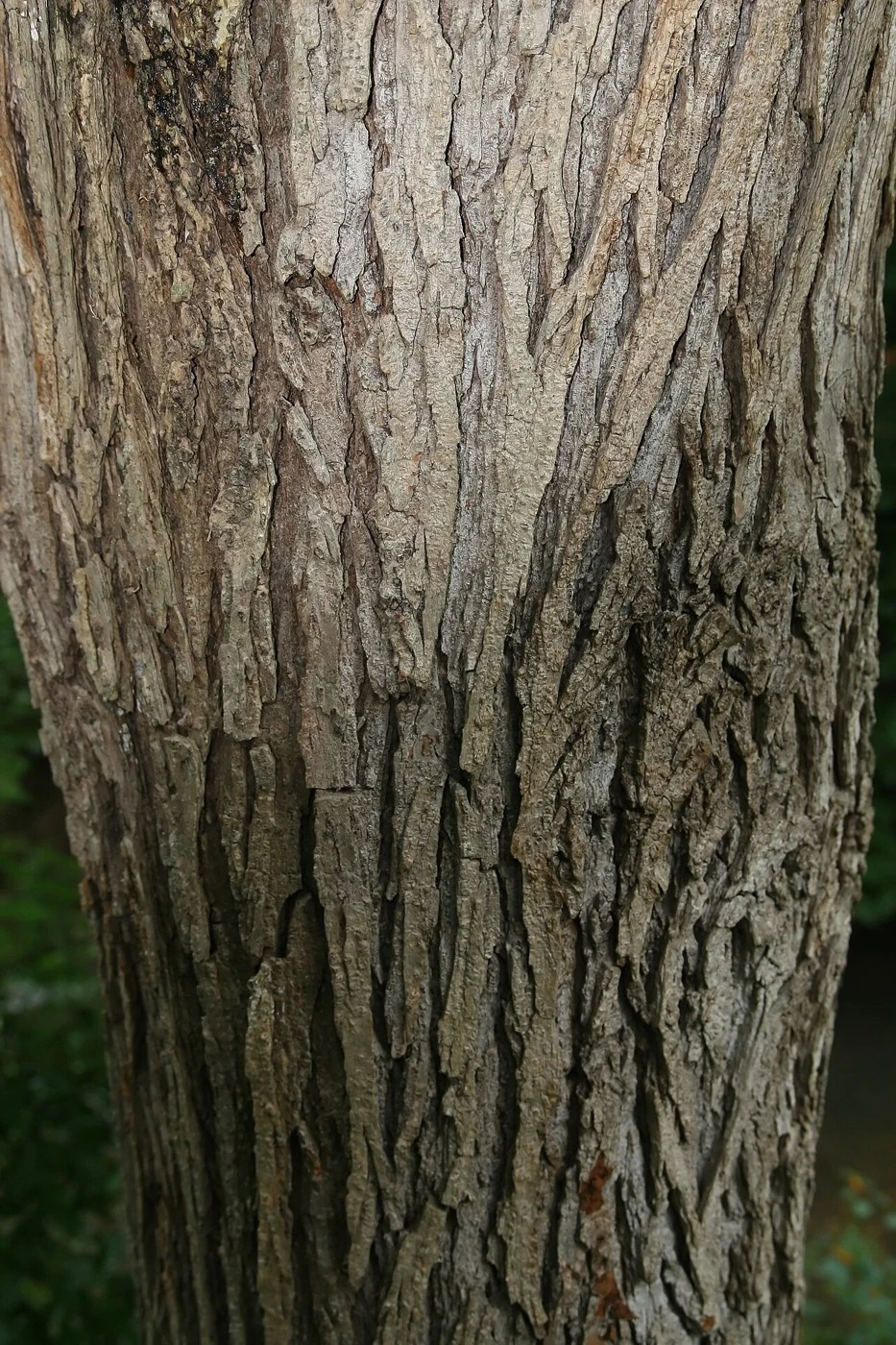
Slippery elm is a plant you can understand through texture. Its inner bark contains mucilage, compounds that become slippery and gel-like when mixed with water. Herbalists have traditionally valued that coating quality for a dry, irritated-feeling throat.
- Skin traditions
The meaning of demulcent
A demulcent is a preparation chosen for soothing contact with irritated surfaces. Slippery elm’s physical character makes the idea particularly clear, and a combination tea containing it has been studied for temporary sore-throat relief.
Choose with care for the tree
Powders, lozenges, and blends offer different preparations of the bark. Responsible sourcing matters because the material comes from a living tree. Thoughtful stewardship is a natural part of this botanical’s story.
Meet the botanical
Ulmus rubra Muhl. (syn. Ulmus fulva Michx.)
- Family
- Ulmaceae
- Parts in focus
- Inner bark, prepared as powder or in finished oral products
Common uses
Traditional and everyday uses, at a glance.
| Common use | Part & preparation |
|---|---|
| Throat comfort | Prepared inner-bark products |
| Digestive-soothing traditions | Inner-bark powder mixed into an appropriate water preparation |
| External traditions | Historically, prepared poultices |
A short history
Slippery elm’s Indigenous uses entered early European-American household medicine. Water preparations and poultices were valued for the inner bark’s soft, soothing character.
Energy & character
Earthy, mucilaginous and moistening in traditional herbal language, thickening noticeably in water.
Symbolism
For reflection, slippery elm can symbolize reciprocity: remembering the living tree and practicing restraint in what is harvested and used.
The research & references
What the studies tell us
A randomized study of a multi-herb tea found temporary relief of throat pain, but it cannot isolate slippery elm’s contribution. Clinical evidence for the herb alone is limited. Its mucilage does not establish claims of intestinal repair or treatment of digestive disease.
Care with this plant.
Limited pregnancy/lactation and interaction data; discuss oral-drug timing because of mucilage. Avoid dry-powder ingestion and use caution with swallowing problems. Responsible inner-bark sourcing matters.
Research relates to the species, preparation, and people studied. Findings for an ingredient do not establish the effects of the complete featured formula.
Explore the sources
About this article & supplement statements
These statements have not been evaluated by the Food and Drug Administration. These products are not intended to diagnose, treat, cure, or prevent any disease.
Medicine Wild offers botanical education from Dr. Michele Burklund’s naturopathic and functional medicine perspective. This article is for informational purposes and does not replace individual medical advice, diagnosis, or treatment. A qualified practitioner can help you choose care suited to your health history.
A little more to know
Questions about slippery elm.
What is the botanical name of slippery elm?
Slippery Elm is identified in this monograph as Ulmus rubra Muhl. (syn. Ulmus fulva Michx.). Its botanical family is Ulmaceae.
Which parts of slippery elm are used?
Inner bark, prepared as powder or in finished oral products
What does research say about slippery elm?
Traditional demulcent with little isolated-herb human efficacy research. Combination-tea findings and laboratory studies do not prove intestinal repair or disease treatment.
What should I know before using slippery elm?
Limited pregnancy/lactation and interaction data; discuss oral-drug timing because of mucilage. Avoid dry-powder ingestion and use caution with swallowing problems. Responsible inner-bark sourcing matters.
Where can I read the research on slippery elm?
These sources are included in the monograph’s reference list.