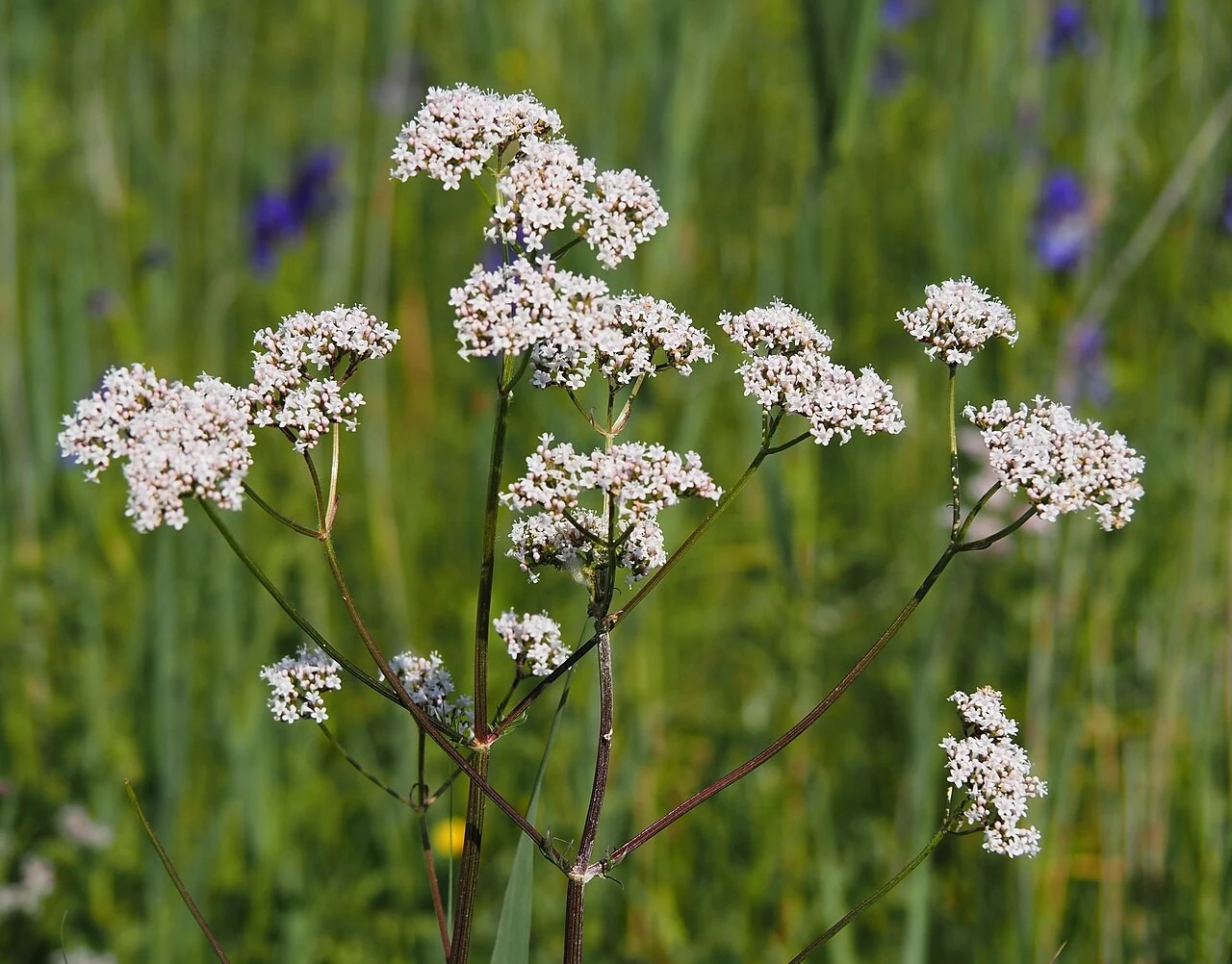
Valerian is traditionally used when moving from wakefulness into sleep feels difficult. The roots and rhizomes of Valeriana officinalis have an unmistakably earthy aroma. Some defined extracts have shown improvements in sleep measures in clinical research.
- Sleep research
- Nervine tradition
An evening focus
The root’s familiar role is rest. Studies vary, but the combination of a long sleep-related tradition and ongoing research makes valerian a useful botanical to understand when considering an evening preparation.
Make rest feel possible
A regular bedtime, a quieter room, and time to step away from the day create a welcoming setting. Tea, tincture, and standardized capsules offer different forms of the root, each with its own composition.
Meet the botanical
Valeriana officinalis L.
- Family
- Caprifoliaceae
- Parts in focus
- Roots and rhizomes; dried herb and defined extracts differ.
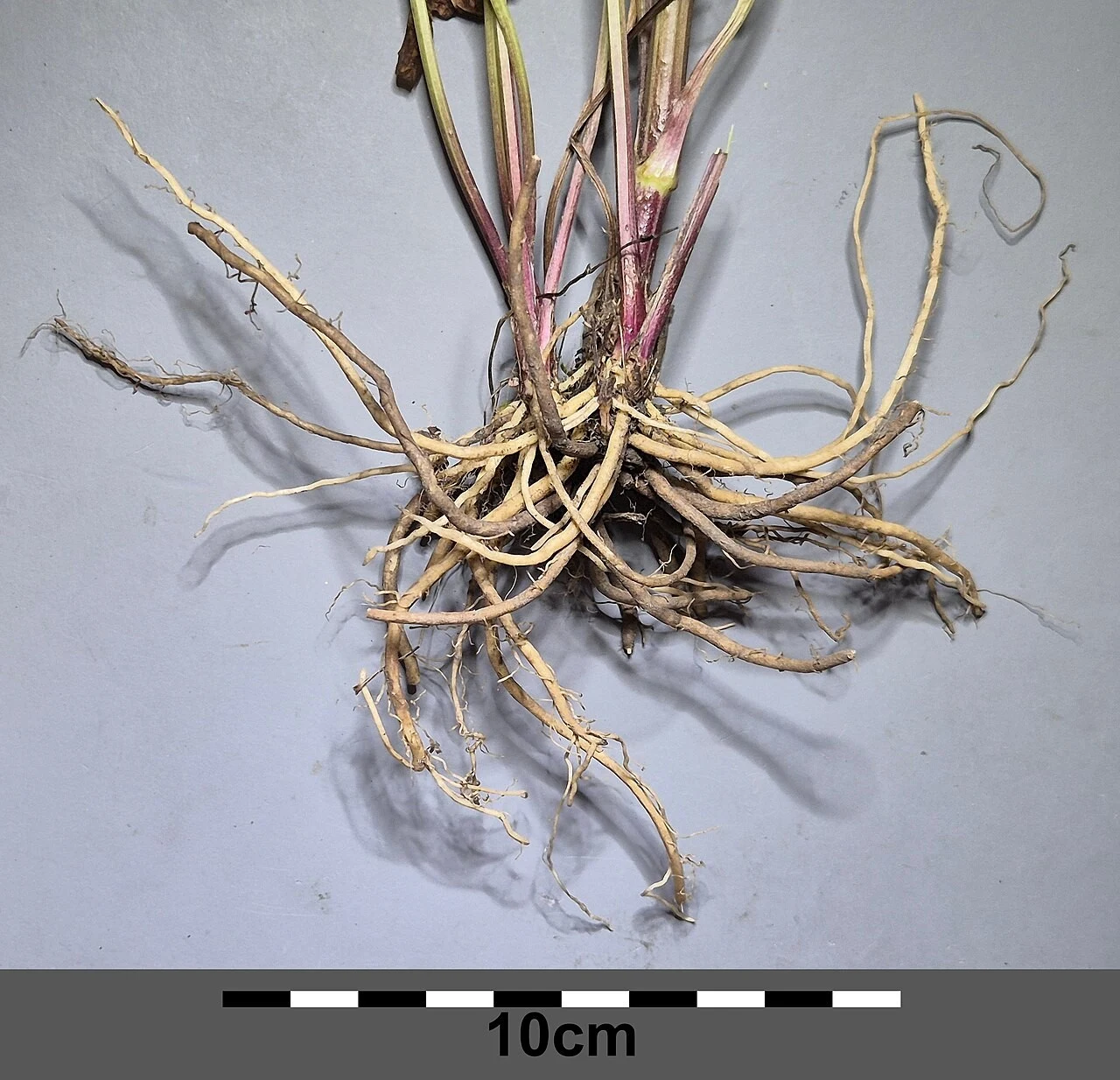
ⓘ Photograph credits
Valeriana officinalis · Stefan.lefnaer · Original photograph · CC BY-SA 4.0. Resized and converted to WebP; displayed with a crop. No generative edits.
Common uses
Traditional and everyday uses, at a glance.
| Common use | Part & preparation |
|---|---|
| Evening rest | Specified root and rhizome products |
| Mild nervous-tension traditions | Identified root preparations |
A short history
Valerian’s herbal identity is centered on its roots and rhizomes and their longstanding place in bedtime and nervous-tension preparations.
Energy & character
Earthy, pungent and inward-turning in its resting tradition, with a distinctive root aroma.
Symbolism
For reflection, valerian can represent hidden support: the steady roots beneath visible growth and the permission to turn inward.
The research & references
What the studies tell us
A randomized trial of one standardized extract reported subjective and objective sleep improvements, while the broader literature remains inconsistent. Product differences and study design affect interpretation. Sedative combinations, next-day grogginess, and long-term use require review; persistent insomnia deserves an individualized plan.
Care with this plant.
Avoid alcohol and sedatives; watch for grogginess or paradoxical agitation. Long-term and pregnancy/lactation safety are uncertain. Seek advice before abruptly stopping long-term use; rare liver injury has been reported.
Research relates to the species, preparation, and people studied. Findings for an ingredient do not establish the effects of the complete featured formula.
Explore the sources
About this article & supplement statements
These statements have not been evaluated by the Food and Drug Administration. These products are not intended to diagnose, treat, cure, or prevent any disease.
Medicine Wild offers botanical education from Dr. Michele Burklund’s naturopathic and functional medicine perspective. This article is for informational purposes and does not replace individual medical advice, diagnosis, or treatment. A qualified practitioner can help you choose care suited to your health history.
A little more to know
Questions about valerian.
What is the botanical name of valerian?
Valerian is identified in this monograph as Valeriana officinalis L.. Its botanical family is Caprifoliaceae.
Which parts of valerian are used?
Roots and rhizomes; dried herb and defined extracts differ.
What does research say about valerian?
One 80-person standardized-extract trial reported subjective and objective sleep improvements. The total clinical literature remains inconsistent, and preparations cannot be treated as equivalent.
What should I know before using valerian?
Avoid alcohol and sedatives; watch for grogginess or paradoxical agitation. Long-term and pregnancy/lactation safety are uncertain. Seek advice before abruptly stopping long-term use; rare liver injury has been reported.
Where can I read the research on valerian?
These sources are included in the monograph’s reference list.