Witch hazel has long been used in topical care for minor skin irritation. The leaves, bark, and twigs of Hamamelis virginiana provide different preparations. Tannins in some extracts help explain the plant’s astringent character.
- Skin traditions
What astringent means
In skin care, the word describes a tightening or toning sensation. Witch hazel’s traditional role is local and practical, with the preparation chosen around the area and the kind of comfort being sought.
Find a comfortable formula
A distilled toner and a leaf extract in a cream can feel very different. The base, added alcohol, and fragrance all shape the experience. Choose a texture that fits a gentle routine and leaves your skin feeling cared for.
Meet the botanical
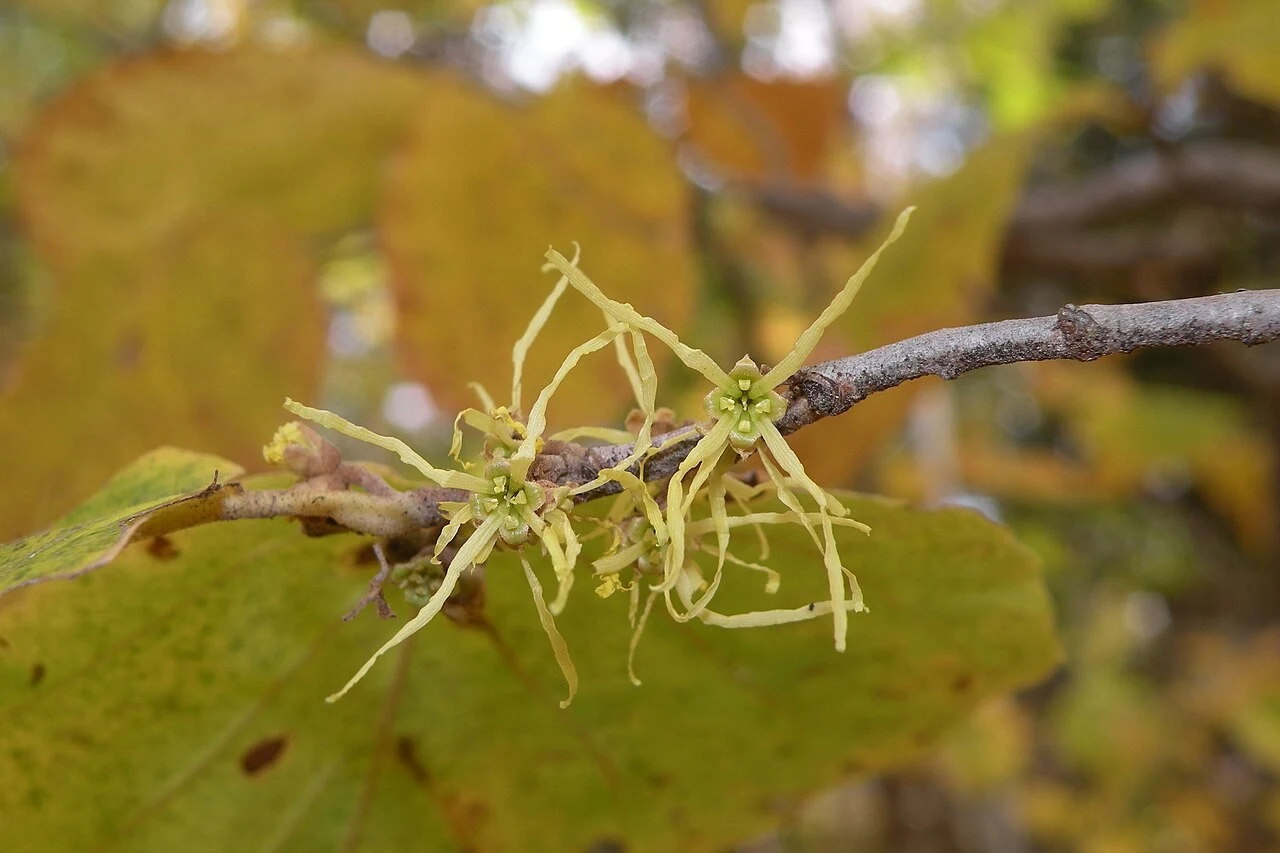
Hamamelis virginiana L.
- Family
- Hamamelidaceae
- Parts in focus
- Leaves and bark for extracts; leafy twigs, bark or leaves for distilled preparations.
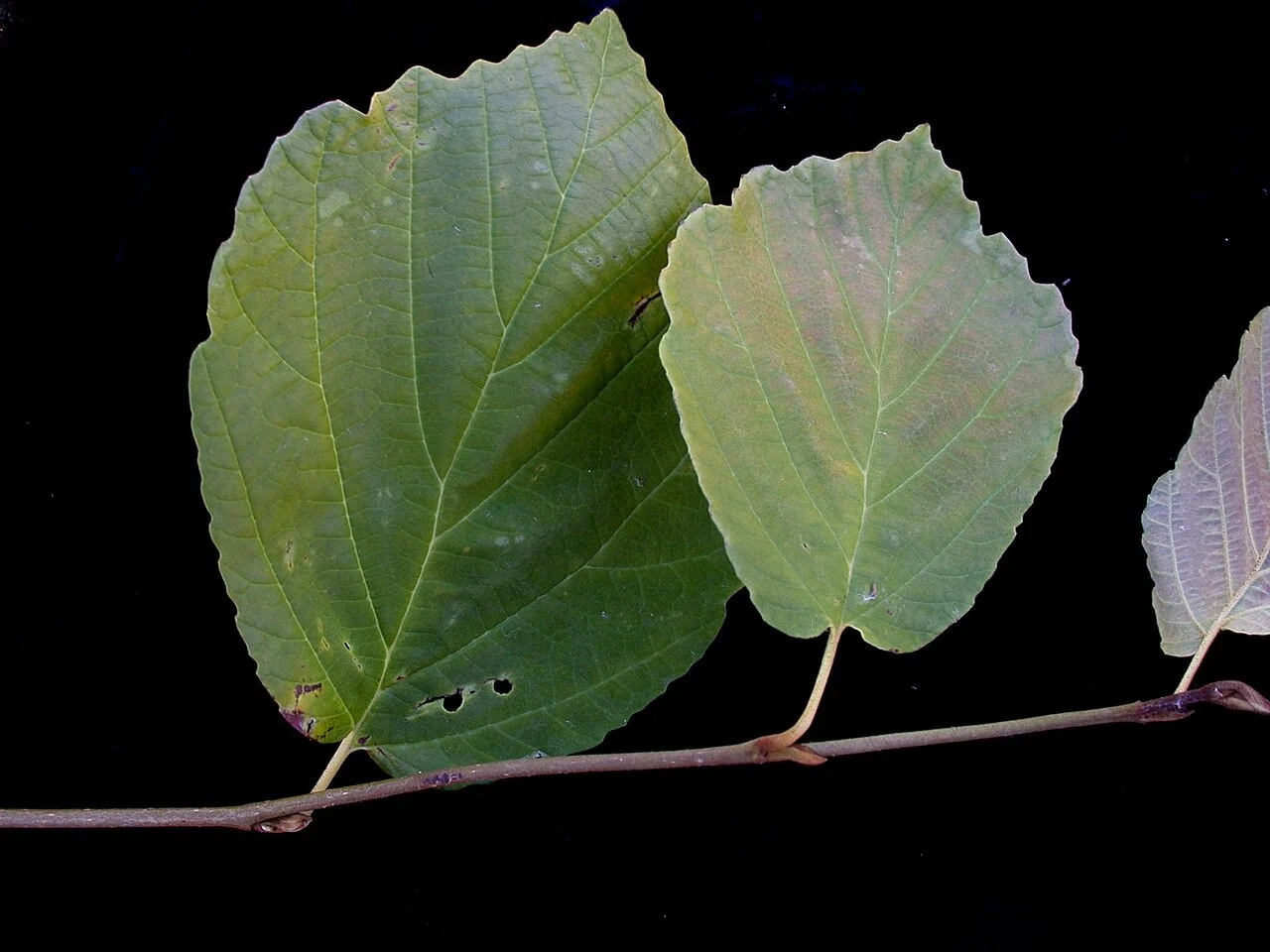
ⓘ Photograph credits
Hamamelis virginiana · Ayotte, Gilles, 1948- · Original photograph · CC BY-SA 4.0. Resized and converted to WebP; displayed with a crop. No generative edits.
Common uses
Traditional and everyday uses, at a glance.
| Common use | Part & preparation |
|---|---|
| Minor skin-discomfort traditions | Specified leaf, bark or distillate preparations |
| Astringent skin care | Well-formulated topical products |
A short history
Eastern North American witch hazel has distinct Indigenous use histories, including Oneida knowledge. Commercial distillation developed after a much longer relationship between people and the plant.
Energy & character
Astringent and drawing in sensory character, with leaf, bark and distillate contributing different preparations.
Symbolism
For reflection, witch hazel can represent attention to the overlooked: recognizing the plant, place and people behind a familiar household ingredient.
The research & references
What the studies tell us
EMA recognizes certain witch-hazel preparations through traditional use. A controlled eczema trial did not show superiority to the vehicle, so the evidence does not support an eczema cure or permanent pore reduction. Distillates and extracts differ; contact allergy and irritation remain possible.
Care with this plant.
Contact allergy and formula irritation; external site-specific use; no eye/vaginal/DIY wound or oral use; persistent bleeding or worsening skin requires assessment.
Research relates to the species, preparation, and people studied. Findings for an ingredient do not establish the effects of the complete featured formula.
Explore the sources
About this article & supplement statements
These statements have not been evaluated by the Food and Drug Administration. These products are not intended to diagnose, treat, cure, or prevent any disease.
Medicine Wild offers botanical education from Dr. Michele Burklund’s naturopathic and functional medicine perspective. This article is for informational purposes and does not replace individual medical advice, diagnosis, or treatment. A qualified practitioner can help you choose care suited to your health history.
A little more to know
Questions about witch hazel.
What is the botanical name of witch hazel?
Witch hazel is identified in this monograph as Hamamelis virginiana L.. Its botanical family is Hamamelidaceae.
Which parts of witch hazel are used?
Leaves and bark for extracts; leafy twigs, bark or leaves for distilled preparations.
What does research say about witch hazel?
Traditional topical use; extracts and distillates differ. An eczema trial did not show superiority to vehicle, so no eczema cure or pore-reduction claim.
What should I know before using witch hazel?
Contact allergy and formula irritation; external site-specific use; no eye/vaginal/DIY wound or oral use; persistent bleeding or worsening skin requires assessment.
Where can I read the research on witch hazel?
These sources are included in the monograph’s reference list.