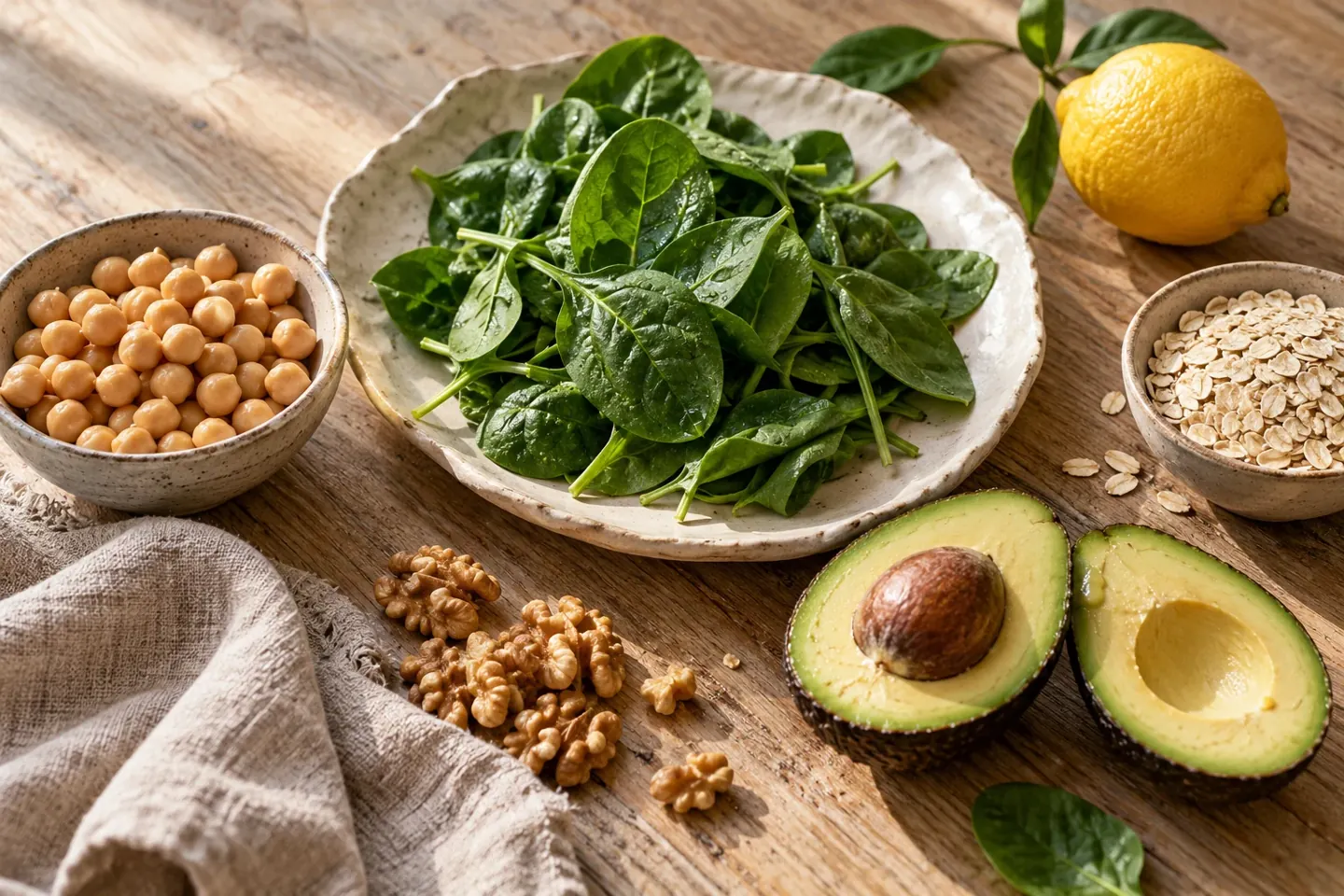
A nourishing lunch can feel reassuringly ordinary: chickpeas and potatoes, fish with greens, or a banana with a handful of nuts. Foods like these help supply vitamin B6, which the body uses in amino-acid metabolism, neurotransmitter production, and the formation of hemoglobin. Essential does not have to mean exotic.
The mood connection
B6 plays a role in brain chemistry, but a nutrient's biological job does not prove that extra amounts treat depression or anxiety. Deficiency deserves correction when present; it should not be assumed from low mood or tiredness alone.
A 2022 trial in mostly young adults found a reduction in self-reported anxiety after a month of high-dose B6. It was an interesting early result, not evidence that B6 is a reliable treatment for an anxiety disorder or depression. The dose studied was far higher than ordinary nutritional requirements, and the short trial could not establish long-term safety.
Build an everyday source
Chickpeas, fish, poultry, potatoes, and bananas can all contribute. Variety makes it easier to meet needs without focusing every meal on a single vitamin. If your eating pattern is restricted or you have a condition that affects absorption, a personalized review is more useful than choosing the strongest B-complex on the shelf.
Check every supplement label, including magnesium blends, energy products, and multivitamins. Several modest-looking products can add up. Water-soluble does not mean harmless at high doses: supplemental B6 can cause peripheral nerve damage. There is no benefit in treating an upper safety limit as a target.
A few very ordinary, very good meals
Thinking in meals makes nutrition more inviting than thinking in isolated milligrams. Try chickpeas warmed with tomatoes and olive oil, a baked potato with a generous topping, or fish served with whatever vegetables are in season. B6 is part of what these foods offer, alongside their different textures, flavors, and other nutrients.
Make the easy option visible
Keep a can of chickpeas in the cupboard, a few potatoes in a suitable cool storage spot, or bananas where you will see them. Familiar ingredients that fit your cooking style are more useful than a theoretical perfect menu. A satisfying lunch also does not have to look identical every day.
Give a mood experiment a clear question
If you are curious about the B6 research, separate the question of meeting nutritional needs from the question of treating a symptom. The first is part of everyday nourishment. The second calls for a closer look at the person, dose, duration, and outcome studied. A month-long change on an anxiety questionnaire is a starting point for research, not a prescription for taking a high-dose product indefinitely.
Bring an actual list of supplements to any review, with the amount per serving and how often you take each one. Names such as “calm,” “energy,” or “balance” can conceal overlapping ingredients. A clear inventory makes it possible to see the total picture and decide whether a product is doing anything useful for you.
When to seek more care
New tingling, burning, numbness, or balance problems while taking B6-containing supplements calls for stopping the supplement and seeking advice promptly. Mood symptoms that persist, disrupt daily life, or make you feel unsafe deserve support in their own right. A nourishing diet can be part of that care without making you responsible for solving depression through perfect nutrition.
Put it into practice
Naturopathic foundations
How can I start with food when thinking about vitamin B6?
Bring B6-containing foods such as chickpeas, potatoes, fish, or poultry into meals that fit your diet. Review the total B6 across supplements before adding more. Nourishment should support the whole day, including enough food and a regular opportunity to rest.
Functional tests to consider
Look at food intake, absorption, medications, and the reason for supplementation. A nutrient can be essential without a high-dose supplement being appropriate for everyone.
Vitamin B12, with MMA when indicated
Worth considering with a vegan diet, malabsorption risk, unexplained anemia, or persistent tingling and cognitive changes. Methylmalonic acid can help clarify a borderline B12 result; kidney function affects its interpretation.
CBC, ferritin & iron studies
A useful conversation when fatigue, heavy periods, hair shedding, or a restrictive diet raises the question of iron deficiency. Ferritin belongs alongside the blood count and the wider clinical picture; inflammation can raise it.
A mind–body practice
The first three bites
Put the screen away and place both feet on the floor. Before eating, notice the color and scent of the food. Take the first three bites slowly enough to notice their texture, then check in with hunger and comfort.
A little more clarity
How do I choose B-vitamin testing thoughtfully?
Choose it from the suspected deficiency and the symptom history. B12, folate, and related markers answer different questions. Review the total amount from all supplements, especially B6, rather than assuming a larger dose creates a larger benefit.
For education and reflection. Individual needs vary. For persistent symptoms or personal guidance, seek additional care from a qualified clinician or appropriate specialist.
References
- NIH ODS: Vitamin B6 (2023) · Nutrient evidence and safety reference
- High-dose Vitamin B6 supplementation reduces anxiety and strengthens visual surround suppression (2022) · Randomized human trial
- TGA: Peripheral neuropathy with supplementary vitamin B6 (2022) · Regulatory safety update