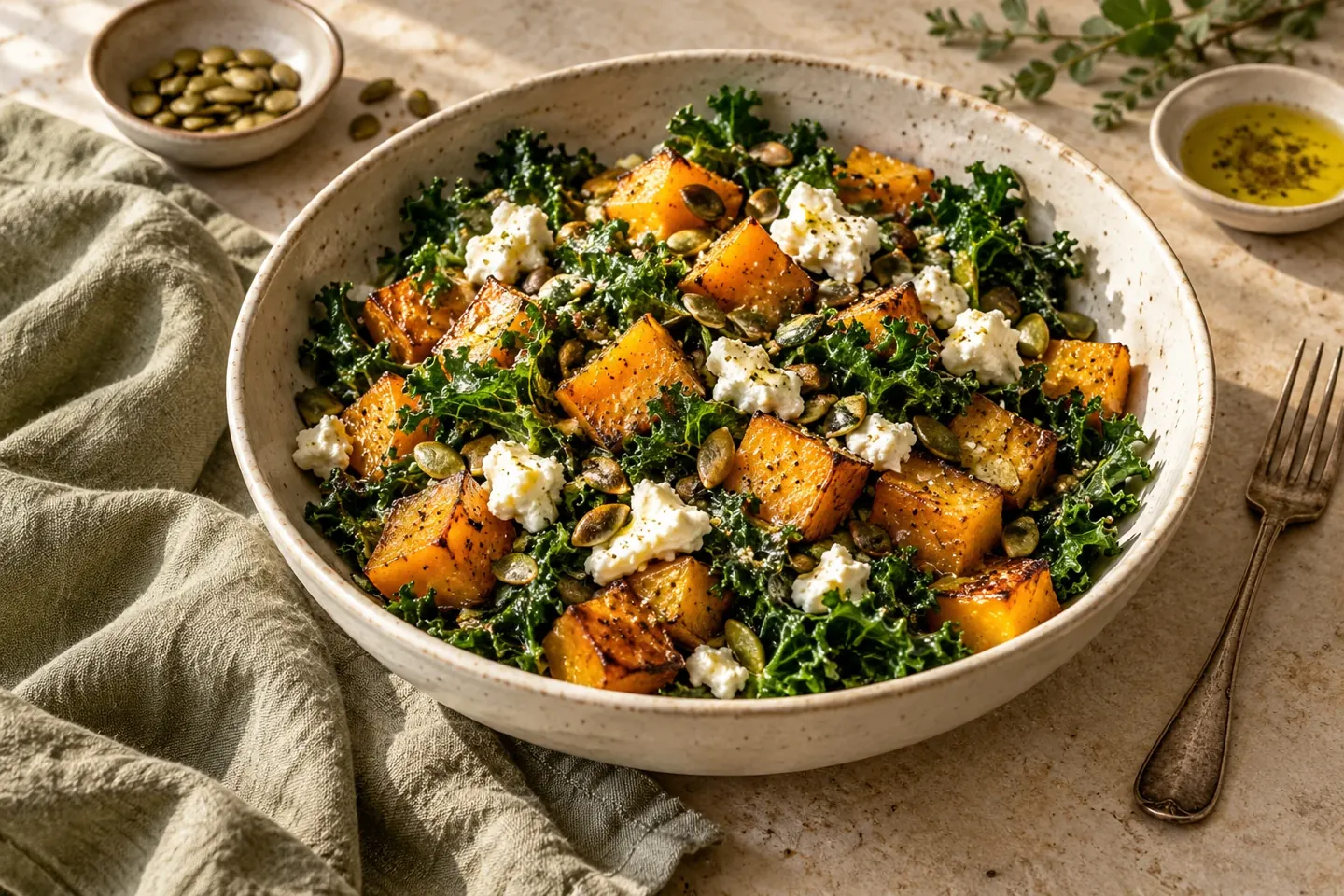
Seasonal eating begins with noticing: the first cherries at the market, a nectarine fragrant enough to interrupt a conversation, a fig that needs to be eaten today. It is a way to feel more connected to a place, without turning the calendar into another set of food rules.
A small summer collection
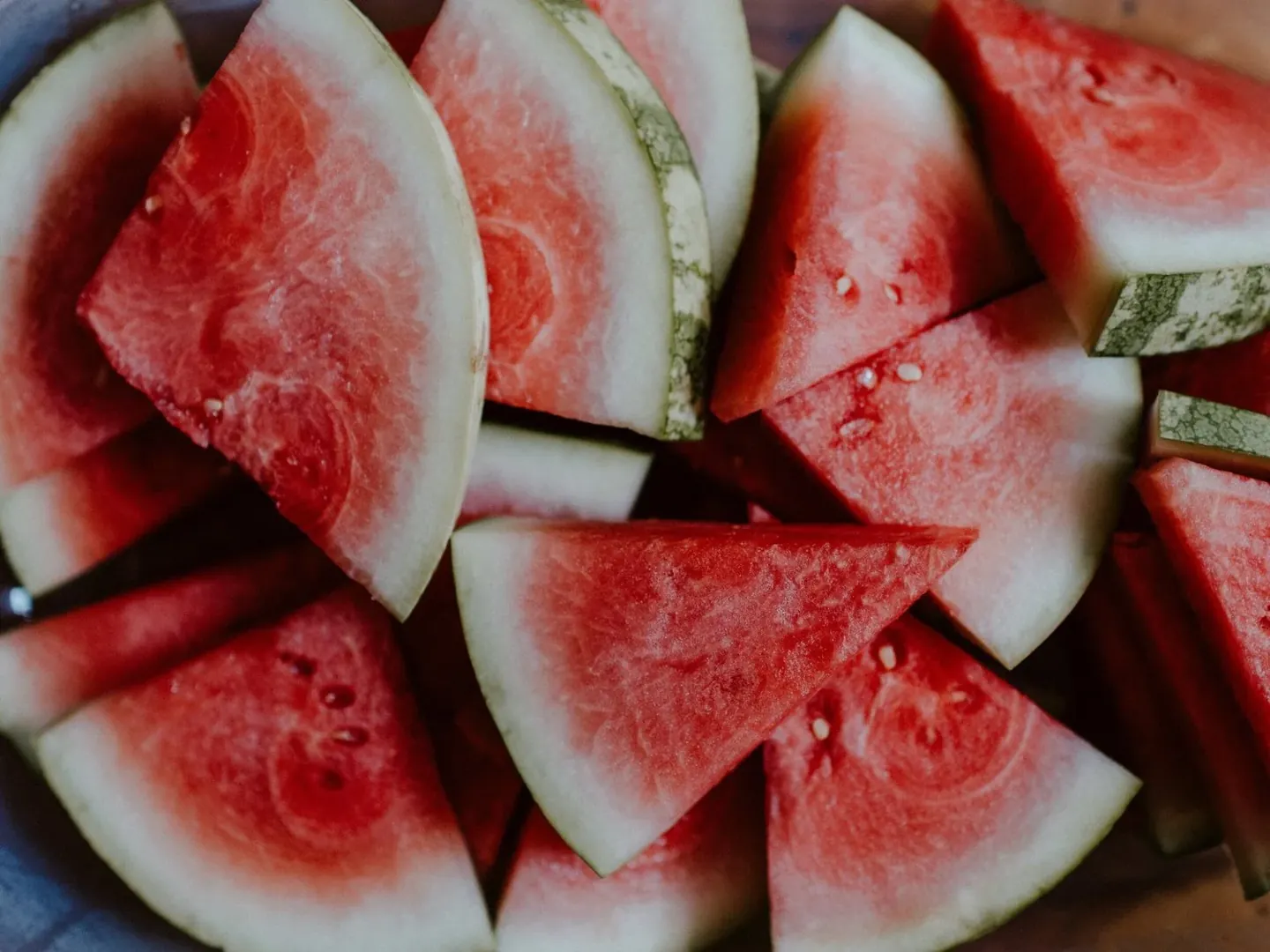
- Watermelon brings water, sweetness, and lycopene. Serve it cold with mint, or add it to a savory cucumber salad.
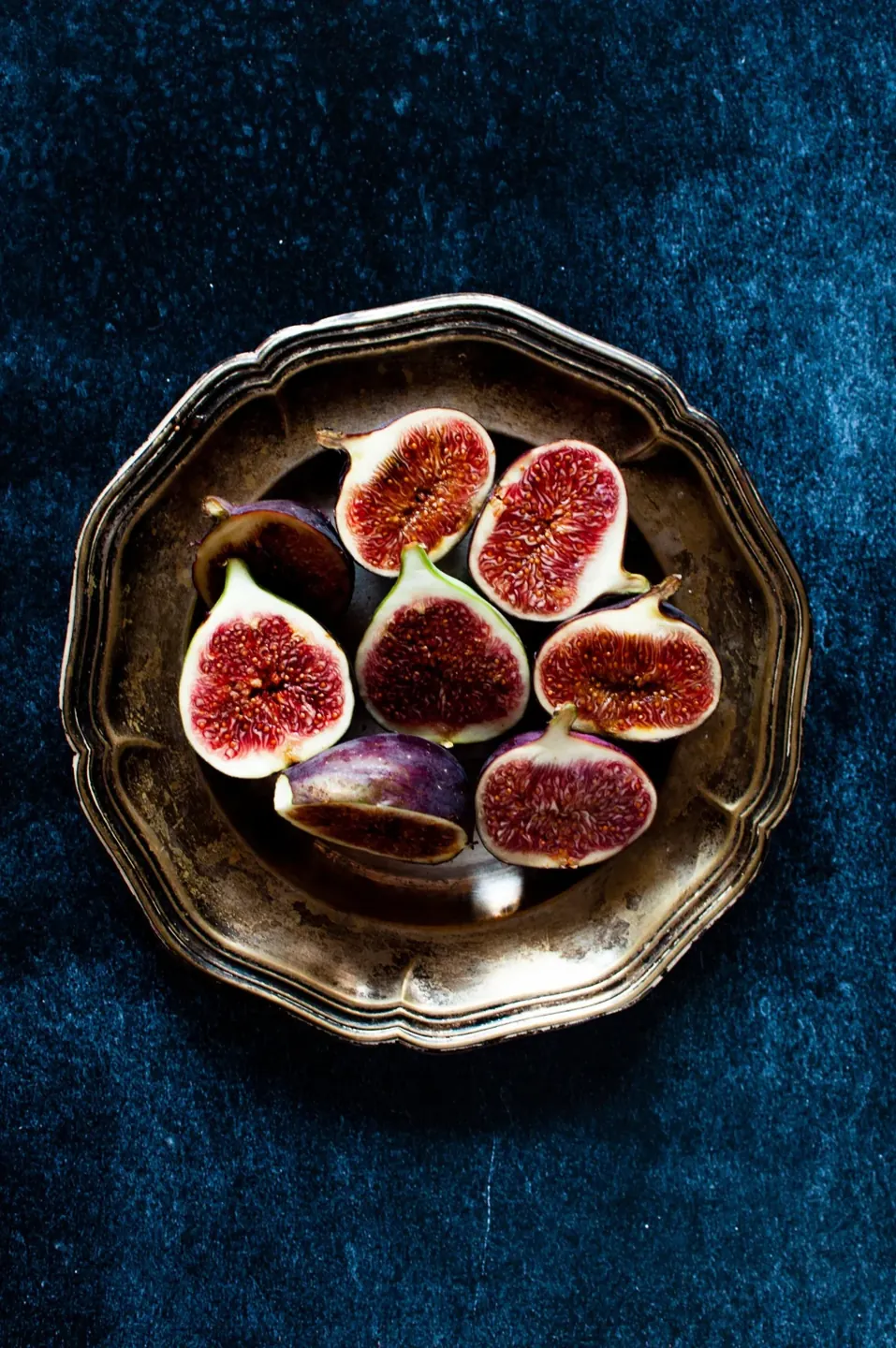
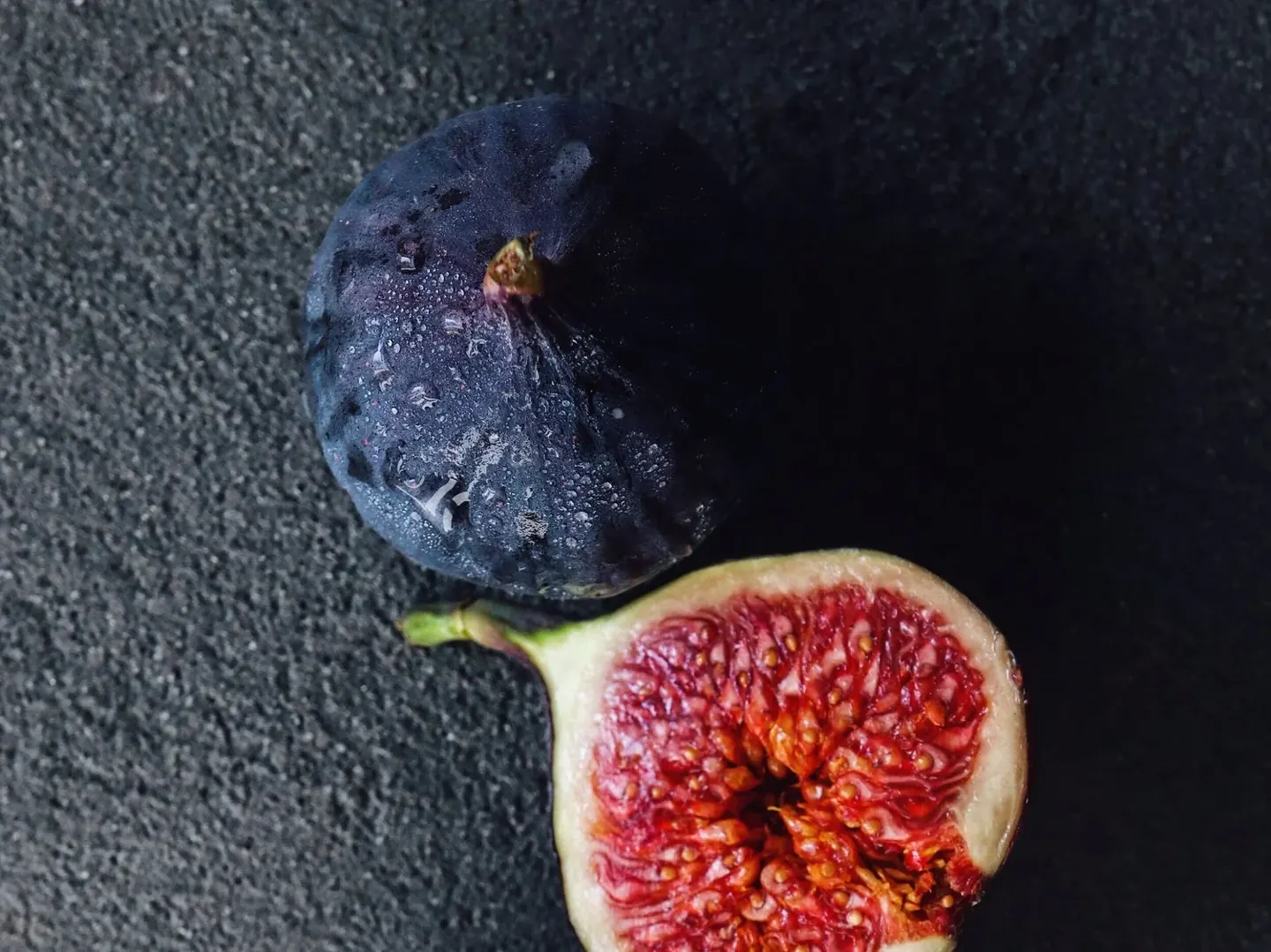
- Figs offer a tender contrast to bitter greens and toasted nuts. Fresh and dried figs behave differently in a dish; use what fits.
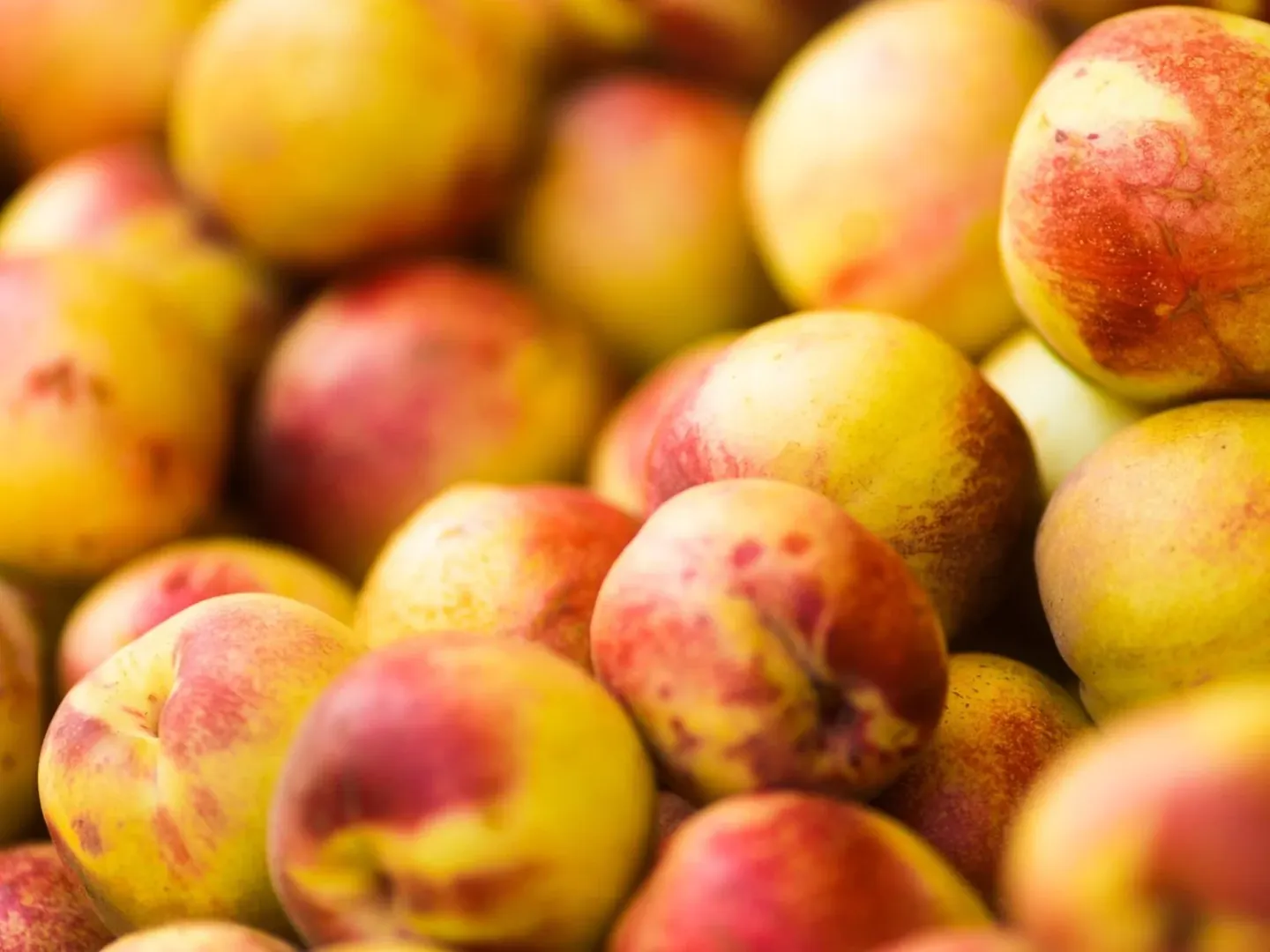
- Nectarines are wonderful sliced over yogurt or grilled briefly and served with a little vanilla.
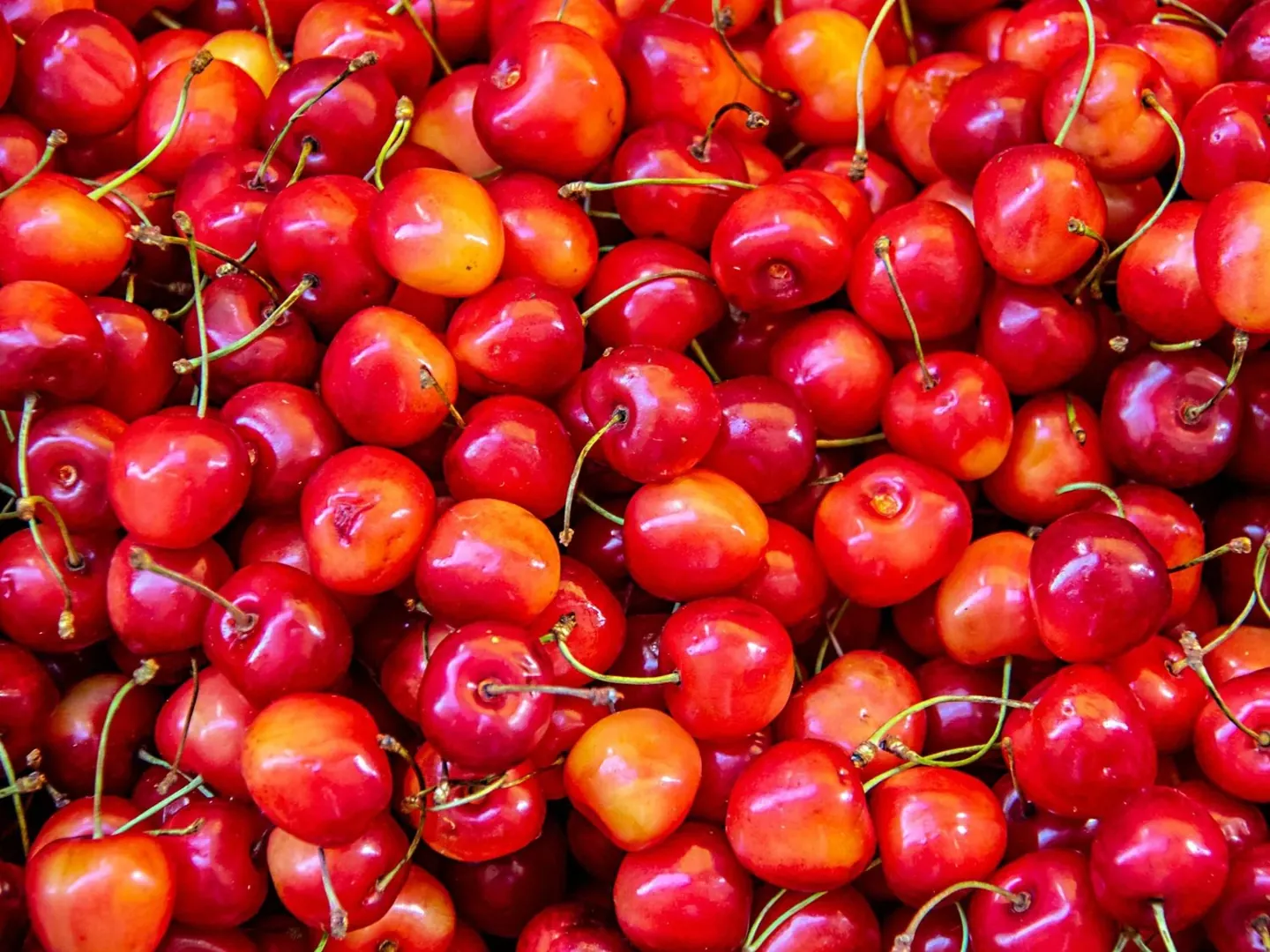
- Cherries need little more than a bowl. Pit them before adding to food, especially for young children.
These fruits contribute different nutrients and plant compounds. The fact that a fruit contains an antioxidant or a small amount of melatonin does not establish that an ordinary serving treats inflammation or insomnia.
Plan around one good find
Instead of buying a little of everything, choose one fruit at its best and decide how you will use it over the next few days. Some can be eaten as it is; some can become part of a meal. That small amount of planning helps a beautiful market purchase become food you enjoy rather than something you feel guilty about wasting.
For a shared table
Arrange watermelon in generous pieces beside cucumber and herbs. Serve figs with bread and a cheese or other accompaniment you like. Put nectarines in a bowl where people can help themselves. A plate of fruit does not need to imitate a dessert to feel like a generous finish to lunch.
For an ordinary weekday
Wash only what you are preparing and store the rest appropriately for the fruit. Keep a portion ready for breakfast or pack it alongside something that makes a snack satisfying. If fruit is ripening faster than you can eat it, use a reliable freezing or cooking method rather than leaving it to chance.
Notice the season beyond the plate, too: the angle of the evening light, the plants flowering nearby, the weather that changes what feels good to eat. Food is one way to feel connected to that rhythm, not a rule you have to follow perfectly.
Let seasonality be an invitation
Buy what tastes good, what you can afford, and what will get eaten. Frozen produce, canned fruit without unnecessary extras, and foods grown elsewhere can all be useful. A connection to nature does not require perfect local sourcing.
Try choosing one fruit to eat simply and another to add to a meal. Wash produce, refrigerate cut fruit promptly, and let the pleasure of the season lead. Variety over time matters more than assembling an ideal summer plate every day.

Put it into practice
Naturopathic foundations
How do I start eating seasonally where I live?
Choose one fruit or vegetable that looks good and build a familiar meal around it. Fresh, frozen, and stored foods can all belong. The foundation is enough varied nourishment, with the season offering inspiration rather than a rigid rule.
Functional tests to consider
Eating well begins on the plate. If you are also investigating metabolic risk, these tests can help put the longer-term pattern in context.
HbA1c & fasting glucose
These help evaluate blood-sugar patterns when metabolic risk, increased thirst, frequent urination, or other clinical clues warrant testing. A1c gives a longer view; a fasting glucose is a point-in-time measurement. Anemia and other conditions can affect A1c.
Lipid panel, with ApoB when useful
For a cardiovascular or longevity review, begin with the lipid pattern and the whole risk picture. ApoB can add information in selected situations, particularly when triglycerides or metabolic risk complicate the picture. It is not a test of whether one food is working.
A mind–body practice
Meet one living thing
Choose a plant or tree you can observe safely. Spend a few minutes with its shape, color, and movement. You do not need to touch, pick, or consume it. Let curiosity be the whole activity.
A little more clarity
Can a single food replace a whole-food eating pattern?
No single ingredient has to carry the whole meal. Look for enough food, a source of protein, varied plants, and a pattern that fits your life. Laboratory results describe specific health questions, not the virtue of an individual food.