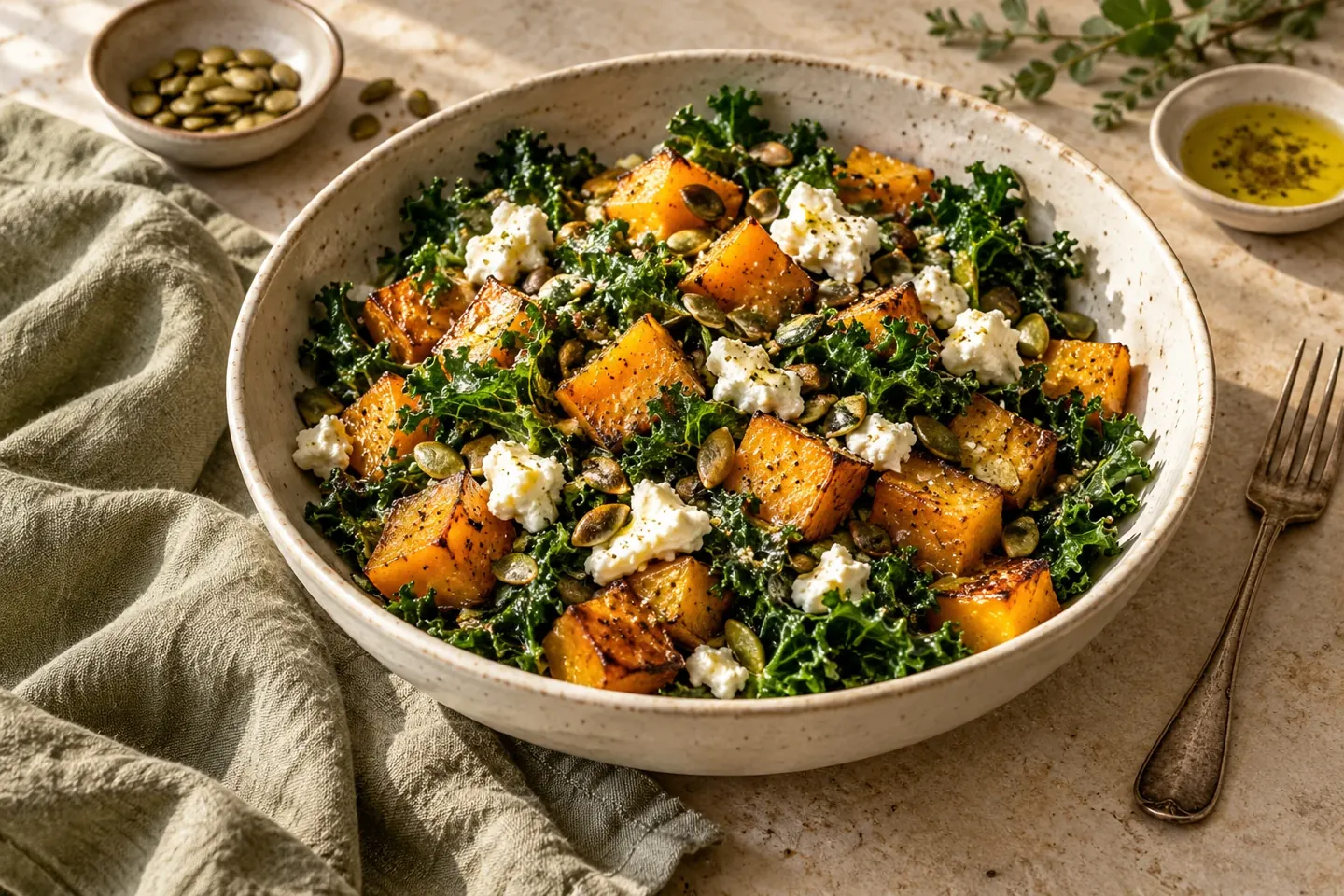
When my schedule fills up, a little preparation at the beginning of the week makes eating feel much easier. I like having vegetables, beans, and a few satisfying extras ready to combine. The aim is a lunch I can look forward to without starting from scratch at noon.
This mix is crunchy, colorful, and flexible. A jar is convenient for carrying it, but any clean, covered container works. Glass does not have a special ability to keep a salad safe or fresh.
For one generous bowl
- ½ cup cooked black beans, drained
- ½ cup cherry tomatoes, halved
- 2–3 kale leaves, stems removed and leaves chopped
- ¼ cup broccoli, finely chopped or lightly cooked and cooled
- ¼ cup chopped onion, or less to taste
- A small handful of cashews
- A sprinkle of pine nuts
- Your preferred dressing, packed separately
Wash and dry the vegetables. Combine with the beans in a container, keeping nuts and dressing separate if you prefer maximum crunch. Toss just before eating. A spoonful of cooked grain or a piece of bread can make the meal more substantial.
Prepare the parts, then assemble
Make the greens easy to eat
Remove tough kale stems and cut the leaves finely. If you prefer a softer texture, toss them with a little dressing just before packing, while keeping the other ingredients separate. Baby kale or another tender green is an easy alternative when chopping is the obstacle.
Choose the broccoli texture
Finely chopped raw broccoli adds crunch. Lightly cooked broccoli gives a softer bite; cool it promptly before packing it with the other ingredients. Use whichever version you will look forward to eating.
Keep the nuts for the finish
Cashews and pine nuts add richness, but they are flexible extras. A small container of seeds can provide a different crunch if you avoid nuts. Pack them separately if the salad will wait several hours before lunch.
Make the dressing repeatable
Whisk oil with lemon juice or vinegar and a little mustard, then season to taste. A yogurt-and-herb dressing works too if you can keep it cold. Start with less dressing than you think you need; you can add more after tossing.
For a busy week, prepare two or three components rather than several fully assembled salads. That leaves room to turn the same ingredients into a warm bowl or a different lunch when your appetite changes.
Give yourself options
Use chickpeas instead of black beans, spinach instead of kale, or seeds instead of nuts. Cooked frozen vegetables are useful when chopping is one task too many.
Refrigerate promptly, keep the salad cold in transit, and use prepared components within their safe storage window—generally three to four days for cooked leftovers. Pack only what you can keep chilled. Convenience should make the day easier, and flexibility is what keeps the habit going.
References & further reading
- FDA — Selecting and Serving Produce Safely (2024) · government food-safety guidance
- FDA — Safe Food Handling (2024) · government food-safety guidance
For education and reflection. Individual needs vary. For persistent symptoms or personal guidance, seek additional care from a qualified clinician or appropriate specialist.