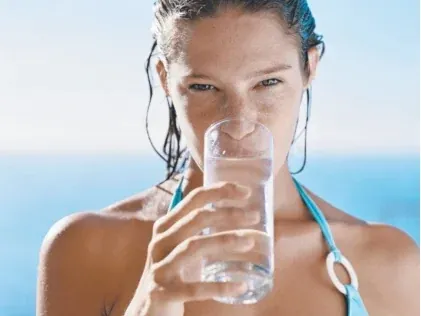
A glass beside the bed. A bottle near the desk. A carafe on the dinner table. Hydration becomes easier when the next drink is already within reach. Water helps maintain normal body temperature, circulation, and the movement of nutrients and waste; it is an everyday essential with very little need for branding.
Find your own rhythm
Fluid needs change with activity, temperature, pregnancy, illness, and the foods you eat. A fixed formula based on a fraction of body weight cannot capture all of that. Thirst and generally pale-yellow urine can offer useful everyday clues for many healthy adults, although some conditions and medicines make those signals less reliable.
Plain water is a good default, but tea, coffee, milk, and water-rich foods also contribute. You do not need to subtract every cup of tea from your total. If flavor helps, try cucumber, mint, or a little citrus. A favorite glass can be as useful as an elaborate tracking system.
Match the drink to the day
Drink regularly, and make more opportunities to drink during heat or activity. Prolonged heavy sweating may call for a plan that includes electrolytes. Vomiting or diarrhea can require an oral rehydration solution rather than plain water alone. Those are specific situations, not a reason to add electrolyte powders to every ordinary afternoon.
More is not always better. Forcing large volumes quickly can be dangerous, and people with certain heart or kidney conditions may need fluid limits. Follow an individualized plan if one has been given to you.
Build the habit around places, not a scoreboard
Think about where you spend the day and where a drink would be useful. A glass at breakfast, a bottle packed with your keys, and water on the table at dinner can remove the need to remember from scratch each time. Choose a container that is comfortable to use and easy to clean.
For the desk
Keep water visible and refill when you take a natural break. If a very large bottle feels like an assignment, use a smaller glass. There is no special advantage to a vessel that makes drinking feel like a competition.
For the kitchen
A few cucumber slices, a sprig of mint, or cold water in a favorite carafe can make an ordinary meal feel considered. Make flavored water fresh, keep it refrigerated when appropriate, and wash the container well. The appeal is the flavor and the invitation to drink, not a claim that the ingredients change water's cleansing powers.
For time away
Think ahead about access to drinking water, the weather, and how active you expect to be. A short errand and a long hot walk ask for different preparation. If your day or health requires a specific fluid plan, let that guide you rather than copying someone else's bottle markings.
A useful habit responds to the day you are having. It should make an essential easier to reach, leaving you free to notice thirst and circumstances instead of constantly checking whether you have met an arbitrary total.
Notice what needs attention
Dehydration can contribute to tiredness, headache, or difficulty concentrating, but it is not the explanation for every afternoon slump. Persistent symptoms deserve a broader look. Markedly reduced urination, ongoing dizziness, unusual drowsiness, or inability to keep fluids down warrants prompt advice; confusion or collapse requires urgent help.
The everyday version can stay uncomplicated: drink with meals, carry water when you will be away, and respond to the conditions around you. A repeatable habit is more useful than a perfect number.
Put it into practice
Naturopathic foundations
How can I remember to drink water through the day?
Place water where your day happens: near breakfast, beside the desk, and with a packed meal. Let thirst, activity, weather, and your personal health needs guide the habit. Make the setup easy rather than turning hydration into another demanding target.
Functional tests to consider
Make drinking water accessible and respond to activity, weather, and personal needs. Persistent excessive thirst, dizziness, or inability to keep fluids down calls for a clinical question beyond a hydration ritual.
Comprehensive metabolic panel
Offers information about electrolytes, glucose, kidney function, and selected liver markers. It can be useful when persistent symptoms, medication use, or a specific health history makes those questions relevant. It does not measure a total “toxin load.”
A mind–body practice
A small water ritual
Pour a glass of drinking water and notice the light moving through it. Take a comfortable sip. Let your hands relax, look away from the screen, and choose one ordinary way to care for yourself in the next hour.
A little more clarity
When is hydration a reason to discuss laboratory testing?
When symptoms or a health condition raise concern about glucose, electrolytes, or kidney function. Routine hydration does not require a panel. People with prescribed fluid limits need an individualized plan rather than a universal daily target.
For education and reflection. Individual needs vary. For persistent symptoms or personal guidance, seek additional care from a qualified clinician or appropriate specialist.
References
- NHS: Water, drinks and hydration · Public health guidance
- NHS: Dehydration · Public health safety guidance