A good cup of tea is partly an ingredient and partly a little attention. Water temperature, the amount of leaf, and steeping time can turn the same tea from delicate to brisk. Begin with the package’s directions, then adjust to your taste.
Know your leaves
Black, green, white, and oolong teas come from Camellia sinensis. Their differences reflect the leaves chosen and how they are processed. Herbal infusions such as chamomile and peppermint come from other plants. They deserve their own category.
Start gently, then taste
- For green or delicate white tea, try water that has cooled below boiling and a shorter initial steep.
- For black tea, near-boiling water and a few minutes often give a fuller cup.
- Oolong varies widely; use the producer’s advice and consider a second infusion if the tea suits it.
- For herbal blends, follow the specific product’s instructions. Different plants need different handling.
There is no universally healthiest temperature or antioxidant-winning color of tea. Brewing for pleasure is more useful than chasing the strongest possible extract.
Build your own tasting notes
Use the same cup or pot for a few brews so you are changing only one thing at a time. Start with the maker’s amount of leaf and steeping advice, then note whether you want the next cup lighter, fuller, sweeter-tasting, or less astringent. A kitchen timer is useful because it lets you taste a deliberate brew rather than whatever happened while you answered a message.
If the cup is too strong
Try a shorter steep first. On another day, use a little less leaf or slightly cooler water where appropriate for the tea. These adjustments change the experience in different ways. Diluting a finished cup is also perfectly reasonable; there is no need to discard it because the first attempt was enthusiastic.
If the flavor feels thin
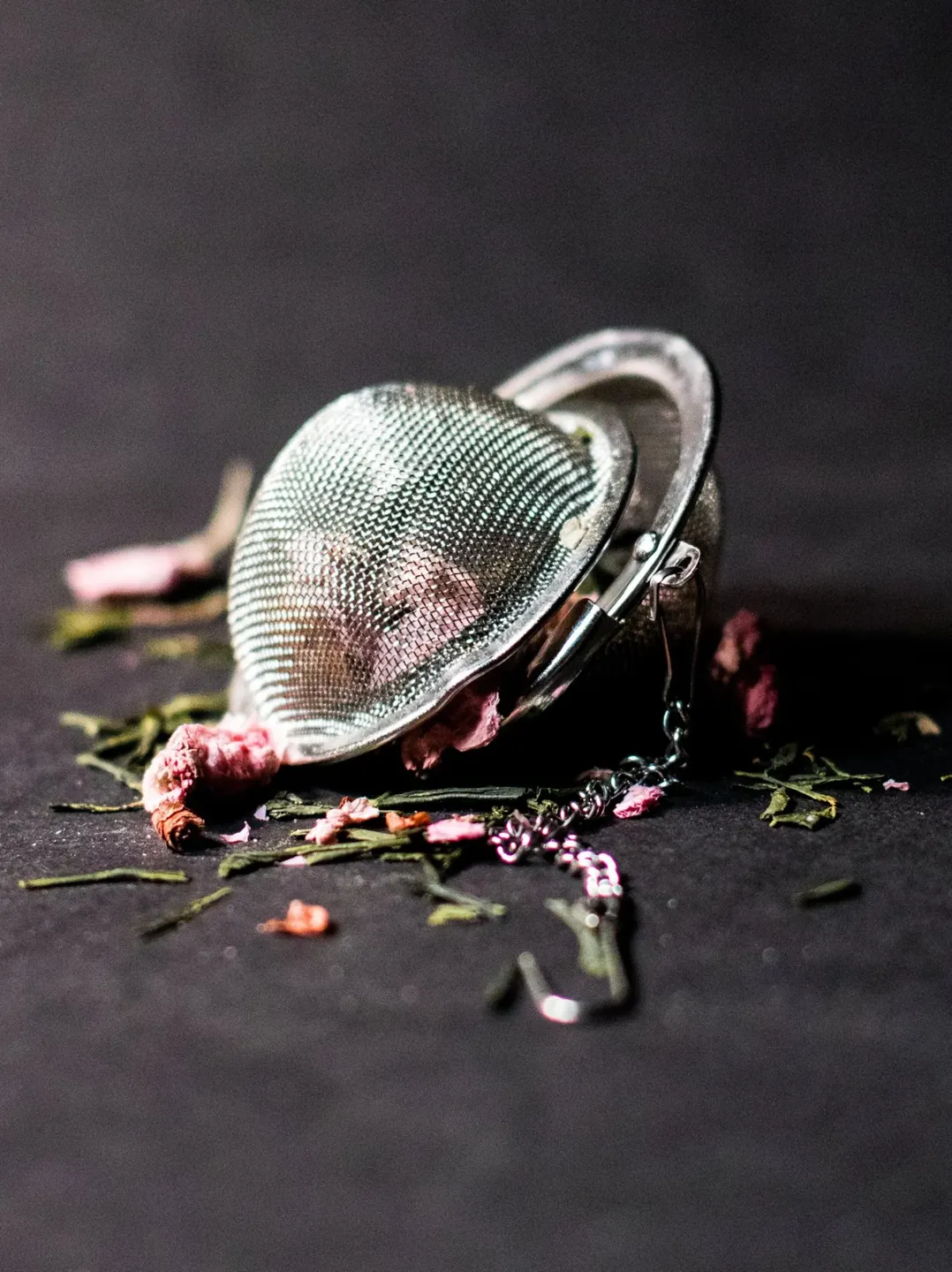
Check the amount of leaf and whether it had room to open. A tightly packed infuser can make brewing uneven. Consider a little more leaf before leaving the same small amount in the water indefinitely. Keep notes only if you enjoy them—a few words on the package may be enough.
Store tea somewhere dry and away from strong kitchen aromas. Take a moment to smell the leaf before brewing and again after it meets the water. That is part of the pleasure, whether the cup is a delicate white tea, a brisk black tea, or an herbal infusion chosen simply because it tastes good.
Keep caffeine in the picture
Tea contains caffeine, including white and green tea. L-theanine does not cancel its effects, and a sensitive person can still feel jittery or sleep poorly. Use your own response to choose the timing and amount. Green tea extract capsules are a different product from a brewed drink and have their own safety concerns.
References & further reading
- Green Tea: Usefulness and Safety — NCCIH · government evidence and safety summary
For education and reflection. Individual needs vary. For persistent symptoms or personal guidance, seek additional care from a qualified clinician or appropriate specialist.