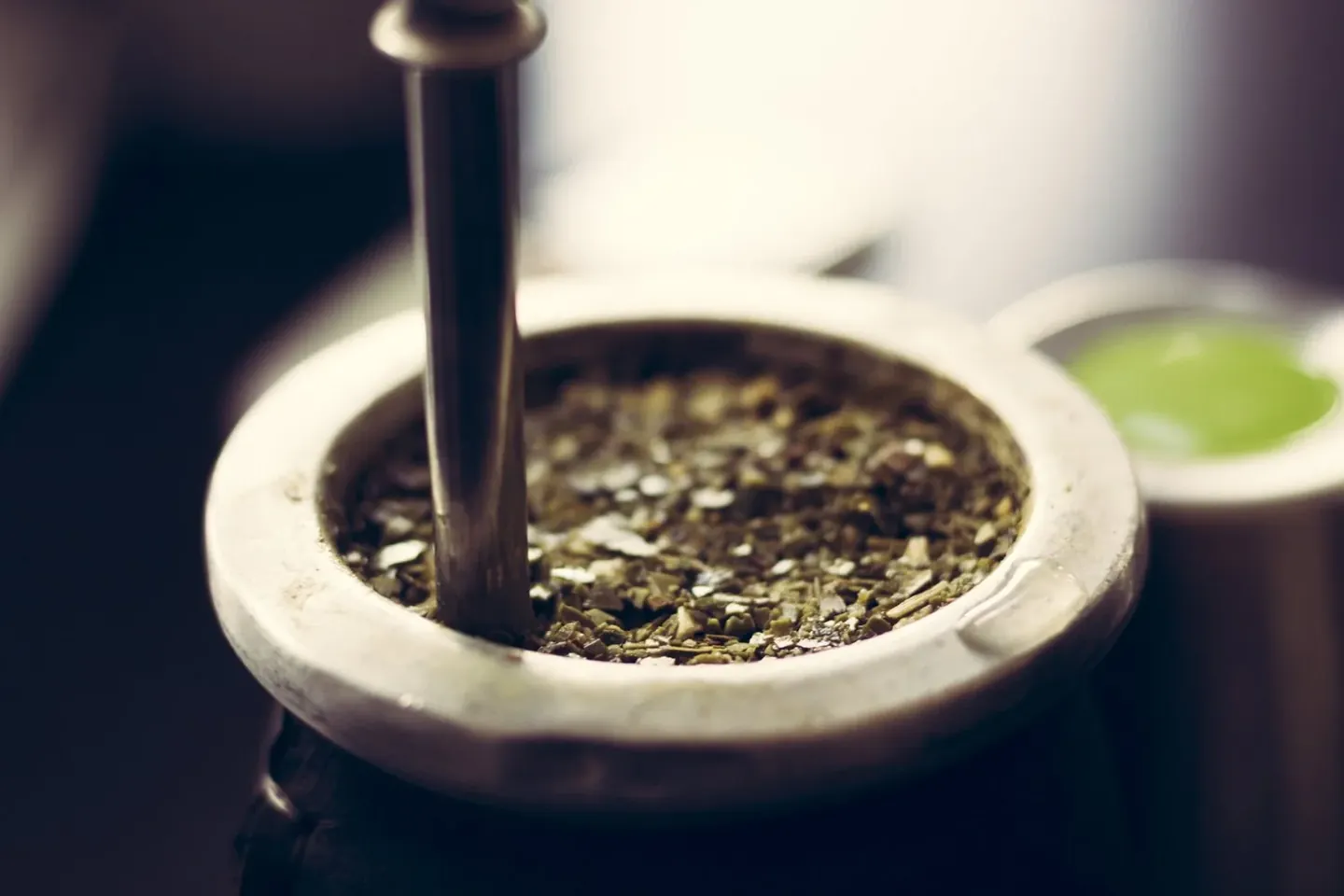
The kettle boils, the room gets quieter, and the day begins to loosen its grip. That sequence is part of an evening tea’s appeal. A warm drink can be a cue to put work away, whether or not its herbs have a measurable effect on sleep.
A simpler cup
A traditional-style blend might combine lemon balm and chamomile with the stronger notes of California poppy and passionflower. For a casual evening ritual, simplify: choose a clearly labeled chamomile or lemon-balm tea from a reputable supplier and follow its preparation directions. Covering the cup while it steeps helps retain aroma. Longer steeping changes flavor and strength; it does not create a predictable therapeutic dose.
Chamomile has a long history of use, but evidence is insufficient to promise that it treats insomnia. Small studies of passionflower suggest possible sleep or anxiety benefits, with limited information about long-term use. A multi-herb blend is harder to evaluate because its ingredients, amounts, and combined effects may differ from the products studied.
When a tea is more than a drink
Passionflower and California poppy may be sedating. Avoid casually combining sleep herbs with alcohol, sedatives, or other products that make you drowsy. Do not drive if affected. Passionflower should be avoided during pregnancy; pregnancy and breastfeeding safety for many other medicinal blends is also uncertain.
Chamomile can cause allergic reactions, particularly in people sensitive to related plants such as ragweed. It may also interact with medicines, including warfarin. If you take regular medication, a pharmacist or qualified herbal practitioner can check the exact ingredients.
Make the blend readable
Look for the common and botanical names on the label, along with the plant part and preparation instructions. Chamomile flowers, lemon-balm leaf, and a concentrated liquid extract are not the same sort of ingredient, even when the packaging uses similar language. A measured tea bag can be convenient; loose-leaf tea gives you more control over the taste. Neither format automatically indicates a stronger benefit.
Choose the cup for the evening
If you like a floral flavor, start with chamomile. If a lemony, green note is more appealing, choose lemon balm. Make a single-herb cup a few times before trying a complicated blend. That allows you to learn the flavor and notice how it fits your routine without changing several things at once.
Use a cup or pot large enough to let the leaves move, and strain loose material before drinking. Let the water cool to a comfortable drinking temperature. Adding a little honey for taste is a culinary choice; the drink does not need to become sweeter to become more restorative.
Give the ritual a beginning and an end
While the tea steeps, put tomorrow’s first task on paper or lay out something you will need in the morning. Then choose a quiet activity that does not ask much of you. The cup can become a familiar transition: the useful work is done for now. If you prefer an ordinary warm drink without herbs, the same sequence still works beautifully.
Make room for sleep
Pair the cup with a lower-lit room, a familiar bedtime routine, and a little space between your last email and your pillow. If sleep difficulties are frequent, last for weeks, or leave you unsafe behind the wheel, seek a fuller assessment. Snoring with gasping or pauses in breathing also deserves attention. An evening ritual can support rest without carrying the whole responsibility for it.
References & further reading
- Chamomile: Usefulness and Safety — NCCIH · government evidence and safety summary
- Passionflower: Usefulness and Safety — NCCIH · government evidence and safety summary
For education and reflection. Individual needs vary. For persistent symptoms or personal guidance, seek additional care from a qualified clinician or appropriate specialist.