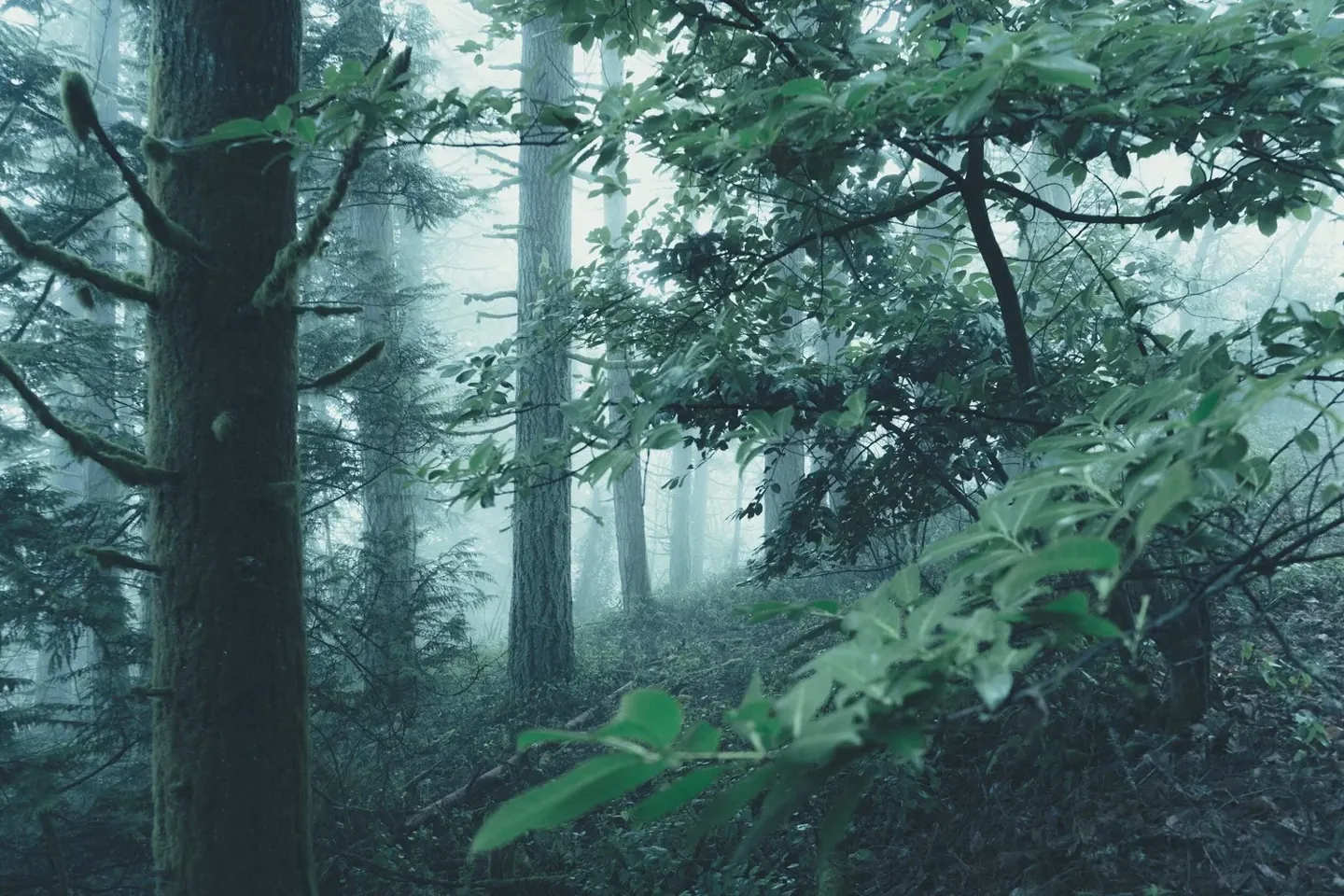
A forest walk becomes richer when you begin to recognize what is growing beside the path. Nettles, salmonberries, lichens, and shelf fungi each tell you something about the place. You can learn a great deal without putting anything in a basket.
Begin with recognition
Take a local field course, learn with an experienced guide, and use reliable regional references. A short description, phone app, or photograph is not enough to establish that a plant or mushroom is safe to eat. Confirm permission and local collection rules before harvesting, and leave plenty for the habitat and other visitors.
Five familiar forest encounters
Stinging nettle is a traditional food plant. Correctly identified young leaves can be prepared by knowledgeable cooks; wear gloves when handling fresh plants and use a reliable preparation method. A casual brush against the plant is a reminder that recognition comes before gathering.
Salmonberries bring a lovely seasonal color to moist Pacific Northwest landscapes. Learn the whole plant, not just the fruit, before considering a taste. Observe the wildlife that depends on the same crop.
Turkey-tail mushrooms form beautiful bands of color. Research involving specific mushroom-derived preparations does not establish that a tea made from a collected shelf fungus has equivalent immune or cancer-related effects. Similar-looking fungi also make identification a serious task.
Usnea is a lichen, a living partnership involving a fungus and a photosynthetic organism. Admire it on the branch. Oral products containing usnic acid have been associated with serious liver injury, so this is not an ingredient for an improvised forest tonic.
Dandelion greens can be culinary plants when correctly identified and grown in a clean place. A trail edge or sprayed lawn may be contaminated, and the root is not a proven liver cleanse.
Pack for noticing
A notebook, a pencil, and a camera can be enough to give the walk a different pace. Bring ordinary outdoor essentials suited to the route and weather, and stay on permitted paths. A day spent learning plants should still be a well-planned day outside.
Record the whole setting, not only the attractive specimen. Was it growing in shade or open light? On wood or in soil? What did the leaves and stem look like? These observations make a later identification conversation more useful, but they do not substitute for expert confirmation before eating anything.
Leave a specimen in place
Photograph from several angles without disturbing the plant or habitat. If a guide asks for details you missed, that becomes a reason to return and look more closely. Learning can unfold over seasons. There is no need to collect something simply because it might be medicinal.
With a companion, choose one thing each to notice and compare observations at the end. The walk becomes a shared practice of attention, and the forest remains a place with its own needs rather than a shelf of ingredients waiting to be taken.
Come home with a better eye
Photograph, sketch, or write down what you notice. The shape of a leaf and the way a species shares space with its neighbors can be more rewarding than gathering something you do not yet understand.
If an unidentified plant or mushroom has been swallowed, contact a poison center promptly; do not wait for symptoms. Seek urgent help for severe illness. Respect for the forest includes respect for the limits of your own identification—and leaves plenty of room for wonder.
References & further reading
- Washington Poison Center: Spring Mushroom Blooms (2026) · Regional poison-center safety guidance
- LiverTox: Usnic Acid (2018) · Authoritative toxicity review and human liver-injury reports
- NCCIH: Dandelion · Authoritative evidence and safety guidance
For education and reflection. Individual needs vary. For persistent symptoms or personal guidance, seek additional care from a qualified clinician or appropriate specialist.