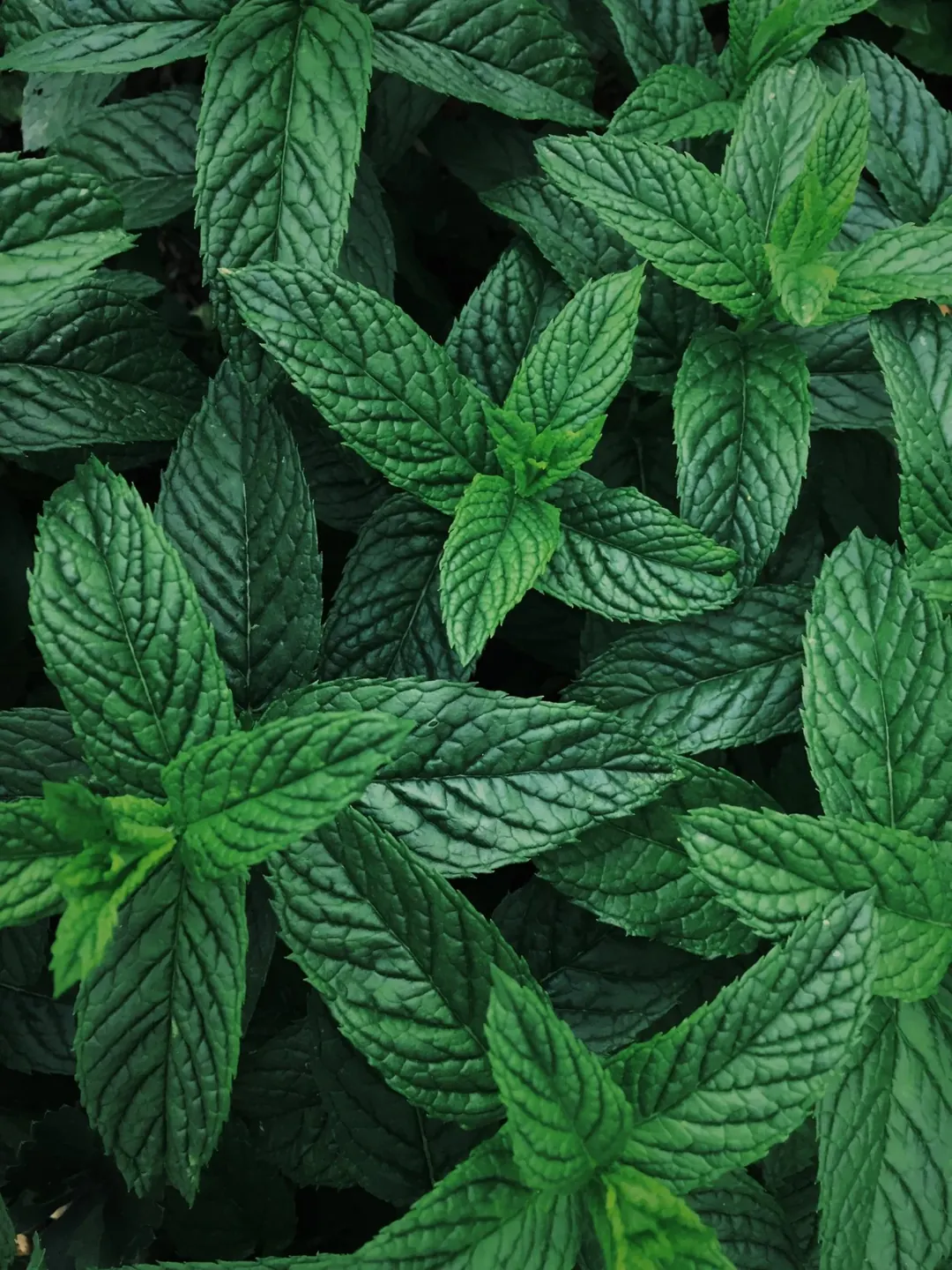
Peppermint brings a distinctive coolness to the kitchen. A few leaves can lift a pitcher of water, brighten a dessert, or give a warm cup of tea its clean, familiar aroma. Botanically, Mentha × piperita is a hybrid of water mint and spearmint.
The digestive research is about the preparation
The best-known clinical research concerns specially formulated peppermint-oil capsules for irritable bowel syndrome. Some studies suggest short-term relief of abdominal discomfort, but results are mixed. A well-designed trial published in 2020 did not find a significant benefit on its primary response measures, although some secondary symptoms improved.
That is different from evidence for peppermint tea. A cup may feel pleasant after a meal, but it cannot be assumed to deliver the same effects as an enteric-coated capsule. Nor do laboratory findings about rosmarinic acid establish peppermint as a treatment for seasonal allergies.
Three easy ways to enjoy it
- Add washed mint leaves and cucumber slices to water. Refrigerate and enjoy while fresh.
- Steep a peppermint tea bag according to its label, then give yourself a few quiet minutes with the cup.
- Add a small amount of food-grade peppermint flavoring to hot chocolate, following the product's directions. Aromatherapy oil is not a culinary substitute.
Make room for the leaf
Use a few tender leaves to begin, then taste. Peppermint is assertive, and a little can be enough beside the more delicate flavor of cucumber or fruit. Bruise the leaves lightly with your fingers before adding them to a drink if you want more aroma, rather than blending in a large handful.
A fresh pitcher
Wash the cucumber and mint, slice the cucumber thinly, and add both to cool drinking water. Chill the pitcher and pour a glass when you want something refreshing. Keep it refrigerated between servings; a fresh garnish can make the glass feel considered without leaving the ingredients in warm water for hours.
A warm finish
Prepare plain hot chocolate, then add food-grade peppermint flavoring a little at a time, following its label. Taste before adding more. The mint should brighten the chocolate rather than overwhelm it. Serve in a smaller cup if you want a rich, warm finish to the meal. A peppermint tea served beside a small piece of chocolate offers a simpler version of the same pairing.
For everyday use, choose the form that suits the moment. Leaves bring freshness, a tea bag keeps preparation convenient, and a culinary extract gives a predictable flavor. The bottle of essential oil belongs to a different category and deserves its own precautions.
Keep the coolness comfortable
Peppermint can aggravate reflux or heartburn in some people. If that is you, another after-dinner ritual may be a better fit. Concentrated oil also deserves more care than a handful of leaves: do not add it casually to drinking water, swallow it from the bottle, or apply it near an infant's face.
If you enjoy peppermint in your hair routine, choose a formulated product you tolerate. Let the cooling sensation be part of the sensory experience, and avoid adding concentrated essential oil to your own shampoo.
If digestive symptoms are persistent or new, especially with blood in the stool, fever, unexplained weight loss, or severe pain, seek more care. Peppermint is a lovely plant to keep close, with a clear place in the kitchen and a more specific role in clinical research.
Put it into practice
Naturopathic foundations
Where can peppermint fit in a mealtime ritual?
Begin with regular meals, a comfortable pace, and attention to what reliably triggers symptoms. A familiar mint tea can be part of that pause if it agrees with you. Notice whether mint brings heartburn; digestive comfort is individual.
Functional tests to consider
The pattern matters: timing after meals, stool changes, medications, travel, and which foods are involved. Persistent symptoms can call for targeted tests rather than an automatic microbiome panel.
Celiac antibodies & total IgA
For persistent digestive symptoms, unexplained iron deficiency, or a relevant family history, tissue transglutaminase IgA with total IgA may help investigate celiac disease. Testing should generally happen while gluten is still being eaten.
Fecal calprotectin
A targeted stool marker when ongoing diarrhea, abdominal symptoms, or a clinical history raises a question about intestinal inflammation. It helps guide the next step; it does not identify every cause of digestive discomfort.
A mind–body practice
A cup without a second task
While a familiar, well-tolerated tea or warm drink cools, let your hands rest around the cup. Notice its warmth, then three sounds in the room. Take one sip before returning to the day. There is nothing else to accomplish.
A little more clarity
What tests can help investigate ongoing bloating or bowel changes?
Celiac screening or fecal calprotectin may be useful depending on the symptoms. Stool elastase addresses a more specific concern about digestion and absorption. Choose each test for a question; a commercial microbiome score alone does not explain every digestive symptom.
For education and reflection. Individual needs vary. For persistent symptoms or personal guidance, seek additional care from a qualified clinician or appropriate specialist.
References
- NCCIH: Peppermint Oil (n.d.) · NIH evidence and safety summary; accessed October 2026
- Efficacy and Safety of Peppermint Oil in a Randomized, Double-Blind Trial of Patients With IBS (2020) · Randomized placebo-controlled human trial
- National Capital Poison Center: Essential Oils (n.d.) · Poison prevention guidance; accessed October 2026