An evening bath has long been a favorite Medicine Wild ritual. The water, the pause, the small act of putting the day down: these are pleasures worth keeping. Flowers can make the experience feel especially considered, without needing to turn the tub into a treatment.
Choose a quiet combination
Two lovely pairings are calendula with lavender, and rose with chamomile. Use a small amount of clean, correctly identified, pesticide-free dried botanicals from a reputable supplier. Start modestly rather than adding several cups on the first try; a strong fragrance or more plant material is not necessarily more soothing.
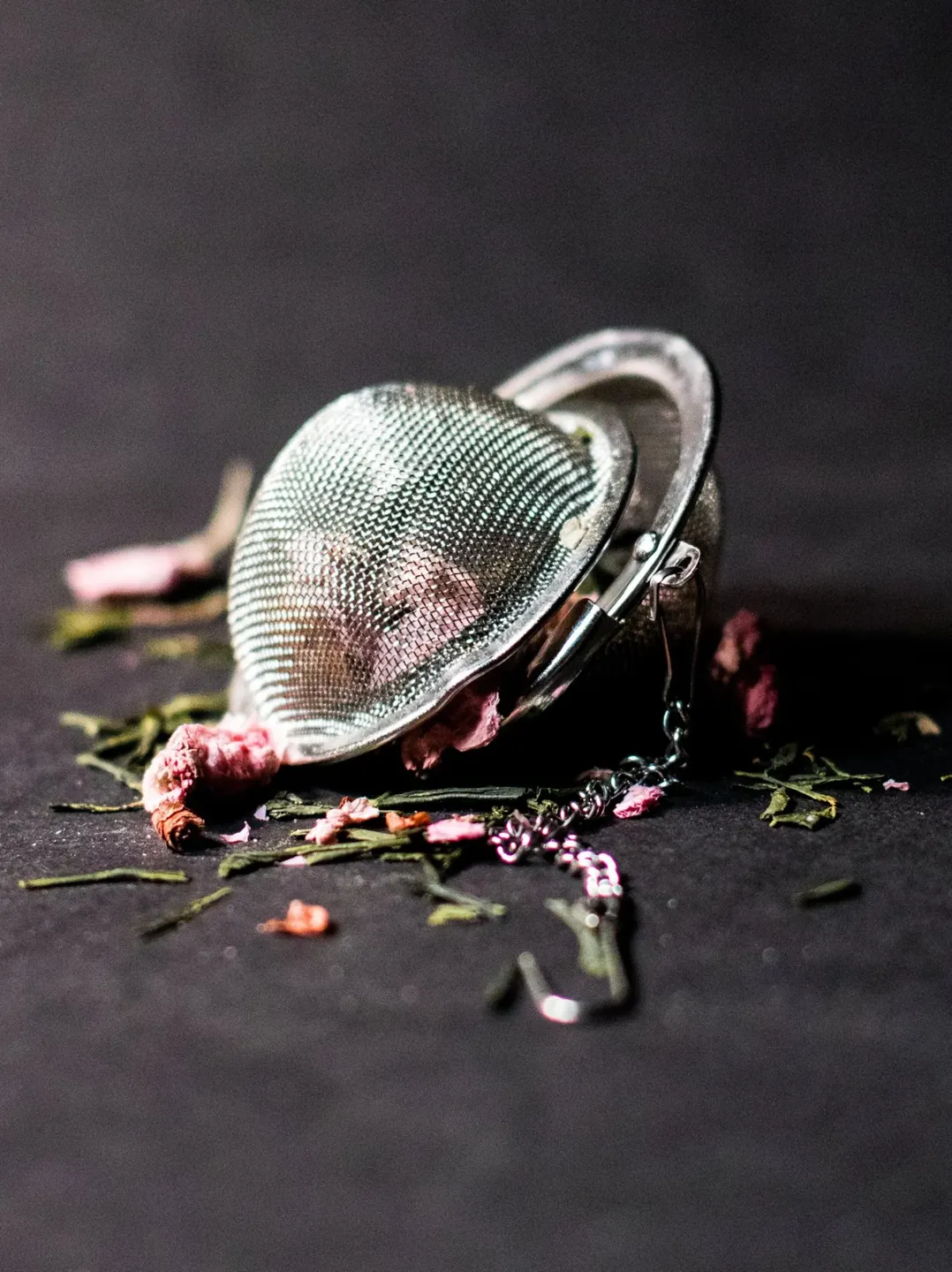
Place the flowers in a tightly closed muslin bag so they can infuse without filling the drain. Let the bag sit briefly in comfortably warm water, then check the temperature and your skin’s response. A plain-water bath is equally worthwhile.
Keep it comfortable
A short soak may be enough to feel settled. Stand up slowly afterward, pat the skin dry, and apply a familiar moisturizer if needed. There is no need to keep sweating under blankets or to make the water hotter to intensify the effect.
Flower baths have not been shown to detoxify tissues, boost immunity, or rejuvenate cells. Lavender’s scent may be pleasant to you; that personal response is different from a proven medicinal effect of this recipe.
Set up the bath you will want to repeat
Have a towel, dry clothes, and a place for the flower bag ready before the water is drawn. Keep the floor clear and use a stable handhold or assistance if entering and leaving the bath is difficult. The practical details are what allow the rest to feel unhurried.
Calendula and lavender
The orange-gold flowers and lavender’s familiar fragrance make an appealing pairing. Choose a small amount to begin with, and remember that the scent does not need to fill the whole room. The muslin bag keeps the visual ritual manageable and makes cleanup easier.
Rose and chamomile
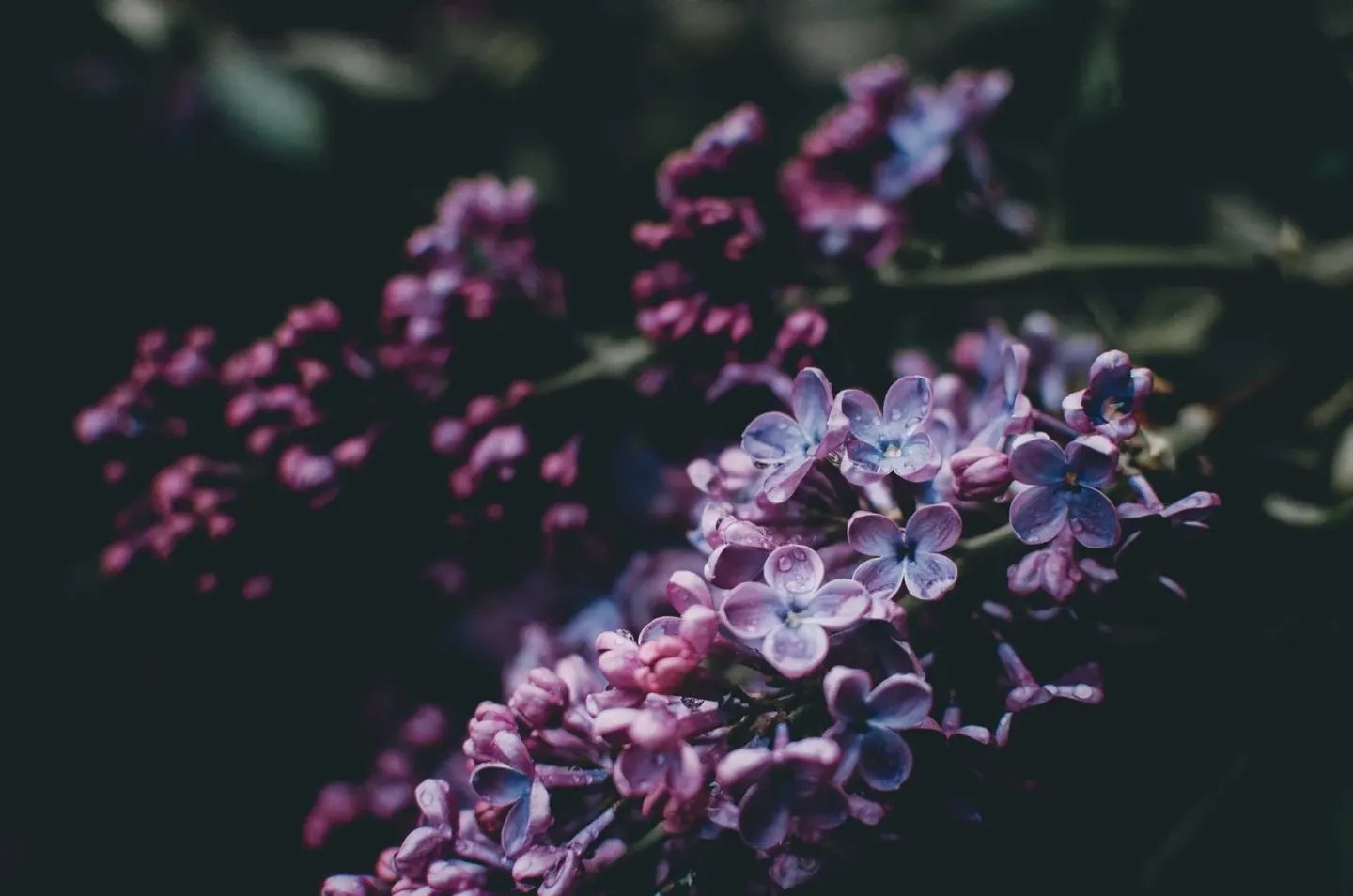
This combination has a softer, garden-like mood. Use botanicals sold for an appropriate intended use rather than flowers from an arrangement treated for display. If either plant is unfamiliar to your skin, a plain bath may be the more comfortable choice.
You can also enjoy the flowers beside the bath instead of in it. A small vase creates much of the atmosphere and avoids introducing another ingredient to the skin. A few minutes in warm water, followed by a slow transition into the evening, can be enough. Let the ritual end while it still feels pleasant rather than extending it to meet a number on a timer.
Be selective with your skin
Chamomile and calendula can cause reactions, particularly in people sensitive to related plants. Avoid botanicals on broken or irritated skin, skip ingredients you are allergic to, and stop if itching or redness develops. Essential oils do not mix evenly into water and can leave concentrated droplets on the skin, so leave them out of this simple version.
Pregnancy, fainting, cardiovascular conditions, and reduced temperature sensation call for particular care with heat. Let the bath be comfortably warm, not an endurance exercise. The most useful benefit may be the boundary it creates between a busy day and a quieter night.
References & further reading
- Aromatherapy (2023) · FDA consumer safety guidance
- Fragrances in Cosmetics (2022) · FDA consumer safety guidance
For education and reflection. Individual needs vary. For persistent symptoms or personal guidance, seek additional care from a qualified clinician or appropriate specialist.